Introduction / Hook
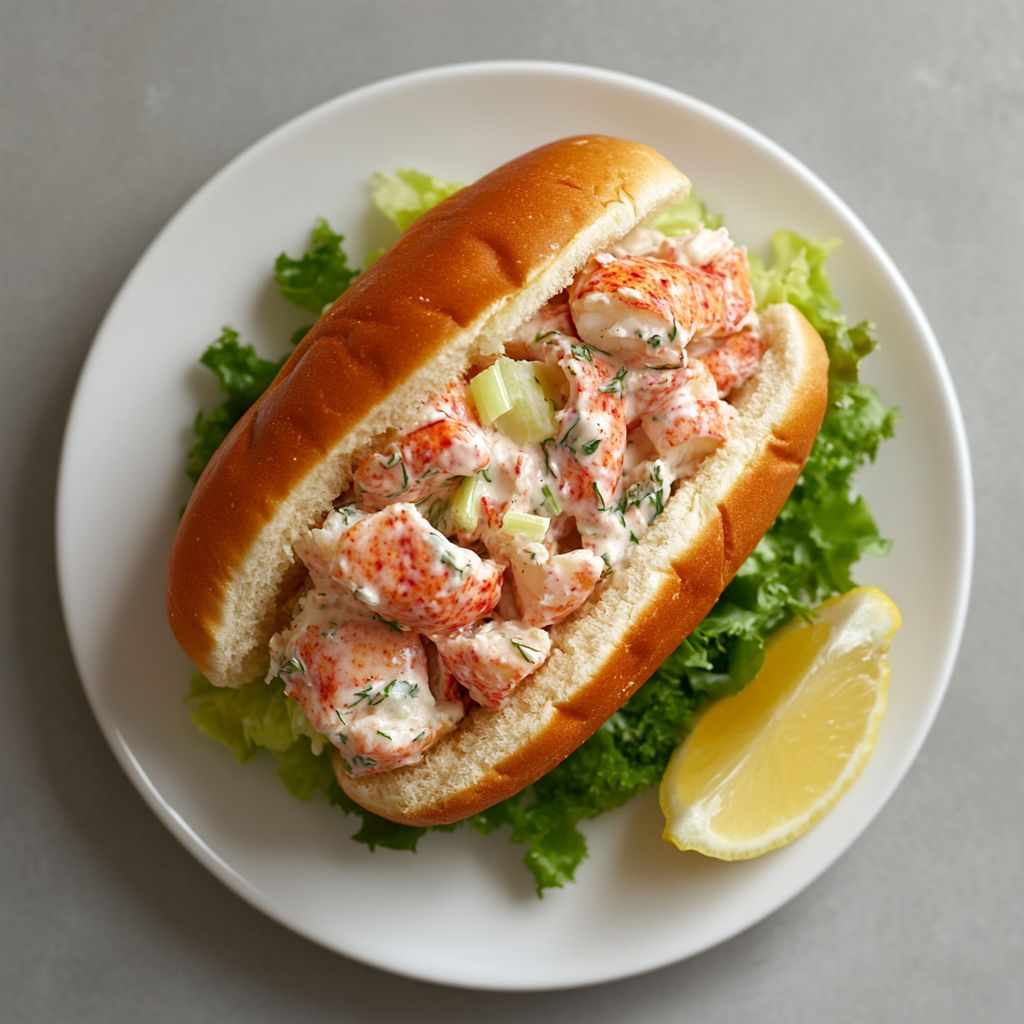
Close your eyes and imagine the scent of the sea carried on a gentle breeze, the soft crackle of a warm buttered bun meeting a treasure of sweet, succulent lobster meat, and a bright whisper of summer lemon kissing every bite. A lobster roll is more than a sandwich; it’s a coastal ritual, a celebration of peak-season ingredients, and a reminder that simple things, when treated with care, become transportive. In a single mouthful, you travel from a sunlit shoreline to a bustling seaside shack, from childhood picnics to weekend indulgence, all without leaving your kitchen. This dish is the culinary equivalent of a postcard—memories folded into a crusty bun, the ocean’s generosity translated into a creamy, citrus-touched richness, and a playful crunch that keeps you coming back for more.
What makes a lobster roll sing isn’t just the lobster itself, but the way its flavors are balanced and the textures thoughtfully layered. It’s about how the meat remains tender and glossy, how the bread achieves a delicate kiss of golden butter without surrendering its own character, and how a zing of citrus or a hint of mild sweetness from fine herbs can elevate the experience. It’s about restraint and respect: knowing when to let the lobster shine, when to add a whisper of mayo or a pat of butter, and when to tuck the whole thing into a sun-warmed bun that gives just enough give with every bite. This description preps you for a dish that feels like a vacation in a single, satisfying package—luxurious yet approachable, refined yet comforting, and always deeply satisfying in the way only a well-made lobster roll can be.
As you read on, you’ll discover not just how to savor this classic but how to make it yours: the way you choose the bun, the balance of creaminess and brightness, the choice between a cold mayo-based relish or a warmly buttered lobster experience, and the little touches that transform a good roll into an unforgettable one. Whether you’re cooking for a sunny weeknight treat, hosting friends on a warm weekend afternoon, or recreating a coastal escape in your own kitchen, this lobster roll guide is your passport to a dish that feels both timeless and wonderfully current. The goal is joy—uncomplicated, generous, and perfectly tailored to your preferences. So, lean in, take a breath of sea-salted air, and get ready to fall in love with a sandwich that has captivated diners for generations.
The Story Behind the Dish
The lobster roll grew from the working docks and picnic tables of New England, a region where seafood has long been the heartbeat of coastal life. Fishermen and coastal families would gather after a long day at sea or a long morning mending nets, turning simple, sturdy ingredients into something celebratory. The earliest versions were humble—crusty bread split open with a generous scoop of finely chopped lobster, perhaps a touch of mayonnaise or a light dressing, and a pinch of salt to make the flavors sing. As communities along the Maine and Atlantic coasts embraced the idea, regional twists emerged, each purist defending their method—whether to serve the lobster cold with a mayo-based coat or warm with a butter-drenched glaze. What binds these origins is a shared philosophy: honor the lobster’s sweetness, treat the bread as a canvas, and keep the preparation quick enough to preserve the meat’s delicate texture and aroma.
Over the decades, the lobster roll became a symbol of coastal summers and a testament to simple craftsmanship. Beach shacks, roadside stands, and family-owned markets would compete not with extravagant ingredients but with the perfect balance—bread toasted to a gentle bronze, lobster meat that remains tender rather than stringy, and a dressing that lifts without overpowering. In many ways, the roll mirrors the region’s character: unpretentious, generous, and a little bit indulgent without tipping into opulence. The term itself has inspired countless variations across the country and beyond, each claimant offering their own memory, their own coastal legend, and their own method for achieving that coveted bite—the moment when crust gives way to creamy, briny lobster and a whisper of citrus or butter lingers on the palate.
Today, the lobster roll sits at the crossroads of tradition and modern cooking. You’ll find purists who insist on specific bun types, precise lobster cuts, and exacted temperatures; you’ll find explorers who push the boundaries with regional herbs, spiced riffs, or gluten-free adaptations. The beauty of this dish is its flexibility, its ability to be both a precise homage to a cherished regional method and a canvas for personal taste. The goal remains the same: to celebrate the lobster’s natural sweetness and to present it in a way that feels right for you, whether you’re at a sunlit picnic, a bustling coastal market, or a quiet dinner at home that somehow tastes like a sea breeze made edible.
As you read the rest of this guide, you’ll encounter stories of seaside towns, small-town ingenuity, and the timeless joy of sharing something delicious with people you love. The lobster roll isn’t a complicated recipe; it’s a ritual of timing, texture, and balance. It asks you to pay attention to the lobster meat’s freshness, to lightly toast the bread to coax out a touch of buttered fragrance, and to choose a dressing or a butter finish that complements rather than competes with the lobster’s natural sweetness. When these elements align, every bite feels bright, creamy, and uplifting—a reminder that some of life’s best pleasures are born from simple, well-chosen ingredients treated with care and respect.
Why You’ll Love This Recipe
- Quick to assemble and forgiving enough for weeknights or casual gatherings, yet refined enough to feel special for guests.
- Celebrates the luxurious sweetness of lobster with a light, balanced dressing or a butter-kissed finish that preserves its delicate texture.
- Versatile for different tastes and dietary needs: cold mayo-based versions, warm butter-enhanced styles, or dairy-free adaptations with plant-based spreads.
- Perfectly portable for picnics, beach days, or elegant, minimal-effort dinners that still feel celebratory.
- Textures play a key role: the soft, pillowy interior of the lobster meat, the gentle crunch of a crisped bun, and the silky creaminess of a dressing that glides across the palate.
- Low-maintenance elegance: minimal equipment, quick assembly, and a dish that looks as good as it tastes with little fuss.
- Heritage and storytelling baked into every bite—each roll invites you to partake in a coastal tradition that has delighted families for generations.
- Great as a standalone hero or as part of a bigger seafood spread, pairing beautifully with light sides and bright beverages.
Flavor Profile & Texture
The lobster in a roll delivers a multi-layered flavor experience. The lobster meat—bright, slightly sweet, and richly oceanic—offers a natural brininess that is immediately inviting. When combined with a dressing or a butter finish, you get a creamy balance that coats the tongue without weighing down the meat. A hint of citrus—usually lemon—lifts the dish, cutting through the richness and sharpening the seafood’s inherent sweetness. If mayo is used, it should be light and tangy, providing a silkiness that remains distinct from the lobster itself, allowing the meat’s texture to shine rather than obscuring it. In butter-forward versions, the lobster takes on a luscious indulgence—an almost caramelized edge from a quick, gentle heat that enhances the butter’s sweetness and adds a delicate new dimension to the overall flavor.
The texture is the star here. The lobster meat should stay tender and juicy, not dry or crumbly, with an almost melt-in-the-mouth quality in every bite. The bun is more than a vessel; it’s a crucial component that frames the experience. A well-toasted, lightly crusted bun offers just enough bite and warmth to provide a satisfying contrast to the soft lobster filling, while its interior remains plush enough to cradle the meat without shredding. When executed with care, the roll offers a comforting, cohesive bite: you taste the lobster’s sweetness, the gentle salt from the sea, the warmth of the bread, and the zing of citrus or the smoothness of a carefully chosen dressing, all in a single, harmonious mouthful.
Texture and balance also come from proportion. Too much dressing or too much butter can overwhelm the lobster, dulling its bright, delicate flavors. Too little can make the roll feel dry and incomplete. The ideal roll respects the lobster’s integrity while using the bun and dressing to create a unified, luscious mouthfeel. The end result is bright, creamy, and satisfying—every component working in quiet concert to deliver a classically elegant yet casually approachable seafood sandwich.
Occasions & Pairings
A lobster roll is inherently versatile, making it a fit for a range of occasions. It shines on sun-drenched summer days at the beach or in the garden, but it’s also a wonderful choice for a relaxed weekend supper or a celebratory lunch when you want to feel special without overcomplicating the menu. Its elegance makes it appropriate for casual dinner parties, where guests can customize their own bites with different toppings or styles, turning a simple platter into an interactive experience.
Pairings elevate the whole experience. Light, crisp white wines such as Pinot Grigio, Sauvignon Blanc, or a chilled sparkling wine can brighten the dish without overpowering the delicate lobster. If you prefer beer, a pale ale or a light lager with a clean finish complements the sweetness of the meat and the butter or dressing’s richness. For non-alcoholic options, citrus-infused sparkling water or a homemade lemonade with a touch of sea salt can echo the dish’s brightness and coastline vibes.
Side dishes that harmonize well with a lobster roll include corn on the cob, a simple green salad with a lemon vinaigrette, crisp potato chips, or a light pickled vegetable slaw to add a refreshing snap. Desserts that finish the meal with a clean, bright note—like a lemon tart or a barely sweet fruit pavlova—keep the meal from feeling heavy after the richness of the roll. The key is to maintain balance: keep sides light and refreshing to let the lobster roll remain the central star of the plate.
Tips, Variations & Substitutions
Classic approaches
If you’re aiming for a traditional Maine-style experience, you may choose a lightly seasoned lobster dressed minimally with mayo or a touch of lemon juice, allowing the lobster’s natural sweetness to lead. A simple butter-toasted bun can offer a warm, glossy finish that highlights the meat’s texture. The bread should be soft but resilient enough to hold up to the filling without collapsing, and the lobster should be cut into bite-sized pieces that are easy to eat in a single mouthful. The goal is to create a balance where the lobster remains the dominant flavor, with the dressing and bun providing complementary notes rather than competing flavors.
Dietary substitutions
For dairy-free or vegan adaptations, you can use a plant-based mayo mixed with a squeeze of lemon and a dash of salt, or opt for a butter substitute to achieve a similar lacquer on the bun. For gluten-free versions, select a sturdy gluten-free bun or serve the lobster on a bed of crisp lettuce cups with the same dressing for a lighter, low-carb take. If you’re avoiding mayo entirely, a bright olive oil–based dressing with a hint of Dijon and capers can offer a tangy, savory counterpoint that still respects the lobster’s sweetness.
Regional twists
Regional twists abound. Some cooks prefer a Connecticut-style approach: a hot lobster filling drenched in browned butter for a deeply glossy finish with a toasty bun. Others lean toward a bright, colander-friendly mayo dressing with chopped celery for crunch and a sprinkle of chives for aroma. Fusion versions may incorporate a hint of tarragon, dill, or tarragon-lemon mayonnaise for an herbaceous lift. The beauty here is that the lobster roll invites personalization—you can craft the experience around your favorite flavor notes while honoring the dish’s coastal identity.
Storage & Make-Ahead Ideas
The best lobster rolls shine when the lobster meat remains plump and fresh. If you’re prepping in advance, store cooked lobster meat chilled in an airtight container for up to a day. Dressings or mayo mixtures are best prepared close to serving to maintain texture and brightness. To assemble ahead, keep the lightly toasted buns separate from the lobster mixture and add just before serving to prevent sogginess. If you style your rolls for a buffet or party, consider offering a few topping options—herbed mayo, lemon butter, crisp pickle slices, or scallion greens—so guests can customize their bites without compromising the integrity of the main attraction.
For a make-ahead approach with minimal compromise, you can toast and lightly butter the buns in advance and store them in an airtight container. When it’s time to serve, briefly rewarm the buns just until they release a gentle butter aroma, then fill with lobster that’s been lightly dressed, ensuring the meat remains moist and flavorful. This strategy keeps the dish quick to assemble while preserving the ideal textures and the lobster’s delicate sweetness.
Fun Facts & Trivia (Optional)
- The lobster’s bright red color only appears after it’s cooked; raw lobster meat is typically bluish-green to translucent. The heat brings out a natural pigment called astaxanthin, which turns the shell red.
- There are several claimed “origins” of the lobster roll, with stories spanning coastal Maine to Connecticut and beyond. The common thread is a celebration of lobster with simple, high-quality accompaniments that let the seafood shine.
- In some regions, the butter-forward version of the roll is preferred, while others insist on a mayo-based filling. Both approaches honor the lobster and the sea, but each offers a distinct sensory experience.
- Split-top buns, often lightly toasted with butter, have become a de facto standard for many lobster rolls, as they provide the perfect balance of tenderness inside and a bit of crispness on the outside.
- Serving temperature matters: a cold, mayo-based filling delivers a refreshing bite, while a warm, butter-drenched filling creates a decadent, almost comforting sensation. Many cooks enjoy both styles across different meals and occasions.
Closing Thoughts
A lobster roll is a testament to the power of restraint and the beauty of high-quality ingredients treated with care. It invites you to pause, savor, and appreciate the way a few simple components—lobster, bread, and a supporting dressing or butter finish—can come together to create something exceptionally satisfying. Whether enjoyed as a quick weeknight treat or a centerpiece of a long, sunlit weekend lunch, the lobster roll offers a sensory journey as uplifting as a sea breeze. Use this guide as your compass to craft a roll that feels like a personal signature—one that reflects your preferences, honors traditional methods, and still feels as special as a coastal afternoon by the water.
Ingredients
Lobster Roll Filling
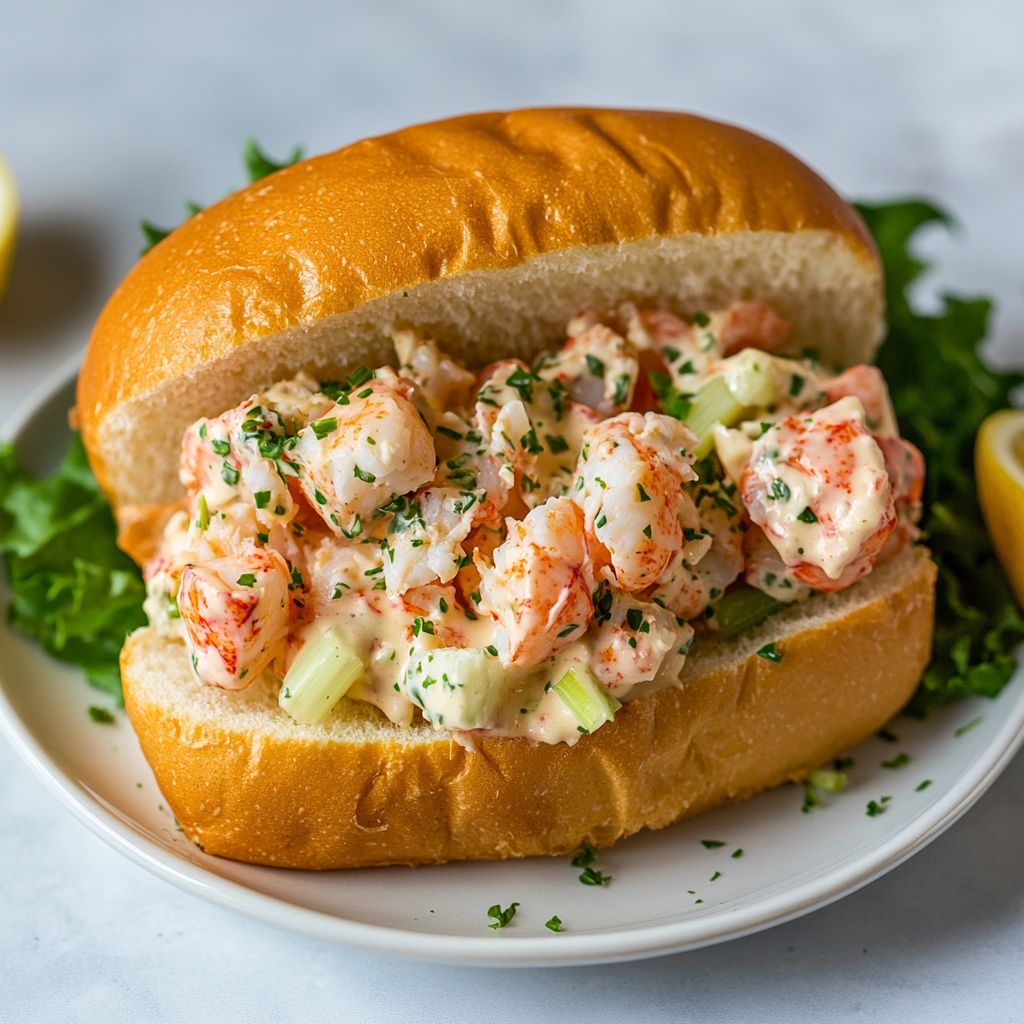
- 1 1/2 pounds cooked lobster meat, claw and knuckle meat, roughly chopped into bite-sized pieces
→ The star filling of the dish. Use fully cooked lobster meat (preferably claw and knuckle meat for the best texture and sweetness). Fold gently to keep larger chunks intact so each bite offers a pleasing chew rather than a mushy filling. If you buy pre-shucked meat, pat it dry to remove excess moisture before mixing with the dressing to prevent a watery result. - 1/2 cup mayonnaise
→ Provides creaminess and acts as the binder that holds the filling together. Choose a high-quality, full-fat mayonnaise for best flavor and emulsification; if you want a lighter option, substitute part with Greek yogurt but keep enough mayo to maintain a smooth, cohesive texture. Chill the dressed lobster briefly before serving to help set the filling. - 2 tablespoons fresh lemon juice
→ Adds bright acidity to balance richness and bring out the lobster’s sweetness. Use freshly squeezed juice from a ripe lemon. Start with 2 tablespoons and adjust to taste; avoid overdoing it, which can skew the delicate seafood flavors. A touch of lemon zest can be added for extra aroma if desired. - 1 teaspoon Dijon mustard (optional)
→ Introduces a subtle tang and helps emulsify the dressing, giving it a bit of bite without overpowering the lobster. If you don’t have Dijon, a small amount of whole-grain mustard works too. Use sparingly to prevent masking the sea flavors. - 2 tablespoons finely diced celery
→ Provides crisp texture and a mild vegetal note that contrasts with the creamy filling. Dice celery very finely so it distributes evenly and doesn’t poke through the soft lobster; for extra crunch, you can reserve a tablespoon to fold in right before serving. - 1 tablespoon finely chopped chives or green onions
→ Adds color and a light onion lift without becoming overwhelming. Snip the herbs finely so they distribute evenly and avoid large, stringy pieces; they also contribute a fresh aroma that pairs well with lemon. - 1/2 teaspoon kosher salt (adjust to taste)
→ Balances the richness and enhances the lobster’s sweetness. Start with a conservative amount and taste the filling after the dressing has been incorporated; remember mayo can contribute salt, so add gradually and in increments. - 1/4 teaspoon freshly ground black pepper
→ Provides a subtle peppery backbone that complements seafood without overpowering it. Use freshly ground pepper for brighter aroma and flavor; grind over the bowl just before mixing for the most vibrant taste. - 1/4 teaspoon Old Bay seasoning or paprika (optional)
→ A classic seafood spice that adds warm, maritime aromatics. Use sparingly as a finishing touch; you can sprinkle a tiny pinch after tasting to avoid masking the lobster’s natural sweetness.
Lobster Roll Bun Prep
- 4 New England-style split-top hot dog buns
→ The traditional vessel for a lobster roll, offering a sturdy, airy crumb that holds generous filling without collapsing. Split-top buns are ideal because they stay open when loaded and toast beautifully on the inside. If you can’t find them, use any soft, elongated bun but adjust technique accordingly to avoid spillage. - 2 tablespoons unsalted butter, melted
→ For toasting the buns to a golden-brown, buttery crust that adds flavor and helps prevent sogginess from the filling. Brush the cut sides evenly and toast until just browned; watch closely so the butter doesn’t burn and the buns stay light and crisp.
Optional Add-ins
- 1/2 teaspoon prepared horseradish (optional)
→ Adds a sharp, spicy kick that enhances the lobster’s sweetness. Start with a small amount and taste, as horseradish can quickly dominate the delicate flavors; mix into the dressing or fold in at the end. - 1 tablespoon chopped fresh dill or tarragon (optional)
→ Introduces herbal brightness and a hint of anise or summer freshness. Dill is traditional with seafood; use sparingly to avoid clashing with lemon and lobster sweetness. Tarragon offers a similar brightness with a slightly different herbal note.
Instructions
- Prepare the lobster meat by inspecting and chopping it to bite-sized pieces: Confirm you have about 1 1/2 pounds of cooked claw and knuckle lobster meat, then roughly chop into uniform chunks and pat dry any surface moisture if using pre-shucked meat to prevent a watery dressing.
→ Dry, evenly sized pieces guarantee consistent texture and prevent the filling from becoming soggy as the dressing coats each bite. - Make the dressing base by whisking the mayo, lemon juice, mustard, and seasonings: In a large mixing bowl, combine 1/2 cup mayonnaise, 2 tablespoons fresh lemon juice, 1 teaspoon Dijon mustard (optional), 1/4 teaspoon kosher salt, and 1/4 teaspoon freshly ground black pepper; whisk until smooth and emulsified.
→ Emulsification creates a creamy, cohesive dressing that clings to the lobster without separating, ensuring a glossy, bound filling. - Incorporate crisp texture by adding celery and chives to the dressing: Finely dice 2 tablespoons celery to about 1/8 inch and snip 1 tablespoon chives or green onions; fold them into the dressing until evenly distributed.
→ Fine dice distribute crunch and aromatics throughout the filling, so every bite has a balanced contrast to the soft lobster. - Gently fold the lobster into the dressing to coat without breaking chunks: Transfer the prepared lobster into the bowl and use a silicone spatula to fold with a lifting motion; continue until the lobster pieces are coated but still hold their shape.
→ Gentle folding preserves the lobster’s texture and prevents turning the filling into mush, yielding distinct, chewy chunks in every bite. - Optionally integrate horseradish or extra dill for brightness and heat: If using horseradish, whisk in 1/2 teaspoon into the dressing or fold in at the end; if using dill or Tarragon, fold in 1 tablespoon chopped herb; then taste and adjust seasoning.
→ A small amount of horseradish or fresh herbs enhances aroma and accents the lobster without overpowering its sweetness. - Chill the dressed lobster to set the filling and meld flavors: Cover the bowl with plastic wrap and refrigerate for 20–30 minutes; this helps the dressing emulsify further and makes the filling easier to portion.
→ Chilling firm-molds the texture and ensures the filling remains cohesive when stuffed into buns. - Prepare the buns for assembly by splitting and readying four New England-style split-top buns: Separate the buns and place them cut-side up on a clean surface, ensuring they are dry and ready for toasting.
→ Split-top buns stay open when loaded and toast evenly, preventing the filling from spilling out and giving a sturdy cradle for the lobster. - Toast the buns in butter to achieve golden color and a crisp, flavorful crust: Melt 2 tablespoons unsalted butter; Brush the cut sides of the buns evenly with butter, then toast them cut-side down in a hot skillet over medium heat until they are golden and lightly crisp, about 2–3 minutes.
→ The buttered, toasted surfaces add flavor, create a barrier against moisture, and provide a sturdy base that supports a generous filling. - Fill the toasted buns with the dressed lobster, distributing evenly and gently: Use a spoon or small scoop to portion the filling into each bun, keeping the chunks visible and not overpacking to avoid squashing the texture; leave enough room at the top for a neat presentation.
→ Even distribution prevents one bite from being overstuffed or underfilled, preserving the sandwich’s balance and mouthfeel. - Finish and serve immediately with lemon wedges for extra brightness: Arrange the filled lobster rolls on plates with lemon wedges and serve right away to maintain the contrast between the creamy filling and the crisp, warm bun.
→ Serving promptly preserves the ideal texture—the crisp bun, creamy dressing, and succulent lobster—before the mayo softens the crust.
Notes
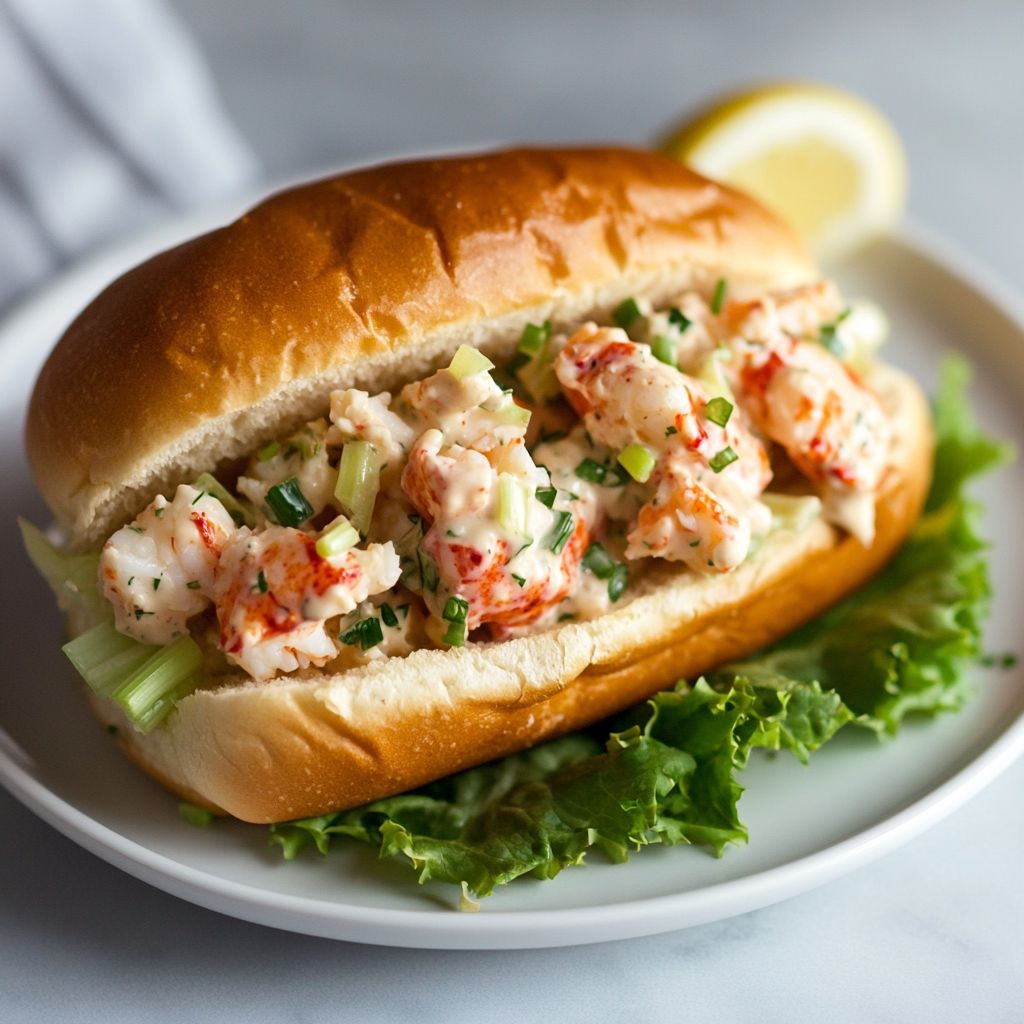
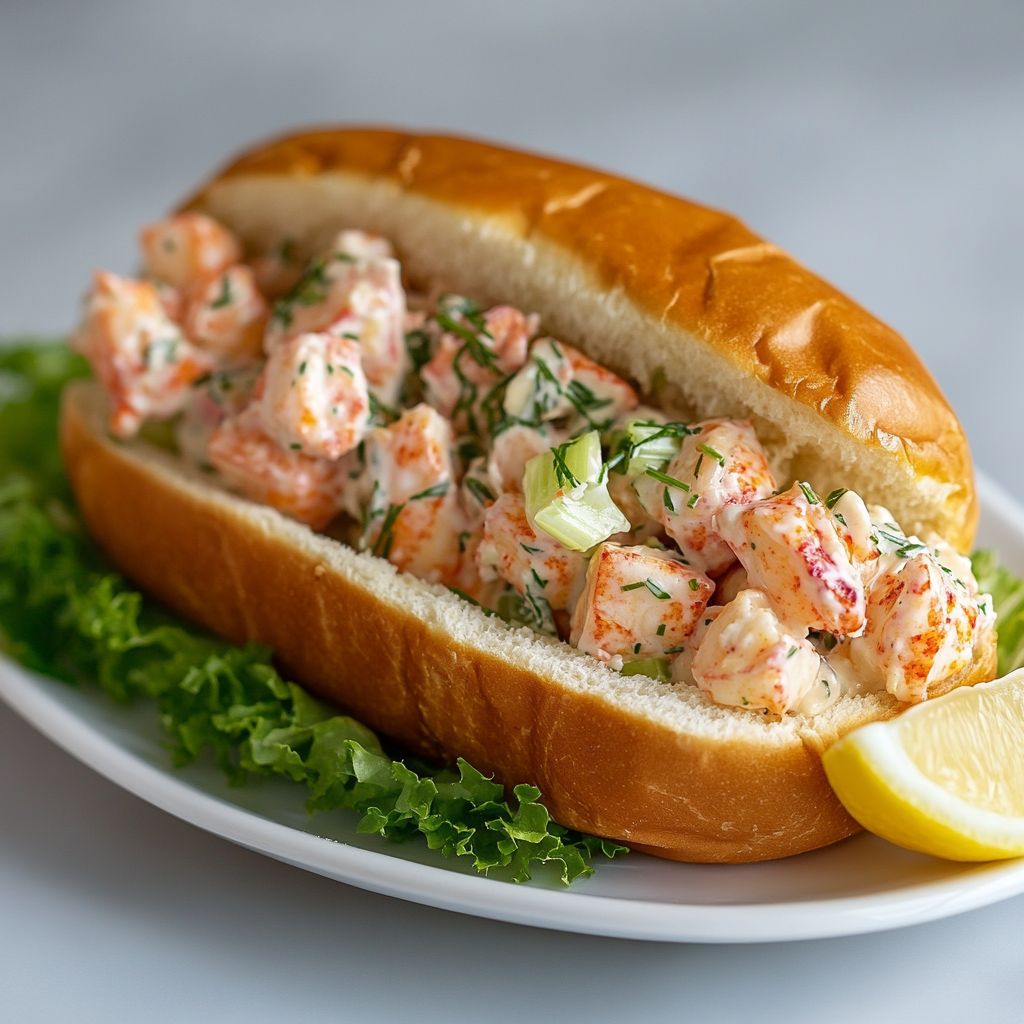
These lobster rolls are a classic New England sandwich featuring tender, fully cooked lobster dressed in a bright, creamy mayo dressing and tucked into lightly toasted split-top buns. For best texture, use claw and knuckle meat and pat dry any pre-shucked meat to prevent a watery filling; fold gently to keep larger chunks intact so each bite offers chew. Chill the dressed lobster briefly before serving to help set the filling. Choose a high-quality, full-fat mayonnaise; if you want a lighter option, substitute part with Greek yogurt but keep enough mayo to maintain a smooth binding. Fresh lemon juice brightens the richness—start with 2 tablespoons and adjust to taste; a touch of lemon zest can be added for extra aroma. A little Dijon mustard is optional but helps emulsify the dressing; if unavailable, a small amount of whole-grain mustard works too. Add 2 tablespoons finely diced celery for crisp texture and 1 tablespoon finely chopped chives or green onions for color and a light onion lift. Season with 1/2 teaspoon kosher salt (adjust to taste) and 1/4 teaspoon freshly ground black pepper; 1/4 teaspoon Old Bay seasoning or paprika is optional and should be used sparingly as a finishing touch so you don't mask the lobster's sweetness. For the bun, toast 4 New England-style split-top buns brushed with 2 tablespoons melted butter until golden and just crisp. If split-top buns aren't available, use a soft elongated bun and toast similarly to resist sogginess. Optional add-ins include 1/2 teaspoon prepared horseradish for a sharp kick and 1 tablespoon chopped fresh dill or tarragon for herbal brightness; add to the dressing or fold in at the end. Serve immediately with lemon wedges; leftover filling can be refrigerated briefly if needed, but best enjoyed fresh to preserve texture. For best results, assemble right before serving or chill components separately if preparing ahead, then mix and fill just before serving.
Tips
Choosing and preparing the lobster meat
- Opt for fully cooked lobster meat, focusing on claw and knuckle portions for the best texture and sweetness. Fold gently to keep larger chunks intact so each bite remains chewy and satisfying.
- If you buy pre-shucked meat, pat it very dry to remove excess moisture before mixing with the dressing to prevent a watery filling.
Dressing the filling: emulsification and balance
- Use a high-quality, full-fat mayonnaise as the base for creaminess and stable emulsification. For a lighter option, substitute part with Greek yogurt but retain enough mayo to keep a smooth, cohesive texture.
- Fresh lemon juice brightens and balances richness; start with 2 tablespoons and adjust to taste. Avoid overshooting, which can dull the lobster sweetness. Add a touch of lemon zest if you want extra aroma.
- Dijon mustard adds a subtle tang and helps emulsify the dressing. If you don’t have Dijon, a small amount of whole-grain mustard works too. Use sparingly to avoid masking delicate seafood flavor.
- Fold in the mayo dressing gently to prevent breaking the lobster meat. Chill the dressed filling briefly before serving to help set the mixture for firmer scooping.
Texture and crunch: vegetables and herbs
- Finely dice celery to provide crisp, vegetal contrast without disrupting the filling’s cohesion. You can reserve a tablespoon to fold in right before serving for extra crunch.
- Chives or green onions should be finely chopped so they distribute evenly and add a light onion lift without large, stringy pieces.
Seasoning and finishing touches
- Start with 1/2 teaspoon kosher salt and adjust to taste after the mayo is incorporated; mayo itself adds salt, so add gradually. A pinch of freshly cracked black pepper should be added just before mixing for a bright aroma.
- Old Bay or paprika can be used sparingly as a finishing note to echo classic seafood flavors. If using, sprinkle a tiny pinch after tasting to avoid overpowering the lobster.
Buns: toasting and preparation
- New England-style split-top buns are traditional for their sturdy, airy crumb that holds generous filling. If unavailable, use any soft, elongated bun but adjust technique to keep the filling contained.
- Brush cut sides with melted unsalted butter and toast until just browned. Toasting enhances flavor and helps prevent sogginess from the filling; monitor closely to avoid burning.
Optional add-ins: horseradish, dill and Tarragon
- Horseradish: a half-teaspoon can provide a sharp kick. Start with a small amount and taste, since horseradish can quickly dominate the delicate flavors. Mix into the dressing or fold in at the end for control.
- Herbs: dill or tarragon add brightness. Dill is traditional with seafood; use sparingly to avoid clashing with lemon and the lobster’s sweetness. Tarragon offers a slightly different herbal note but should still be used in small amounts.
- You can dress the lobster a bit in advance and refrigerate for up to a few hours; if you do, keep the mixture loosely covered to prevent drying. For best texture, fold in celery and herbs just before serving.
- When ready to serve, spoon the filling into the toasted buns just before eating or assemble ahead and keep the filling chilled, then fill buns at service to maintain crunch.
- Serve with lemon wedges and, if desired, classic pickle chips or coleslaw on the side for a refreshing contrast.
Troubleshooting and quick fixes
- Filling is too loose or watery: pat the lobster dry again and add a bit more mayo or a touch of cream cheese to aid binding. Chill the mixture briefly to help set before filling the buns.
- Filling tastes flat: re-balance with a small squeeze of lemon or a pinch more salt, then fold in a touch more celery or herbs for brightness.
- Buns become soggy before serving: toast longer and consider lining the bun with a crisp lettuce leaf to create a barrier between the filling and the bread.
FAQ
What is a lobster roll?
A lobster roll is a sandwich built with lobster meat tucked into a split-top bun. It can be served warm with butter (Maine-style) or cold with mayonnaise (Connecticut-style).
What lobster meat should I use for the best lobster roll?
Use fresh, preferably claw and knuckle meat for texture. Aim for large chunks and avoid predominantly tail meat. If using pre-cooked lobster, gently dice it to keep a juicy texture without becoming mushy.
What bread is best for a lobster roll?
Split-top hot dog buns or New England-style rolls work best. Lightly butter and toast them to add flavor and prevent sogginess. Brioche buns are a tasty alternative for a richer bite.
What’s the difference between a Maine hot lobster roll and a Connecticut cold lobster roll?
A Maine hot lobster roll tosses lightly cooked lobster in melted butter and serves the meat warm. A Connecticut cold lobster roll uses mayonnaise (or a light mayo-dressing) and is served cold for a creamy salad-style filling.
How should I season and dress the lobster meat?
Keep it simple: lightly season with salt and pepper, then choose your dressing. For cold rolls, mix lobster with a small amount of mayonnaise, a squeeze of lemon juice, and optional chopped chives or celery. For hot rolls, toss with melted butter and a touch of lemon.
How do I prevent the bun from getting soggy?
Toast the split-top bun in butter until lightly golden, then fill it just before serving. If making ahead, keep the lobster filling separate and assemble at serving time. A light drizzle of lemon juice can help balance moisture without making it soggy.
How do I cook lobster for the roll?
If using live lobster, boil or steam until the meat is opaque and just cooked through, then cool, remove meat from the shells, and chop. For convenience, you can use pre-cooked lobster meat. Avoid overcooking to keep the meat tender.
Can I make lobster rolls ahead or store leftovers?
Best enjoyed fresh. Store cooked lobster meat in the fridge for up to 2 days. Do not assemble the sandwich ahead of time to prevent sogginess. Reheat or refresh the lobster meat gently if needed, then assemble with toasted buns when ready to serve.
What are some common variations and substitutions?
Variations include: cold mayo-based filling with celery and chives; hot buttered lobster with a touch of lemon; swapping mayo for yogurt for a lighter version; using gluten-free buns; adding herbs like tarragon or dill; and incorporating avocado or paprika for extra flavor.