Introduction / Hook
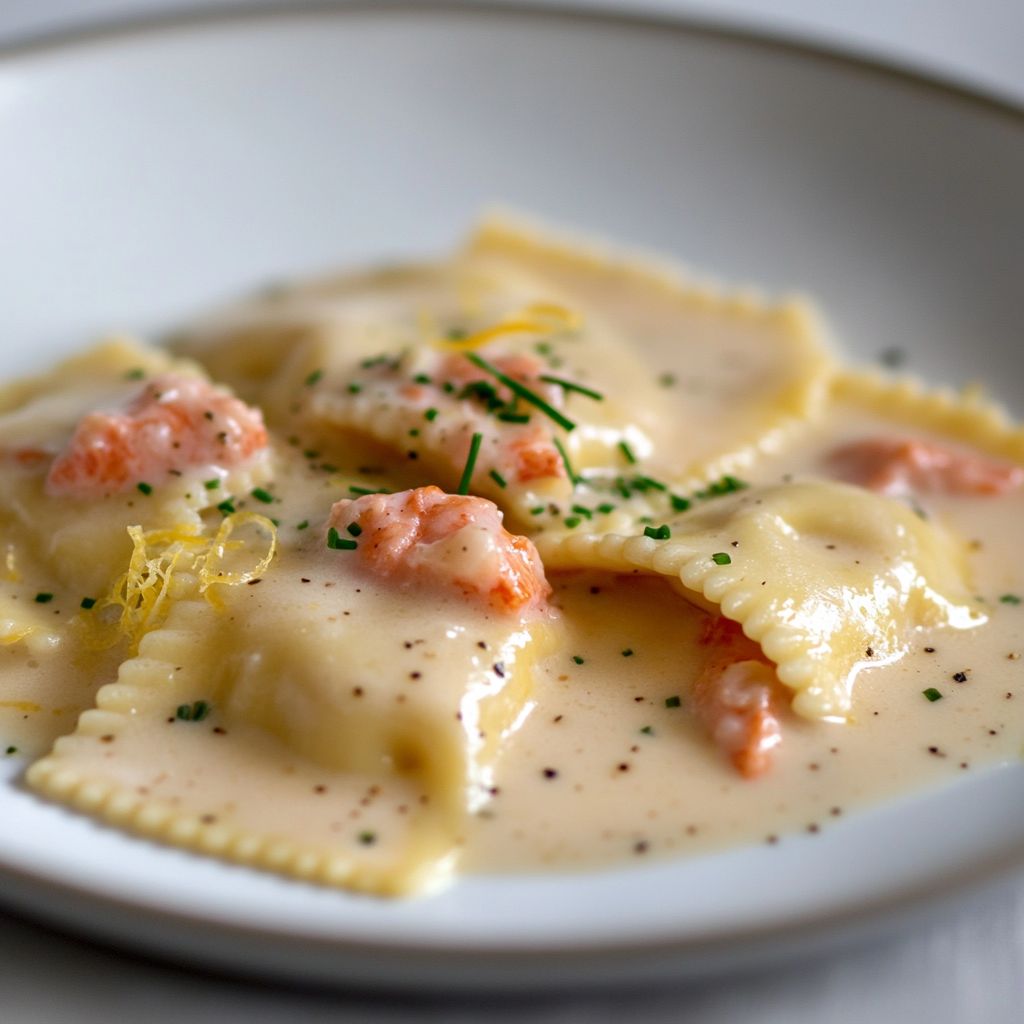
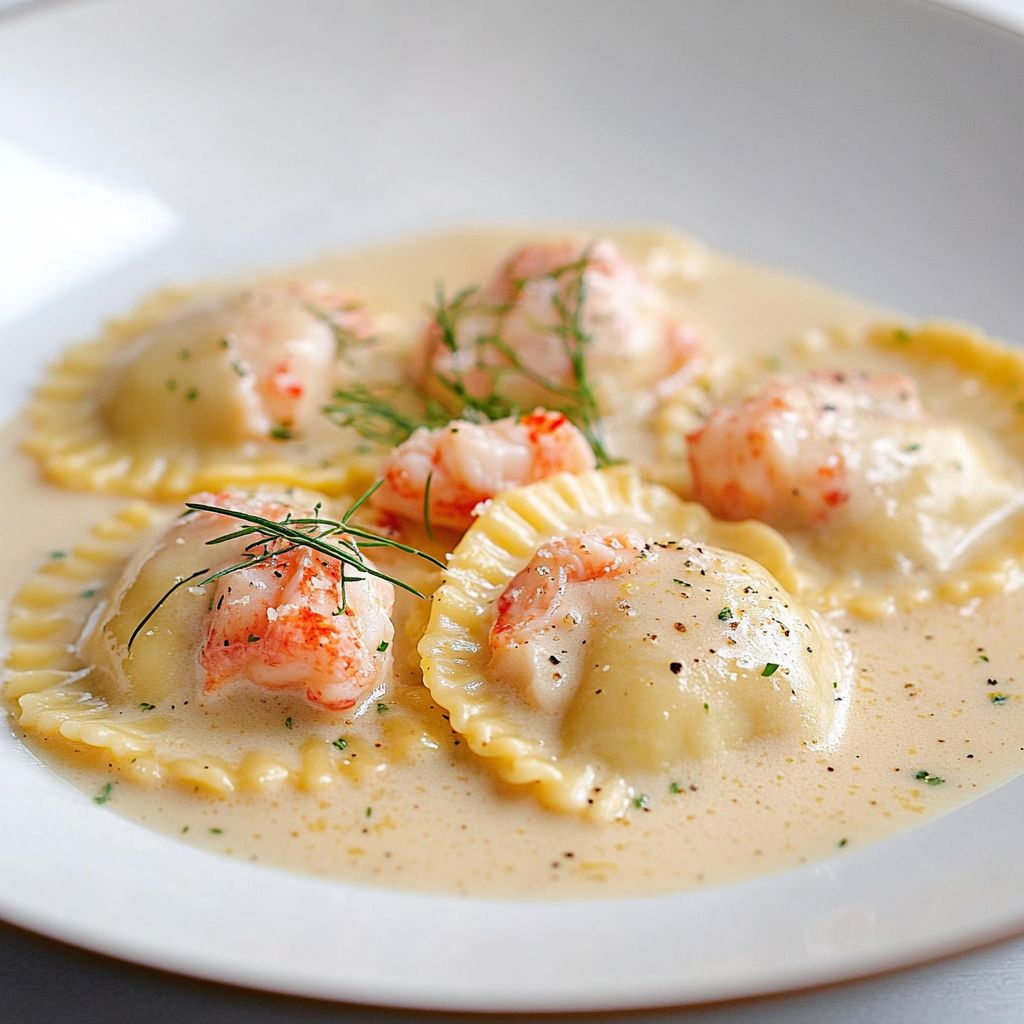
Imagine a plate that feels like a celebration, where each bite is a velvet ribbon of richness woven with the ocean’s kiss. Lobster ravioli sauce is more than a condiment; it’s a sensorial journey that begins with the gleam of lobster meat and ends in a creamy, citrus-bright finish that makes the room feel warmer. The sauce that accompanies lobster-stuffed ravioli is the quiet star of the show—sophisticated, luxurious, and surprisingly comforting all at once. Think of it as a bridge between refined Italian technique and the briny, sun-warmed flavors of the sea. The first aroma—salt and butter mingling with a whisper of garlic, the whispering sizzle of shallots, and a glassy sheen of white wine—promises a dish that is both timeless and modern. This isn’t just pasta with filling; it’s an edible memory you can carry to the table, a moment of restaurant-caliber elegance that you can recreate at home without needing a private chef or a pantry full of rare ingredients.
The Story Behind the Dish
Ravioli, in its many forms, has always carried a lineage of coastal inspiration and regional creativity. The concept of pairing delicate, rapturous seafood with the gentle decadence of cream and butter traces back to Mediterranean kitchens that learned early on to balance luxury with approachability. When chefs began to pair lobster with pasta, they weren’t simply combining two beloved textures; they were crafting a narrative—one that speaks of markets by the sea, of brick ovens warmed by aromatic breads, and of long, gleaming summers where dinners stretch into twilight. The lobster ravioli itself suggests a tradition of handmade pasta; the sauce, a velvety homage to the shellfish’s natural sweetness, elevates the humble ravioli into a chorus where every component has its part to sing.
In many culinary journeys, “seafood with cream” is a gateway dish—easy enough to make at home, yet indulgent enough to feel special. The sauce that accompanies lobster ravioli often borrows from classic seafood bisques and white wine reductions, borrowing their brightness and depth while letting the lobster’s flavor remain the star. It’s a story told in layers: the firm bite of the pasta, the tender morsel inside, and the sauce that ties everything together with a kiss of citrus, a hint of herb, and a glossy, unctuous finish. It’s also a tale of adaptation—an Italian technique embraced by coastal cooks across oceans and cultures who understand that the best sauces respect the seafood, never overpower it.
Why You’ll Love This Recipe
- Luxurious flavor without endless labor: a sauce that tastes restaurant-worthy but is approachable enough for a dinner at home.
- Balanced richness: a creamy, buttery base that carries lobster sweetness and a bright citrus note to keep the dish lively.
- Textural harmony: the smooth sauce, the tender ravioli, and occasional bite of lobster morsels create a pleasing contrast that excites the palate.
- Versatile pairings: works beautifully with simple greens, crusty bread, or a light risotto, letting the sauce shine without competing flavors.
- Make-ahead friendly: elements of the sauce can be prepared in advance and finished with fresh pasta for a speedy weeknight luxury.
- Elegant yet forgiving: you can adjust richness, brightness, and salt balance to suit your preferences, making it suitable for dates, holidays, or everyday celebrations.
Flavor Profile & Texture
The hallmark of a great lobster ravioli sauce is its ability to be simultaneously creamy and bright, indulgent yet clean enough to let the seafood shine. The base tends to be a careful fusion of dairy richness and a wine-driven acidity that lifts the sweetness of the lobster. A small amount of alcohol, often a crisp white wine, adds a subtle tang and complexity, while a touch of citrus—such as lemon zest or a whisper of orange—brightens the finish, preventing any heaviness from overwhelming the palate. Butter contributes a silken sheen, lending a satin finish that coats the tongue, while a mild garlic or shallot undertone provides depth without turning the sauce into a garlicky storm. If you imagine the perfect seafood sauce, this isn’t a heavy alfredo or a shy butter sauce; it’s a confident, eloquent liaison of sea and land, of sea-kissed sweetness and dairy-luxury, finally tied together with a whisper of herbs that sing rather than shout.
Texture-wise, you’ll experience a glossy, almost glassy surface that glides across the ravioli, a velvety mouthfeel that lingers pleasantly yet doesn’t cling too heavily. Small bits of lobster meat add occasional tenderness and a burst of brine that reminds you you’re tasting real shellfish, not a flavor impersonation. The pasta’s delicate bite contrasts with the sauce’s creaminess, creating a harmony that is both comforting and sophisticated. Aromatics—think a bay leaf, a splash of citrus oil, and a hint of fresh herbs—dress the sauce like a scarf, giving it a scent first, a taste second. This layered approach makes each forkful feel like a new experience, from the initial citrus lift to the lingering buttery finish that invites the next bite without saturation.
Occasions & Pairings
Lobster ravioli with a luxurious sauce is a dish tailor-made for special occasions, yet it can be adapted for quieter weeknights that deserve a touch of glamour. Consider these scenarios and pairing ideas to get the most from this dish:
an elevated starter or centerpiece that announces a celebration without requiring an entire menu overhaul. a restaurant-caliber experience at home, ideally served with soft candlelight and a crisp, refreshing drink to balance the richness. a stunning main course or first course that leaves guests feeling indulged and impressed, with room for lively conversation around the table. - Weeknight upgrade: when you want something luxurious but still doable in a reasonable timeframe, especially if you prep components in advance.
Pairing ideas:
- White wines: a classic, such as a Chardonnay with moderate oak, or a Sauvignon Blanc for a crisp, citrusy lift. The wine’s acidity helps carve through the sauce’s richness.
- Greens and textures: a bright arugula salad with a lemon vinaigrette, or wilted spinach with garlic (if you’re comfortable with a little extra aromatics).
- Accompaniments: crusty garlic bread or a light, herbaceous risotto that won’t overshadow the main course.
- Side show desserts: a light citrus-forward dessert, like a lemon panna cotta, to echo the zest in the sauce and finish cleanly.
Tips, Variations & Substitutions
Core ideas
While the heart of this sauce is the harmonious blend of lobster sweetness, dairy richness, and citrus brightness, you can tailor it to your pantry, dietary needs, or mood without losing the essence. The following ideas offer flexible directions rather than rigid instructions, so you can apply them as you see fit.
- Rice or pasta pairing: Although ravioli is the star, this sauce works beautifully with other shapes that cradle the sauce—fettuccine, pappardelle, or even smaller filled pastas that capture the sauce well.
- Herbs: Fresh chives, tarragon, or flat-leaf parsley add a fleeting brightness that can lift the dish without overshadowing the lobster’s sweetness.
- Seafood variations: If lobster isn’t available, you can softly substitute with crab meat, shrimp, or a combination of shellfish to keep the seafood-forward profile intact.
- Vegan or dairy-free options: To keep the concept while avoiding dairy, you can attempt a rich coconut cream base with a lobster-flavoring element such as seaweed or mushroom umami, though the lobster itself would be replaced by plant-based alternatives for a fully vegan version.
- Gluten-free approach: Use gluten-free pasta or ravioli; the sauce itself remains naturally gluten-free, so it’s a good way to keep the dish inclusive.
Flavorful twists
- Substitute part of the cream with a lighter stock reduction to coax more of the sea’s brightness into the sauce.
- Infuse a small amount of saffron or-white wine reduction for a subtle, exotic aroma that pairs nicely with lobster’s sweetness.
- Add a dash of white pepper for a gentle aromatic heat that doesn’t overwhelm.
- Finish with a drizzle of high-quality extra virgin olive oil to add a fruity note and a satin finish just before serving.
Storage & Make-Ahead Ideas
When you’re planning a special meal, the idea of making components ahead of time is appealing. Here are practical ways to manage sauce components and leftovers without sacrificing quality.
- Make-ahead: The sauce base can be prepared in advance up to a point, especially when you are balancing flavors and reducing. If you do this, cool promptly and refrigerate in an airtight container; reheat gently while whisking to re-emulsify if needed.
- Leftovers: Store leftovers in the fridge for up to 2-3 days. Reheat slowly over low heat, adding a splash of cream or a little pasta water to adjust the texture if it thickens too much.
- Freezing: Freezing a cream-based lobster sauce is not ideal, as dairy can separate and the texture may suffer. If you must freeze, do so with the understanding that you may need extra whisking and a gentle emulsification when reheating to restore gloss and smoothness.
- Pasta storage: Cooked ravioli should be stored separately from the sauce if you’re preparing ahead; otherwise, toss lightly to prevent sticking and reheat together with minimal additional moisture for best results.
Fun Facts & Trivia (Optional)
- The culinary memory of lobster as a celebratory food dates back to coastal cultures where lobster harvests were bountiful and cooking traditions turned abundance into hospitality.
- Ravioli fillings can be a canvas for regional flavors: from crab and herbs in coastal Italian kitchens to ricotta and spinach in others, but the sauce that accompanies them often carries the sea’s memory with it.
- In high-end kitchens, a lobster sauce may be finished with a whisper of citrus oil or a tiny amount of lobster bisque reduction, a nod to classic seafood sauces while keeping the dish contemporary and light on its feet.
- Texture matters as much as flavor: the contrast between the tender ravioli and the smooth, glossy sauce is central to the overall experience, a reminder that great pasta lives at the intersection of technique and imagination.
Inspiration & The Perfect Moment
For those who love the theater of a well-prepared plate, this lobster ravioli sauce offers a moment where technique and luxury meet warmth and hospitality. It’s not merely about following a recipe; it’s about crafting an edible moment that invites conversation, slows time a little, and makes everyone around the table feel cared for. A sauce like this can turn a simple dinner into a memory—the way a fragrance can transport you to a favorite restaurant, or how the first bite lingers, inviting another. The sauce’s brightness, its silky texture, and the gentle saline kiss of lobster together conjure a coastal sunset—soft light, a breeze that carries hints of citrus, and the promise that good food can carry us to places both familiar and new.
Closing Thoughts
Whether you’re cooking for a romantic evening, a family gathering, or simply indulging in a personal culinary retreat, lobster ravioli with a luscious, well-balanced sauce offers a blueprint for making the ordinary extraordinary. It invites you to savor the luxury without pretension, to appreciate the elegance of a simple, well-assembled sauce, and to remember that great dining is as much about the story told by its flavors as the flavors themselves. As you plate this dish, consider the journey from sea to table—the lobster’s sweetness, the silky embrace of cream and butter, the light lift of wine and citrus—and savor the moment when the kitchen becomes a stage for something truly memorable.
Ingredients
Lobster Ravioli Sauce
Lobster & Aromatics
- 1 cup cooked lobster meat, chopped
→ Use claw and tail meat from a fully cooked lobster; chop into bite-sized pieces so the sauce coats evenly and each bite includes lobster texture. If starting with raw lobster, cook until opaque, then dice; pat dry thawed meat to minimize extra moisture and fold in gently at the end to preserve chunks. - 2 tbsp unsalted butter
→ Start the sauce by melting butter over medium heat; it provides a rich, silky base and carries the aromatics. Using unsalted butter lets you control the final salt level; you can combine with a little olive oil to raise the pan’s heat tolerance and prevent browning the butter. - 1 tbsp olive oil
→ Adds extra fat and helps prevent butter from burning during sautéing. Choose a good-quality extra-virgin olive oil for flavor; if dairy-free is desired, you can increase oil and omit butter, keeping heat moderate to avoid scorching. - 2 shallots, finely minced
→ Shallots provide a subtle, sweet onion-like sweetness that complements seafood without overpowering it. Finely mince so they soften quickly and blend into the sauce; sauté until translucent and just starting to color, avoiding browning which can introduce bitterness. - 2 garlic cloves, minced
→ Garlic adds aromatic depth to the base. Add after the shallots and sauté briefly until fragrant (about 30 seconds); avoid browning to prevent acrid notes that can clash with delicate lobster flavor.
Sauce Base & Liquids
- 1/2 cup dry white wine
→ Deglaze the pan after sautéing aromatics to lift any browned bits and introduce acidity. Choose a dry, crisp wine such as Sauvignon Blanc or Pinot Grigio; simmer until reduced by about half to concentrate flavor and prevent watery sauce. If you prefer no alcohol, substitute with additional lobster stock and a splash of lemon juice. - 1 cup lobster stock or seafood stock
→ Provides depth of shellfish flavor to the sauce. If making stock from shells, simmer shells with aromatics for 20–30 minutes, strain, then measure. Use low-sodium stock and adjust salt at the end to avoid oversalting. - 2 tbsp tomato paste
→ Adds color, body, and a subtle sweetness; bloom it with the aromatics to deepen flavor before adding wine and stock. This helps the sauce emulsify with cream and prevents a raw-tomato finish. - 1 cup heavy cream
→ Gives the luxurious, silky body that coats pasta and lobster pieces. Simmer gently after adding to prevent curdling; for lighter texture, you can mix in half-and-half, but heat must remain gentle and gradual to maintain smoothness. - 1-2 tbsp fresh lemon juice
→ Provides bright acidity to balance richness. Add gradually and taste as you go; lemon juice can curdle cream if added too early or boiled, so adjust toward the end of cooking. - Zest of 1/2 lemon (optional)
→ Adds fragrant citrus oils for extra brightness. Use a microplane to grate finely and fold in near the end to preserve aroma; if you skip the zest, rely on the juice for brightness.
Seasoning & Finishing
- Salt, to taste
→ Season progressively; lobster stock and butter contribute salt, so taste after each addition. You want the sauce to be well-seasoned but not overly salty, since the lobster itself adds flavor and saltiness. - Freshly ground black pepper, to taste
→ A light crack of pepper enhances seafood flavors; grind just before using and taste after reductions to achieve a balanced finish. - Pinch of red pepper flakes (optional)
→ Adds a subtle warmth that complements the sweetness of lobster. Start with a small pinch and adjust based on heat tolerance. - 2 tbsp chopped fresh parsley or chives (or tarragon)
→ Fresh herbs brighten the sauce and add color. Add toward the end to preserve aroma; if using dried herbs, reduce to a pinch and add earlier, but fresh is preferred for this dish. - 1 tbsp cold butter, for finishing (optional)
→ Monter au beurre: whisk in small cubes of cold butter off the heat to emulsify and create a glossy, luxurious finish. Do not boil after adding the butter to maintain a smooth, cohesive sauce. - 1–2 tbsp cognac or brandy, to deglaze (optional)
→ Adds depth and a subtle, warm aroma; you can flambé safely if desired, or simmer briefly to cook off alcohol. If avoiding alcohol, substitute with an extra splash of stock and a touch more lemon for brightness.
Optional Add-ins
- 1/2 cup roasted red peppers, diced (optional)
→ Provides color and a gentle sweetness that pairs nicely with lobster. Roasted peppers can be jarred or fresh; dice finely and stir in near the end to maintain texture without overpowering the lobster. - 1–2 tbsp chopped fresh chives (optional)
→ Finishing herb that adds a delicate onion note and bright green color. Sprinkle at the very end to preserve aroma and vibrancy.
Instructions
- Prepare mise en place for the lobster ravioli sauce by measuring and arranging all ingredients: 1 cup cooked lobster meat, 2 tbsp unsalted butter, 1 tbsp olive oil, 2 shallots (finely minced), 2 garlic cloves (minced), 1/2 cup dry white wine, 1 cup lobster stock, 2 tbsp tomato paste, 1 cup heavy cream, 1-2 tbsp fresh lemon juice, zest of 1/2 lemon (optional), salt, black pepper, pinch of red pepper flakes (optional), 2 tbsp chopped fresh parsley or chives (or tarragon), 1 tbsp cold butter (optional), 1-2 tbsp cognac or brandy (optional), and any optional add-ins like 1/2 cup roasted red peppers. This upfront organization ensures you can execute each step smoothly without scrambling for components, keeps the sauce cohesive, and prevents over- or under-seasoning as flavors concentrate during reduction.
- Warm a wide, heavy skillet over medium heat and melt 2 tablespoons unsalted butter with 1 tablespoon olive oil; swirl to coat the pan and maintain a steady medium temperature to prevent scorching, since butter alone can burn before the sauce develops its depth. This combination provides a rich base while the oil raises the pan’s tolerance for heat, preserving delicate aromatics.
- Sauté the finely minced shallots in the fat until they are translucent and just starting to color, about 3-4 minutes; this softens their sweetness and creates a foundational sweetness that anchors the seafood flavors without overpowering them. Do not let them burn; if they color too quickly, reduce the heat slightly and stir more often.
- Add the minced garlic and sauté briefly for about 30 seconds until fragrant; this layer of aroma should bloom quickly without browning, which can add bitter notes that clash with the lobster’s sweetness. Stir constantly to avoid hot spots and uneven cooking.
- Stir in the tomato paste and cook for 1-2 minutes to bloom its sweetness and deepen its color, coating the aromatics evenly; this step helps develop body and ensures the paste emulsifies with the cream later rather than remaining raw-tasting.
- Deglaze the pan with 1/2 cup dry white wine, scraping up any browned bits from the bottom of the pan with a wooden spoon; simmer until reduced by about half to concentrate the acidity and fruity notes, which balance the cream’s richness and the lobster’s sweetness.
- Pour in 1 cup lobster stock and bring the mixture to a gentle simmer; reduce the stock by about one-third to intensify shellfish flavor and create a thicker sauce that will coat the pasta nicely.
- Whisk in 1 cup heavy cream and maintain a gentle simmer, stirring occasionally to prevent scorching; simmer until the sauce thickens slightly and coats the back of a spoon, which indicates the emulsion is forming and the texture will cling to ravioli.
- Add 1-2 tablespoons fresh lemon juice gradually, tasting as you go to balance richness with bright acidity; lemon juice can curdle cream if added too early or boiled, so add toward the end of reduction and adjust by taste. If desired, fold in lemon zest (half a lemon) in the final moments for additional aroma.
- Season with salt and freshly ground black pepper, tasting after each adjustment; lobster stock contributes salt, so adjust carefully to avoid oversalting. A light crack of red pepper flakes can be added here for a subtle, warming note if you enjoy a hint of heat.
- Optional: drizzle in 1–2 tablespoons cognac or brandy to deglaze again and add depth; you can flambé safely away from the heat or simmer for 1-2 minutes to cook off the alcohol, which leaves a refined warmth without harshness; if avoiding alcohol, substitute with a splash more stock and a touch more lemon for brightness.
- Add the prepared 1 cup of diced lobster meat to the sauce, folding gently to coat each piece without breaking it apart; keep the lobster pieces tender by not overcooking, as they are already cooked and should only warm through and integrate with the sauce’s texture and flavor.
- Stir in optional add-ins such as 1/2 cup roasted red peppers and 1–2 tablespoons chopped fresh chives or parsley toward the end of cooking to maintain color and fresh aroma; the peppers provide color and sweetness, while fresh herbs lift the dish and keep it vibrant.
- Finish the sauce with 1 tablespoon cold butter, added off the heat in small cubes and whisked vigorously to emulsify into a glossy, luxurious sheen; this technique (monter au beurre) tightens the emulsion and creates a satin finish that clings to ravioli. Do not boil after adding the butter.
- Keep the sauce warm on very low heat or in a warm area while you plate and sauce freshly cooked lobster ravioli; avoid overheating, which can separate the emulsion and dull flavor.
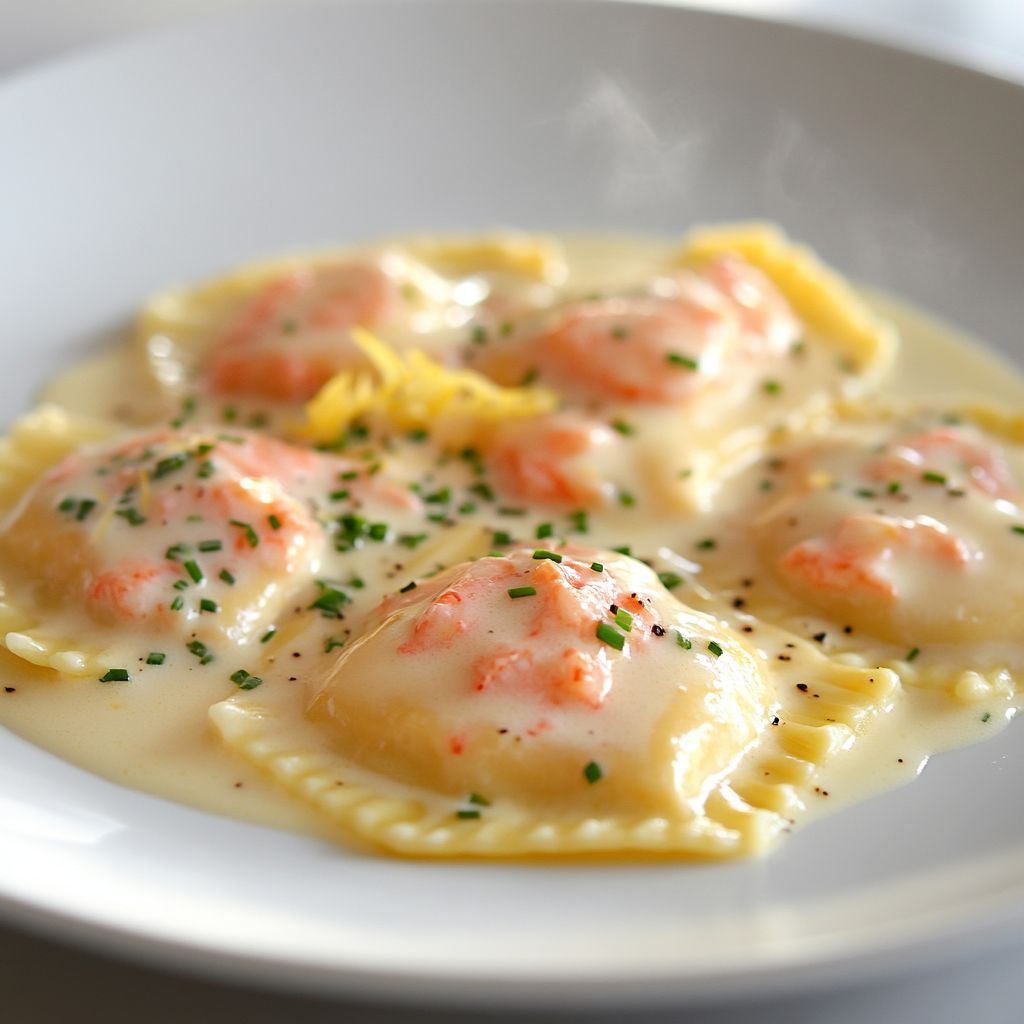
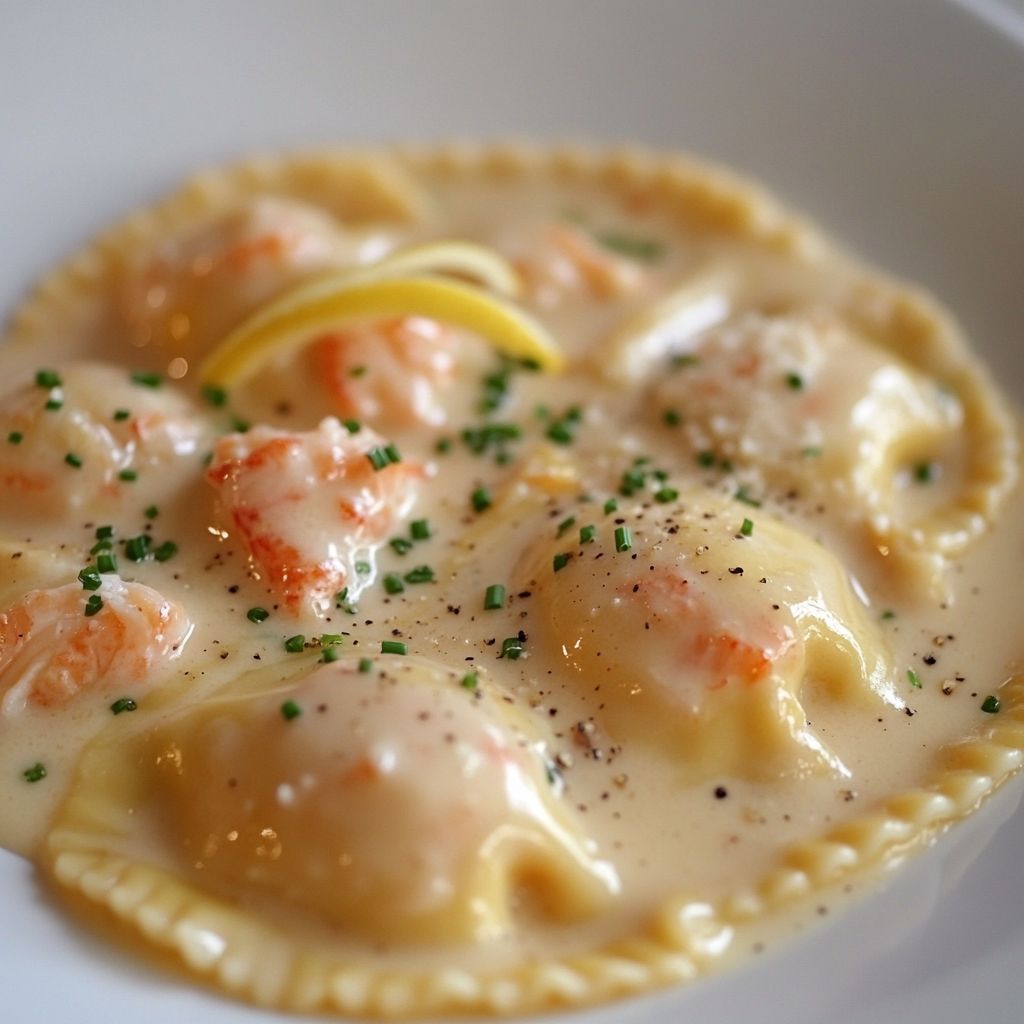
- To serve, spoon the lobster sauce generously over freshly cooked lobster ravioli or toss the ravioli gently in the pan to coat; garnish with additional chopped parsley or chives and a light squeeze of lemon if desired for extra brightness. This presentation showcases the lobster pieces and ensures every bite is balanced with aromatic herbs and a creamy, citrus-kissed shellfish sauce.
Notes
These lobster ravioli sauce notes are intended to help you achieve a glossy, balanced sauce that clings to every lobster-studded bite. Start by melting 2 tablespoons unsalted butter with 1 tablespoon olive oil over medium heat; sauté 2 finely minced shallots until translucent, then add 2 minced garlic cloves and cook just until fragrant. Deglaze with 1/2 cup dry white wine and simmer until reduced by half. Stir in 1 cup lobster stock and 2 tablespoons tomato paste, letting the paste bloom to deepen color and body. Pour in 1 cup heavy cream and simmer gently; toward the end, whisk in 1–2 tablespoons fresh lemon juice (and optionally the lemon zest) to brighten; avoid boiling once the cream is in. For a finishing gloss, whisk in 1 tablespoon cold butter off the heat and, if desired, 1–2 tablespoons cognac or brandy to deglaze and add warmth; if you prefer to skip alcohol, substitute with a touch more stock and a little extra lemon. To keep the lobster texture tender, fold in 1 cup cooked lobster meat at the end, just until warmed through; pat dry thawed meat to minimize extra moisture and preserve chunks. Season gradually with salt and freshly ground pepper, tasting after each addition since the stock and tomato paste contribute salt. Optional: a pinch of red pepper flakes for subtle heat and 2 tablespoons chopped fresh parsley or chives added at the end for color and aroma. If you like color and sweetness, stir in 1/2 cup roasted red peppers near the end. For a dairy-free version, omit the butter and reduce the cream, using extra olive oil to maintain richness. Leftovers refrigerate well for 2–3 days; reheat gently over low heat, whisking to re-emulsify, and adjust seasoning as needed. Always cook the lobster just until opaque, and pat dry thawed meat to minimize moisture and preserve chunks.
Tips
Choosing and handling lobster meat
- Use claw and tail meat from a fully cooked lobster; chop into bite-sized pieces so the sauce coats evenly and each bite includes lobster texture.
- If starting with raw lobster, cook until opaque, then dice; pat dry thawed meat to minimize extra moisture and fold in gently at the end to preserve chunks.
- Pat lobster meat dry after cooking to avoid watery sauce and dilute flavors.
Aromatics and the base
- Sauté shallots until translucent and just starting to color; avoid deep browning which can introduce bitterness.
- Add garlic after the shallots and sauté briefly (about 30 seconds) until fragrant; don’t let it brown.
- Bloom tomato paste with the aromatics to deepen color, body, and to help the sauce emulsify with cream.
Deglazing, stocks, and building depth
- Deglaze with dry white wine after sautéing aromatics; simmer until reduced by about half to concentrate flavor and avoid a watery sauce.
- Use 1 cup lobster stock or seafood stock for depth; if making stock from shells, simmer with aromatics, strain, and measure. Use low-sodium stock and adjust salt later.
- If you prefer no alcohol, substitute with additional lobster stock and a splash of lemon juice.
Dairy handling and texture
- Stir in heavy cream and simmer gently; avoid boiling to prevent curdling. For a lighter texture, you can use half-and-half but keep heat gentle.
- Finish with 1 tablespoon cold butter off the heat to emulsify and create a glossy, luxurious finish; do not boil after adding.
- If the sauce thickens, loosen with a splash of lobster stock or water while maintaining a gentle simmer.
Acidity and brightness
- Add lemon juice gradually toward the end; too early or boiling can curdle the cream. Optional lemon zest adds fragrant brightness when folded in near the end.
- Season progressively; lobster stock and butter contribute salt, so taste after each addition to avoid oversalt.
Seasoning, heat, and finishing touches
- Freshly ground black pepper enhances seafood flavors; a pinch of red pepper flakes adds subtle warmth if desired.
- Add chopped fresh parsley, chives, or tarragon toward the end to brighten color and aroma; if using dried herbs, add earlier in smaller amounts.
- 1–2 tablespoons cognac or brandy to deglaze adds depth; you can flambé safely or simmer briefly to cook off the alcohol. If avoiding alcohol, substitute with an extra splash of stock and a touch more lemon.
Make-ahead and storage tips
- The sauce can be prepared up to a day ahead; rewarm gently and whisk in a splash of cream or stock if it thickens.
- Keep lobster meat separate from the sauce until ready to serve to avoid overcooking; fold in at the end just before serving for best texture.
FAQ
What is lobster ravioli sauce?
A lobster ravioli sauce is a rich, velvety accompaniment designed to complement delicate lobster-filled pasta. It typically features butter, cream or dairy-free alternatives, garlic and shallots, white wine, lobster stock or shellfish stock, lemon, and fresh herbs to echo the seafood sweetness.
What ingredients are used for a classic lobster ravioli sauce?
Common ingredients include:
- Butter
- Garlic and shallots
- Dry white wine
- Lobster stock or shellfish stock
- Cream (heavy cream or half-and-half) or a dairy-free alternative
- Lemon juice or zest
- Fresh herbs (tarragon, chives, or parsley)
- Salt and white pepper
Can I use canned or pre-cooked lobster in the sauce?
Yes. Use drained, well-patted dry lobster meat from canned or pre-cooked lobster. Gently fold it into the finished sauce to warm through without overcooking. If using frozen lobster, thaw completely and pat dry before adding.
How do I make a quick lobster cream sauce?
Basic method:
- Sauté minced garlic and finely chopped shallots in butter until translucent.
- Add white wine and simmer until reduced by half.
- Stir in lobster stock and reduce slightly.
- Add cream and simmer until lightly thickened.
- Return lobster meat to the pan, warm through, then finish with lemon juice and herbs. Season to taste.
How can I prevent the sauce from breaking or curdling?
Tips to keep it smooth:
- Keep the heat low to avoid boiling the cream.
- Whisk constantly while adding dairy or stock to emulsify.
- Temper the dairy by adding a small amount of hot liquid before pouring it in.
- If it starts to separate, remove from heat and whisk in a splash of cold cream or a cold small cube of butter, then rewarm gently.
Are there dairy-free or lighter versions of this sauce?
Yes. Options include:
- Replace cream with coconut cream or a cashew cream (soaked cashews blended with water).
- Use olive oil or dairy-free butter in place of dairy butter, and a dairy-free milk with a touch of starch for thickening (e.g., almond milk with cornstarch).
- Skip the roux and rely on reduced stock and emulsified olive oil for a lighter texture.
What add-ins can customize the flavor of the sauce?
Flavor boosters to consider:
- Fresh lemon zest or a splash of lemon juice
- Chopped fresh herbs (tarragon, chives, parsley)
- Finely grated tomato or a touch of tomato paste for color
- A pinch of red pepper flakes for a subtle heat
- Finely chopped roasted garlic or shallots
- Truffle oil or a small amount of cognac for depth
How long does the sauce keep, and how should I store it?
Storage tips:
- Refrigerate in an airtight container for up to 2–3 days.
- Let it cool, then refrigerate promptly to prevent bacterial growth.
- Chill the lobster separately if you plan to combine later with fresh pasta.
Can I freeze the sauce, and how should I reheat it?
Freezing is best for the dairy-free version or the base sauce without fresh lobster. For best results:
- Freeze sauce (without lobster meat) in a freezer-safe container for up to 2 months.
- Thaw in the fridge overnight, then rewarm gently over low heat, whisking to re-emulsify. If using cream, you may need to whisk in a splash of dairy-free milk or a little butter to restore texture.
- Add pre-cooked lobster meat at the end to warm through, not cook further.
What wine or beverage pairs well with lobster ravioli sauce?
Pairings to enhance the dish:
- Dry or demi-sec white wines such as Sauvignon Blanc, Chardonnay (unoaked or lightly oaked), or Pinot Grigio.
- For a sparkling option, a brut Champagne or Prosecco adds brightness.
- Non-alcoholic: a crisp citrus-forward sparkling water or a white grape juice spritzer with a squeeze of lemon.