Introduction / Hook
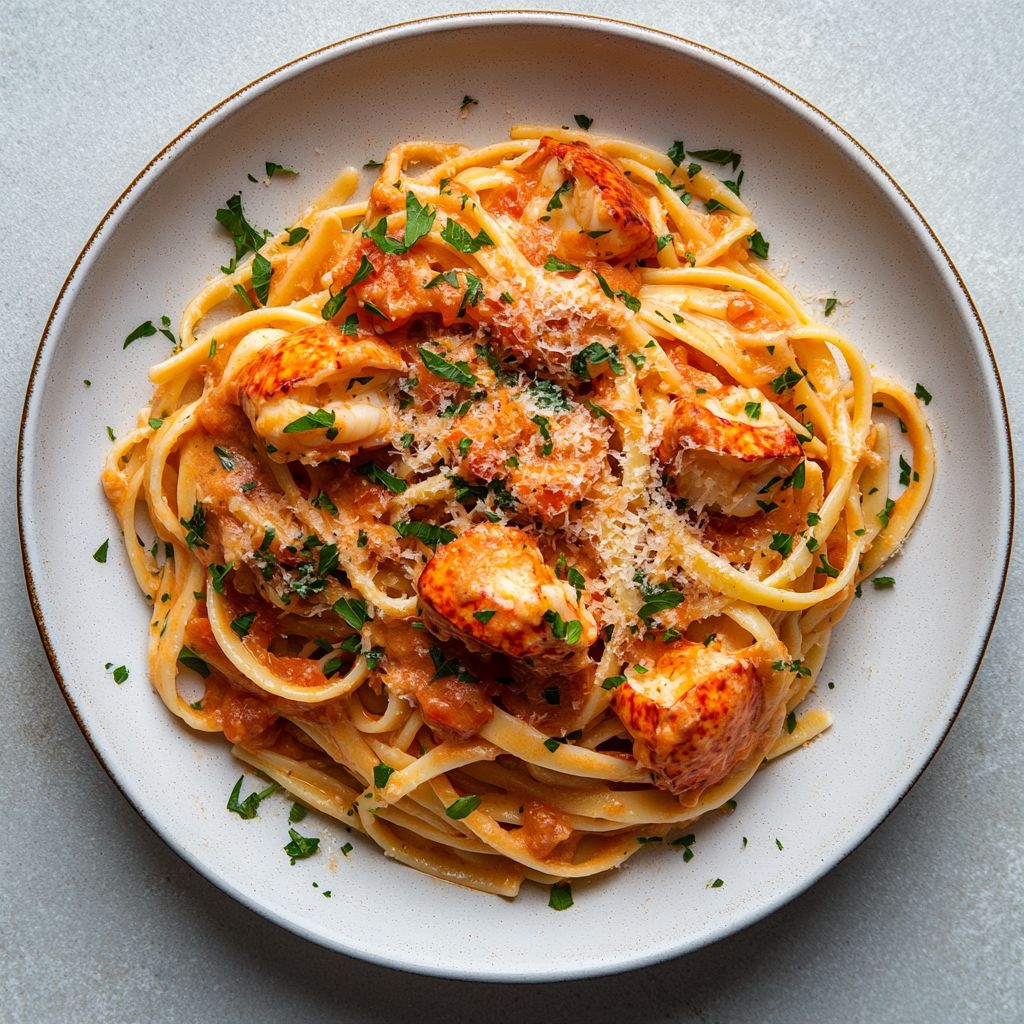
Close your eyes for a moment and let the scent of the sea wash over you in a single, shimmering memory. A plate appears, twinkling with the glow of a coastal sunset: velvet strands of pasta wrapped around succulent morsels of lobster, a glossy sauce that clings like silk, and a whisper of citrus that cuts through the richness with a bright, cheerful zing. This isn’t just dinner; it’s a gateway to a seaside celebration you can summon any night of the week. Lobster pasta is one of those rare dishes that feels indulgent without being complicated, glamorous without pretension, and deeply comforting without ever tipping into heaviness. Every forkful carries a little piece of the ocean’s mystery—somewhere between the way the lobster meat stays tender and the way the sauce envelops the pasta so gracefully that time slows down just enough to savor the moment.
Imagine dining in a sunlit kitchen where the hum of a small town comes through the window: a chorus of clinking glasses, the distant chatter of neighbors, and the soft hiss of something wonderful coming together on the stove. The dish invites you to linger—to lean into a simple, well-balanced marriage of briny sweetness, creamy lushness, and a spark of brightness that keeps you reaching for just one more bite. It’s the kind of plate you want to share with someone you love, yet sturdy enough to serve as a showpiece for a weeknight treat or a special occasion. Lobster pasta has a way of turning ordinary evenings into memories, of transforming routine meals into something you’ll tell stories about later. In short, it’s comfort with couture, elegance with ease, and flavor that feels both timeless and thrillingly new.
This is a dish designed to celebrate craft—how a few high-quality ingredients, treated with respect and attention, can become something greater than the sum of their parts. It’s about savoring the briny sweetness of the sea and the comforting, almost nostalgic pull of well-made pasta, all brought together with a glossy, mouthwatering finish that makes every bite feel like a small celebration. Whether you’re feeding a family, hosting friends, or treating yourself to a restaurant-quality moment at home, lobster pasta stands ready to deliver a dining experience that’s worth lingering over. And the best part? It can be as quick as a weeknight and as luxurious as a weekend feast, depending on how you pace the prep and what you decide to pair with it. The journey from pan to plate becomes a little ritual of delight, a reminder that good food can be both an intimate ritual and a shared joy.
As you read on, you’ll discover not only the sensory magic of this dish but also the stories, textures, and techniques that make it robust yet approachable. You’ll learn how the dish balances oceanic sweetness with bright acidity, how the sauce clings to each strand of pasta without pooling, and how lobster’s natural sweetness is allowed to shine without being overwhelmed. This isn’t merely about following steps; it’s about inviting a sense of place into your kitchen—the harbor, the kitchen table, the clink of wine glasses, the whisper of a seaside breeze. And the best part is that you can adapt it to your own pantry, your dietary preferences, and your mood, without sacrificing the charm or the payoff. So, take a breath, imagine that first perfect bite, and embark on a culinary voyage that promises to be memorable, satisfying, and absolutely delicious.
The Story Behind the Dish
The lineage of lobster pasta is a romance between coastal abundance and Italian culinary craft. It’s the kind of dish that feels both timeless and modern because it sits at the crossroads of two great culinary traditions. On one shore you have regions where lobster is celebrated as a jewel of the sea—prepared simply to let its natural sweetness shine, with a light hand, in a way that honors the crab or crustacean’s delicate texture. On the other shore you have kitchens that prize a silky, cohesive sauce that keeps every strand of pasta contentedly coated, so nothing feels dry or separate. When these sensibilities meet, lobster pasta is born: a dish that speaks of sea air and sunlit kitchens, of long conversations over a shared plate, of family gatherings where everyone leans in to savor each bite.
There’s a charming anecdote often told in harbor towns: the first time a chef paired a lobster main with a simple, unadorned pasta, the room quieted as diners realized that luxury can live in restraint. The lobster’s sweetness carried the dish, while a modest, well-balanced sauce offered a satin backdrop that allowed the flavors to breathe rather than compete. Over generations, cooks refined the approach, discovering that a light aromatics strategy, a gentle simmer, and a careful reduction could elevate the dish without masking the lobster’s character. This story echoes in coastal communities around the world, where sea-breeze afternoons blur into evenings of convivial meals and the clatter of plates becomes a hymn to shared delight.
Culturally, this dish embodies a spirit of fusion—an appreciation for seafood’s natural superiority married to the comforting familiarity of pasta. It’s emblematic of how food travels, how chefs borrow and blend ideas across oceans and cuisines, and how a single plate can evoke a sense of place. In many homes, lobster pasta is reserved for holidays or celebratory dinners, but its essence is accessible: it invites you to slow down, to savor, and to enjoy the artistry of turning a few pristine ingredients into something greater than a momentary indulgence. The dish’s popularity also reflects a broader culinary truth: the best seafood dishes don’t rely on complexity for impact. They rely on balance, technique, and generosity of spirit—the kind of generosity that invites you to share, to smile after the first bite, and to remember that good food can make ordinary days feel special.
As you explore this recipe, you may notice echoes of coastal memories—salt on your lips after a swim, the warm glow of a kitchen window at dusk, the soft clink of a wine glass. The dish becomes a canvas on which you can project your own memories and preferences. It welcomes improvisation in the most comforting way: you can choose different shapes of pasta to alter texture, adjust the balance of richness and brightness to suit your palate, or add a subtle accent that nods to regional flavors you love. The beauty lies in its adaptability, in how a simple, well-executed dish can carry the weight of tradition while inviting personal expression. The lobster itself is the star, but it’s the way the entire plate comes together—via a glossy, envelope-like sauce that grips every strand, with the lobster’s tender morsels punctuating the bite—that truly tells the story of this dish.
Why You’ll Love This Recipe
- Effort-to-delight ratio that feels special without being intimidating, making it perfect for both weeknights and celebrations.
- A luxurious yet approachable seafood dish that showcases the sweetness of lobster without overpowering the pasta.
- A velvety, glossy sauce that clings to every strand, delivering a cohesive bite each time you lift your fork.
- Balanced flavors that pair briny, oceanic notes with bright citrus or herbal lift, creating a multi-dimensional tasting experience.
- Comforting textures: the tender meat of lobster, the satisfying bite of al dente pasta, and the smoothness of a carefully emulsified sauce.
- Versatility in presentation—from an elegant plated dinner to a cozy family-style meal with generous portions.
- Flexible to dietary needs with potential for dairy-free, gluten-free, or plant-forward adaptations without sacrificing flavor.
- Excellent runner for entertaining guests, as it feels sophisticated while still being achievable with patience and care.
- Pairing-friendly profile that plays well with light white wines, crisp greens, and simple side dishes or desserts.
- A sense of occasion: the dish signals care and celebration, even when prepared for a quiet, intimate dinner at home.
Flavor Profile & Texture
At its core, lobster pasta is a study in balance. The lobster meat lends a natural sweetness and a delicate, almost candy-like bite that remains tender against heat and time. The pasta provides a comforting, familiar foundation—plump, strand-like ribbons that coil around the fork with ease, offering a pleasing chew that sustains the luxurious bite. The sauce, when done well, is a glossy, almost satin-like curtain that gathers on each strand, transforming the entire mouthful into one cohesive moment rather than a sequence of separate flavors. The sea-salted umami of the lobster is tempered by a gentle richness, often achieved through a smooth emulsification. What makes this dish sing, however, is the brightness that dances across the palate—hint of citrus, a tincture of herb, a whisper of aromatic acidity that lifts the entire plate without stealing from the lobster’s sweetness.
Texture-wise, expect a luscious mouthfeel with a gentle, lingering finish. The pasta should be tender but not mushy, holding its shape and allowing the sauce to cling. The lobster chunks, if cut into bite-sized morsels, provide bursts of succulent texture—slightly firmer than the surrounding meat—creating moments of contrast that keep the eating experience dynamic. The sauce itself offers a silkiness that coats without heaviness, a balance of dairy-like creaminess and lighter, more translucent elements that keep the dish from tipping into richness overload. In many renditions, a subtle ring of emulsified liquid—perhaps a touch of the seas or a delicate reduction—gives the dish a lift that makes every mouthful feel alive and bright. When you pair the dish with a quick squeeze of citrus or a fresh herb note, you invite a crispness that awakens the senses and keeps the flavors vivid from first bite to last.
The seafood sweetness, the starch of the pasta, and the glossy finish of the sauce work in harmony to deliver a plate that feels simultaneously indulgent and refined. The aromatics—though not overpowering—provide a gentle perfume that lingers after the plate is cleared, inviting you to take another bite and another, as if the dish itself were telling a slow, delicious story. In practice, you’ll experience a progression: a first impression of velvety indulgence, followed by a mid-palate balance where the brininess of the sea meets the comforting depth of the sauce, and finally a bright, lingering finish that leaves a memory of ocean air and home-cooked warmth. This is the kind of dish that rewards those who savor the moment and appreciate the subtle craft that makes every element feel intentional and well-tuned.
Occasions & Pairings
This lobster pasta shines in a variety of settings, from festive dinners to quiet weeknights where you want a little luxury without a long prep timeline. It works beautifully as the centerpiece for a family celebration, a date night at home, or a dinner party where you want to impress without overwhelming your guests with complexity. Because the dish holds onto the lobster’s sweetness and doesn’t rely on heavy sauces, it also serves as a forgiving platform for a range of wine pairings and side dishes. A light, crisp white wine or a delicately fragrant sparkling option can complement the dish without competing with the seafood’s character. For sides, consider a simple green salad with a tart vinaigrette, a loaf of crusty bread to catch every drop of sauce, or a delicate vegetable sauté that brings color and balance to the plate.
If you’re planning a holiday dinner or a special weekend meal, this dish can act as a showpiece while still feeling approachable. It pairs nicely with courses that echo the same balance—light antipasti, a fresh caprese-style presentation, or a simple citrus-based appetizer to mirror the dish’s brightness. For a more robust pairing, you could choose a slightly fuller white wine with just a touch more body, or a light, dry sparkling wine that adds a celebratory sparkle to the table. Dessert can be something simple and refreshing, like a citrus-forward sorbet or a light, fruit-driven pastry that cleanses the palate after a rich, comforting main.
For everyday enjoyment, this dish becomes a little ritual: you plan a quiet evening, you select a good piece of seafood for freshness, you plate with care, and you let the sauce do the talking. It’s a reminder that a delicious, satisfying meal doesn’t always require grand gestures—sometimes it’s the quiet confidence of a well-executed plate that makes the biggest impression. And if you want to tailor the dish to your preferences, you can pair it with simpler, freer sides or build a multi-course menu that doesn’t overwhelm the palate but rather celebrates the stars of the dish: the lobster, the pasta, the silky sauce, and the gentle brightness that ties everything together.
Tips, Variations & Substitutions
- Make it dairy-light or dairy-free: employ a silky emulsion that relies on a touch of a dairy-free option, or use olive oil-based finishing to preserve gloss and mouthfeel without dairy.
- Pasta options: while classic long pasta is a favorite, you can experiment with broader ribbons or even shaped pasta to alter texture. Different shapes hold the sauce in unique ways, creating new bite experiences.
- Seafood variations: if lobster isn’t available, a combination of other shellfish or a robust white fish can offer a similar seafood-forward profile, though flavor and texture will shift accordingly.
- Gluten-free approach: choose gluten-free pasta that maintains a satisfying bite and texture; the sauce’s viscosity will help keep the coating intact.
- Herbal and citrus accents: keep notes light and fresh. A few zest shavings or a gentle herbal finish can lift the dish without overpowering the seafood’s sweetness.
- Regional twists: add a hint of a distant coastal influence by incorporating a subtle, peppery note or a small amount of a regional aromatic to nod to tradition without crowding the lobster’s character.
- Make-ahead versatility: prepare a portion of the sauce in advance and reheat gently, finishing with fresh pasta to maintain texture and brightness. This approach helps when you’re entertaining and want to serve a hot plate without last-minute stress.
Storage & Make-Ahead Ideas
For leftovers, store the cooked pasta and lobster separately from any sauce in airtight containers in the refrigerator for up to a couple of days. When reheating, warm the sauce gently in a pan to coax its gloss back, then toss with fresh, hot pasta to bring the dish back to life. If you’ve prepared a larger batch, you can freeze the sauce portion for a future meal, keeping in mind that seafood flavors can shift slightly after freezing and thawing. Reheat slowly to preserve its delicate balance and avoid breaking the sauce’s emulsion. If you’re making this ahead for a party, consider cooking the pasta to al dente and finishing the dish with the lobster and sauce just before serving, ensuring the pasta resents less time soaking in moisture and maintains a desirable bite and sheen.
To keep everything vibrant for guests, you can offer a finishing station: a little zest of citrus, a handful of chopped herbs, and a light drizzle of the finishing sauce on top at the last moment. This preserves the experience of a freshly made plate and gives everyone the sense that they’re watching a chef’s workshop unfold, even in the comfort of a home kitchen. If you’re eager to keep the lobster whole and impressive, you can portion the meat into large chunks and plate with minimal mixing, letting guests scoop as they desire, creating an element of theater at the table. For those who want to minimize mess, pre-toss the pasta with a small amount of sauce and keep the rest on the side for a quick finish at the table. The key is to respect the texture of the lobster and the silkiness of the sauce, avoiding over-mixing or overcooking, which can dull the luxury of the dish.
Fun Facts & Trivia (Optional)
- Lobster has long been considered a luxury food in many regions, but its availability has made it a celebrated staple for seafood lovers around the world.
- The idea of pasta pairing with seafood has deep roots in both Italian and Mediterranean culinary traditions, reflecting a preference for simple, expressive flavors that let the ingredients speak for themselves.
- The gloss on the sauce often comes from an emulsification process that blends fats and liquids into a cohesive, velvety finish—an ancient technique that remains central to many seafood pastas.
- Lobster meat is naturally forgiving when prepared correctly, offering a delicate sweetness that carries well with lighter sauces and a gentle acidity to keep flavors buoyant.
- The dish embodies the idea that simplicity can deliver grandeur—minimalist ingredients treated with care can result in a memorable, restaurant-worthy experience at home.
Ingredients
Lobster Prep
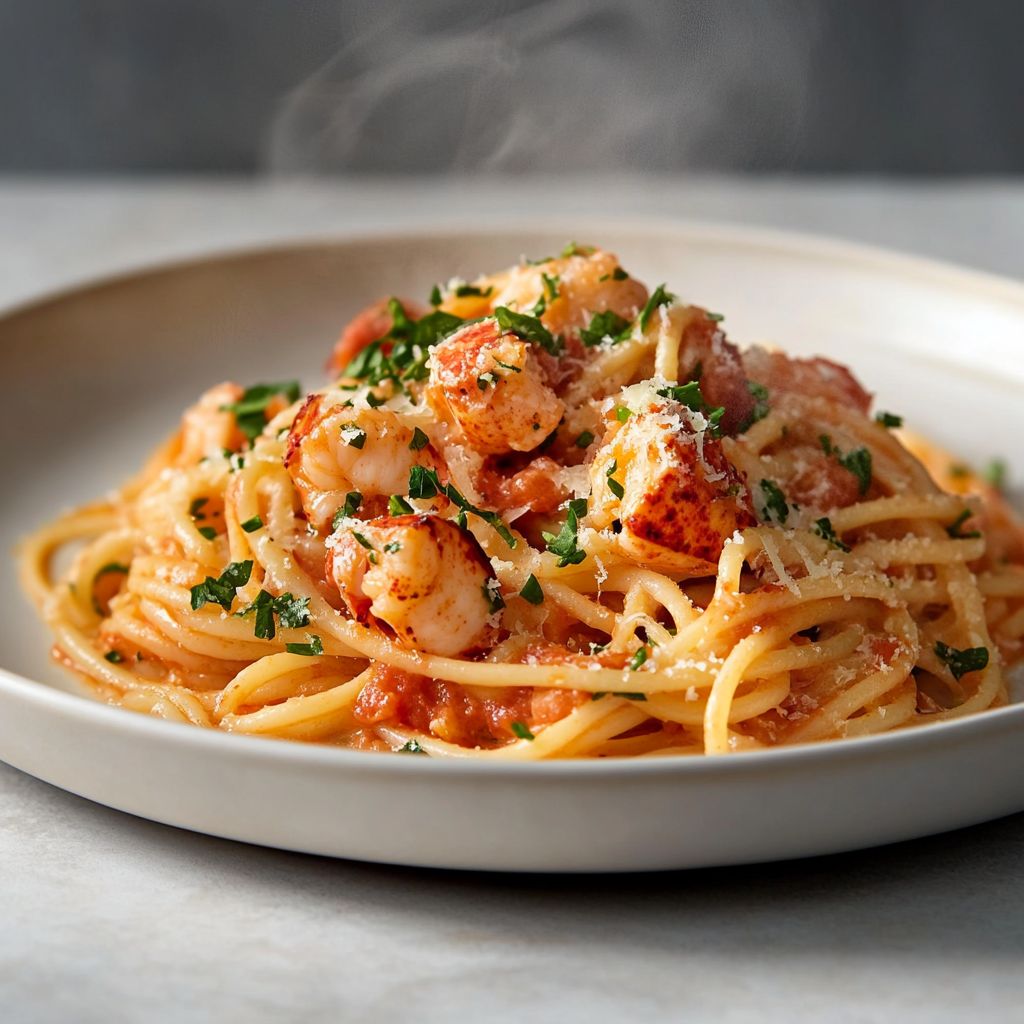
- 12 oz cooked lobster meat, roughly chopped
→ The star protein of the dish; chop into bite-sized pieces so they distribute evenly through the pasta. If you only have claw meat, that’s fine too. If starting from raw lobster, cook until just opaque, remove the meat from the shell, and pat dry before adding to the sauce to avoid thinning it.
Pasta and Base
- 12 oz linguine or spaghetti (uncooked)
→ The pasta base that will carry and cling to the lobster sauce. Cook in well-salted water until al dente. Reserve about 1 cup of the starchy cooking water before draining to adjust sauce consistency later if needed. - 2 tablespoons extra-virgin olive oil
→ Used to coat the pan and begin the aromatics without burning the garlic. High-quality olive oil adds fruity, fresh notes to the sauce. Heat over medium before adding aromatics. - 2 tablespoons unsalted butter
→ Adds richness and helps emulsify the sauce as it finishes. Add after sautéing aromatics to prevent browning the garlic and shallot; swirl to distribute evenly for a glossy finish. - 3 cloves garlic, minced
→ Provides the savory foundation for the sauce. Mince finely so the garlic dissolves evenly; avoid letting it brown harshly, which can introduce bitterness. - 1 shallot, minced
→ Introduces a subtle sweetness and depth beyond onion. Sauté with the garlic until translucent and fragrant; if you don’t have shallot, substitute with 1/4 onion. - 1/2 cup dry white wine
→ Deglazes the pan and lifts any browned bits (fond) from the aromatics and shell flavor, adding acidity to balance richness. Allow it to reduce by about half to concentrate flavor before adding the stock. - 1 cup seafood stock or clam juice
→ Builds body and depth in the sauce with a hint of oceanic flavor. Use a stock you enjoy sipping; if salty, reduce salt in the final seasonings. Simmer briefly to reduce slightly before adding cream. - 1 cup heavy cream
→ Creates the creamy, luscious sauce that coats the pasta and lobster. For a lighter version, substitute with half-and-half, but note the sauce won’t be as thick. Do not boil vigorously after adding cream to prevent curdling; keep at a gentle simmer. - 1 cup crushed tomatoes or halved cherry tomatoes
→ Adds color, acidity, and a touch of brightness. Crushed tomatoes give a bit more body; fresh cherry tomatoes offer a sweeter, fresher note when simmered briefly with the sauce. - 1/2 teaspoon red pepper flakes
→ Introduces a subtle warmth to complement the lobster without overpowering it. Adjust to taste; start with a little and add more if you want more heat. - Zest of 1 lemon and 1 tablespoon lemon juice
→ Brightens the rich sauce and enhances the seafood’s sweetness. Add zest toward the end of cooking for aroma and stir in lemon juice just before serving to keep the brightness intact. - 1/2 cup freshly grated Parmesan cheese
→ Adds salty, nutty depth that helps thicken and finish the sauce. Best when grated fresh from a block; stir in off the heat to prevent clumping and to preserve flavor. - 2 tablespoons chopped fresh parsley
→ Finishes the dish with color and a light, herbaceous note. Stir in at the end to preserve brightness; reserve a little for garnish if desired. - Fine sea salt, to taste
→ Seasoning is key to bringing all components together. Start with a small pinch and adjust after tasting, especially since the seafood stock and Parmesan add saltiness. - Freshly ground black pepper, to taste
→ Adds a subtle kick that complements the richness. Grind just before serving for maximum aroma and bite.
Optional Add-ins
- 1/2 cup chopped fresh basil (optional)
→ Basil adds a bright, aromatic note that pairs beautifully with lemon and seafood. Add at the very end to maintain vibrant color and fresh flavor. - 1/4 cup grated Pecorino Romano (optional)
→ Provides a sharper, tangier cheese flavor that complements lobster without masking its sweetness. Use sparingly and taste as you go to avoid overpowering the dish.
Instructions
- Fill a large pot with 4 to 6 quarts of water, salt generously, and bring to a rolling boil so the pasta has enough room to cook evenly and to properly season as it cooks.
→ Well-salted water seasons the pasta from the inside as it cooks and prevents sticking by keeping starch separate. - Add 12 oz linguine or spaghetti to the boiling water and cook until al dente according to package instructions, stirring occasionally to prevent sticking; reserve about 1 cup of the cooking water before draining to adjust the sauce later if needed.
→ Saving pasta water provides a starchy, gluten-rich liquid that helps loosen and emulsify the sauce, making it cling to the noodles. - Pat the 12 oz cooked lobster meat dry with paper towels and roughy chop if not already; drying and rough chopping ensures even distribution and prevents excess moisture from thinning the sauce.
→ Dry meat re-heats quickly without diluting the sauce; bite-sized pieces ensure lobster appears in every forkful. - In a large skillet, heat 2 tablespoons extra-virgin olive oil over medium, swirling to coat the bottom; warming the oil first prevents the aromatics from scorching and gives an even base for the sauce.
→ A properly heated oil foundation prevents raw garlic flavor and builds a glossy base for the sauce. - Add 3 minced garlic cloves and 1 minced shallot to the skillet and sauté until just translucent and fragrant, about 2 minutes, stirring frequently and avoiding any browning that would introduce bitterness.
→ Gentle sweating unlocks sweetness and depth without introducing harsh notes from over-browned garlic. - Deglaze the pan with 1/2 cup dry white wine, scraping up any browned bits with a wooden spoon, and simmer until the wine reduces by about half to concentrate the aromatics.
→ The fond lifts flavor from the pan and the reduction intensifies acidity to balance richness. - Stir in 1 cup seafood stock or clam juice and bring to a gentle simmer; simmer briefly to reduce slightly and build a richer base for the sauce.
→ Stock adds body and oceanic nuance; reduction concentrates those flavors for the final sauce. - Pour in 1 cup crushed tomatoes or halved cherry tomatoes and simmer for 5 to 7 minutes, allowing them to soften and integrate color and brightness into the sauce.
→ Tomatoes contribute acidity, sweetness, and body, balancing the richness of cream and lobster. - Lower the heat to a gentle simmer and whisk in 1 cup heavy cream, maintaining a steady, just-bubbling simmer to keep the sauce creamy without curdling.
→ Cream creates the luscious texture that coats the pasta; a gentle simmer preserves silkiness and prevents separation. - Stir in the zest of 1 lemon and 1 tablespoon lemon juice, and add 1/2 teaspoon red pepper flakes; combine so the bright citrus and subtle heat lift the seafood while maintaining balance.
→ The acidity from lemon and a hint of heat balance the richness and echo the lemon notes in seafood dishes. - Off the heat, whisk in 1/2 cup freshly grated Parmesan cheese until smooth and emulsified, then season with salt to taste; this finishes the sauce with a nutty, salty kiss without clumping.
→ Adding cheese off the heat prevents clumping and preserves flavor; it also helps thicken the sauce slightly for coating. - Gently fold in the lobster meat and warm through for 2 to 3 minutes, turning the pieces to heat evenly without overcooking which can make the lobster tough.
→ Lobster retains moisture and tenderness when warmed briefly in the sauce rather than boiled or simmered extensively. - Add the drained pasta to the skillet with the sauce and lobster; toss with tongs, gradually adding the reserved pasta water as needed to loosen the sauce and help it cling to the pasta until glossy and evenly coated.
→ Starchy pasta water helps emulsify the sauce and ensures a cohesive, shiny coating on every strand. - Season the dish with fine sea salt and freshly ground black pepper to taste, tasting and adjusting as needed after combining the pasta and sauce.
→ Final seasoning balances all components since seafood stock and Parmesan contribute saltiness; taste before serving. - Stir in 2 tablespoons chopped fresh parsley at the end for color and a fresh, herbal note, reserving a pinch for garnish if desired.
→ Parsley provides brightness and contrast to the rich sauce; heat can dull herbs, so add at the end. - Optionally, if using basil, fold in 1/2 cup chopped fresh basil just before serving to preserve vibrant color and fragrance; or, if you prefer a sharper cheese presence, grate 1/4 cup Pecorino Romano over the top and taste as you go.
→ Basil adds a distinctive citrusy aroma that pairs beautifully with lemon and seafood; Pecorino Romano offers a tangier finish than Parmesan. - Divide the lobster pasta among warmed plates, spoon extra sauce over each portion, and finish with a light dusting of lemon zest and a final pinch of parsley for a visually vibrant, aromatic presentation.
→ Serving immediately ensures optimal texture and aroma while the sauce remains glossy and flavorful.
Notes
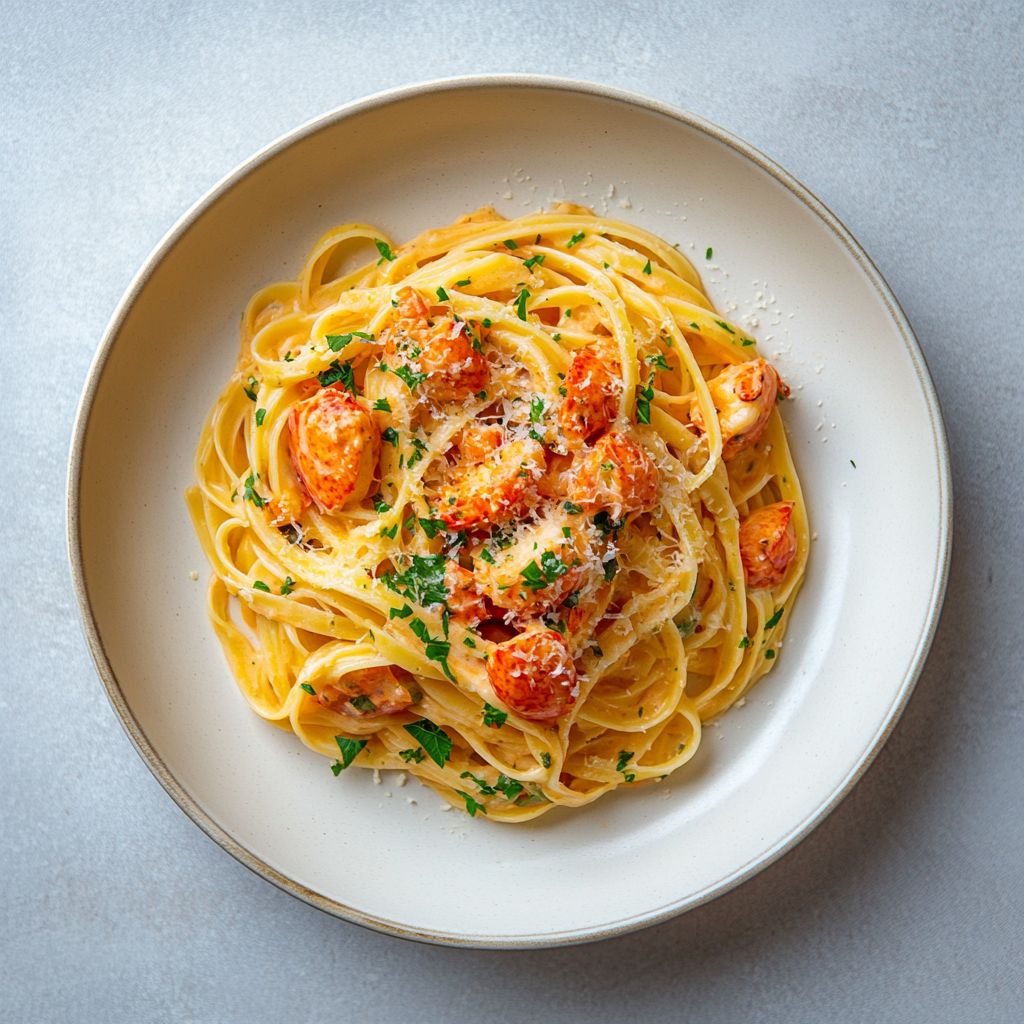
These lobster pasta dishes are luxurious, crowd-pleasing seafood meals built around tender lobster meat, a silky tomato-cream sauce, and al dente pasta. With a few smart prep steps and careful attention to seasoning, this dish comes together quickly and feels restaurant-worthy at home.
- Prep the lobster meat first: chop 12 oz of cooked lobster meat into bite-sized pieces so they distribute evenly through the sauce. If you only have claw meat, that works too. If starting from raw lobster, cook until just opaque, remove the meat from the shell, and pat dry before adding to the sauce to avoid thinning the sauce.
- Cook the pasta in well-salted water until al dente. Reserve about 1 cup of the starchy cooking water before draining; you may need it to loosen the sauce later and help it cling to the pasta.
- Start the sauce with 2 tablespoons of extra-virgin olive oil and 2 tablespoons of unsalted butter. Sauté the minced garlic and shallot slowly over medium heat until translucent and fragrant, being careful not to brown them, which can introduce bitterness.
- Deglaze with 1/2 cup dry white wine and simmer until it reduces by about half, concentrating the flavors and lifting any browned bits from the pan.
- Stir in 1 cup seafood stock or clam juice and 1 cup crushed tomatoes or halved cherry tomatoes. Simmer briefly to meld the flavors; the tomatoes will provide brightness and body to the sauce.
- Pour in 1 cup heavy cream and maintain a gentle simmer. Do not boil vigorously after adding cream to prevent curdling; if the sauce thickens too much, loosen with a splash of the reserved pasta water.
- Season with 1/2 teaspoon red pepper flakes, fine sea salt, and freshly ground black pepper to taste. Add the lemon zest of 1 lemon and 1 tablespoon lemon juice toward the end of cooking to brighten the richness.
- Stir in 1/2 cup freshly grated Parmesan cheese off the heat to create a glossy, silky finish. This helps thicken the sauce and adds a nutty depth without overpowering the lobster.
- Fold in the lobster pieces and 2 tablespoons chopped fresh parsley just before serving. Taste and adjust seasoning with salt and pepper as needed; reserve a small amount of parsley for garnish if desired.
- Optional accents: add 1/2 cup chopped fresh basil for a bright herbal note, or 1/4 cup grated Pecorino Romano for a sharper cheese edge. If using Pecorino, add sparingly and adjust salt accordingly.
- Finishing tips: keep the sauce warm on a very low simmer and add a splash of pasta water if you need to loosen it. Toss the cooked pasta with the sauce over low heat until well coated and glossy.
- Serving and leftovers: finish with extra lemon zest and parsley. The sauce will thicken as it sits, so a quick rewarm with a splash of pasta water helps restore the silkiness. This dish pairs well with a crisp white wine and crusty bread to mop up the sauce.
Tips
Lobster prep and handling tips
- Chop the cooked lobster meat into bite-sized pieces so it distributes evenly through the sauce. If you only have claw meat, that’s fine too. If starting from raw lobster, cook until just opaque, remove the meat from the shell, and pat dry before adding to the sauce to prevent thinning the sauce.
- Pat the lobster dry thoroughly after prepping. Any extra moisture can loosen the sauce and dilute the flavors. If you have time, chilling the meat for 10–15 minutes helps it hold its shape when folded into the hot sauce.
Pasta and base preparation tips
- Salt the pasta water generously. The pasta itself should taste like the sea, not bland. Aim for the water to taste like the ocean itself, since it’s the primary seasoning for the sauce components.
- Cook the linguine or spaghetti until al dente, since it will finish cooking in the sauce. Reserve about 1 cup of the starchy cooking water before draining to adjust the sauce consistency if needed.
- Use high-quality olive oil to build the base flavor. Heat the oil to shimmering but not smoking to prevent burning the garlic and shallot later.
- When adding butter, do so after the aromatics have softened. This helps emulsify the sauce and keeps it glossy rather than greasy.
- Mince garlic and shallot finely so they dissolve evenly into the sauce rather than leaving raw bits that can taste sharp.
Sauce development tips
- Deglaze with dry white wine and reduce by about half to concentrate the acidity and aroma. This step lifts any browned bits from the pan and adds depth to the base.
- When adding stock and cream, keep the heat moderate and avoid a vigorous boil after cream is added. A gentle simmer helps the sauce emulsify and prevents curdling.
- Crush the tomatoes for body, or use halved cherry tomatoes for brightness. Simmer just enough to meld their flavor without breaking down too much.
- Red pepper flakes should be subtle. Start with 1/2 teaspoon and adjust to taste so the heat complements, not overwhelms, the lobster.
Finishing flavors and balance
- Finish with the zest of 1 lemon and lemon juice just before serving to preserve brightness. Add zest toward the end for aroma and stir in lemon juice off heat to keep the citrus note lively.
- Stir in freshly grated Parmesan off the heat to avoid clumping and to preserve its nutty aroma. If the sauce thickens too much, splash in a bit of reserved pasta water to loosen.
- Add chopped fresh parsley at the very end for a bright, herbaceous note and vibrant color. Reserve a small amount for garnish if desired.
- Season with fine sea salt and freshly ground black pepper to taste, remembering that the stock and cheese add salinity. Taste as you go and adjust in small increments.
Finishing the dish and serving tips
- Toss the pasta with the sauce in the skillet so the starch helps emulsify the mixture and cling to every strand. If the sauce seems too thick, loosen with a splash of the reserved pasta water.
- Fold in the lobster meat at the end and heat just to warm through to maintain tenderness; overcooking will make the seafood tough.
- Garnish with extra parsley, a light dusting of Parmesan, and a final squeeze of lemon juice if desired. Serve immediately for best texture and aroma.
Optional add-ins and substitutions
- 1/2 cup chopped fresh basil can be added at the very end for a bright, aromatic note; it pairs nicely with lemon and seafood.
- 1/4 cup grated Pecorino Romano provides a sharper cheese accent. Use sparingly and taste as you go to avoid overpowering the lobster’s sweetness.
- If you prefer a lighter version, substitute half-and-half for heavy cream, but expect a thinner sauce.
FAQ
What is lobster pasta?
Lobster pasta is a luxurious, comforting dish that features tender lobster meat tossed with pasta in a rich, flavorful sauce made with garlic, butter, white wine, and citrus. It’s commonly made with linguine or fettuccine to hold the sauce nicely.
What ingredients do I need to make lobster pasta?
Common ingredients include:
- Lobster meat (1–1.5 lb cooked claw/tail meat or lobster tails)
- Pasta (linguine, fettuccine, or spaghetti)
- Butter and olive oil
- Garlic (and optional shallot)
- Dry white wine
- Heavy cream or half-and-half
- Lemon zest and juice
- Salt, pepper, and red pepper flakes (optional)
- Fresh parsley and grated Parmesan (optional)
How do I cook the lobster for this dish?
Options:
- Live lobster: Boil in salted water until shells turn bright red and meat is opaque, about 8–10 minutes for 1 lb lobsters. Let cool, then remove meat from tails and claws and cut into bite-sized pieces.
- Pre-cooked lobster: Use the meat directly in the sauce or briefly warm it in the sauce at the end.
- Alternatively, you can steam lobster and then extract the meat.
How do I make the lobster pasta sauce?
In a large skillet, melt butter with a little olive oil. Sauté minced garlic (and shallot if using) until fragrant. Add dry white wine and simmer until reduced by half. Stir in lemon zest and juice, then add cream and simmer 2–3 minutes. Season with salt, pepper, and red pepper flakes if desired. Add the lobster meat to warm through, then toss in the cooked pasta. Finish with chopped parsley and a squeeze of lemon.
Can I use frozen lobster?
Yes. Thaw frozen lobster in the refrigerator overnight. Pat the meat dry before cooking. Do not thaw at room temperature. If using thawed lobster meat, you can skip the initial boiling/steaming step and simply warm the meat in the sauce at the end.
How do I avoid overcooking the lobster?
Cook lobster just until the meat is opaque and firm. When added to the hot sauce, keep the heat moderate and toss gently for 1–2 minutes to warm through without turning rubbery. If you’re using pre-cooked meat, heat it just enough to coat with sauce.
What pasta shape works best for lobster pasta?
Flat, saucy pastas hold the sauce well. Good choices include linguine, fettuccine, or pappardelle. Thick spaghetti can work too. Avoid very delicate shapes that won’t hold onto the sauce.
Can I make this dairy-free or gluten-free?
Yes:
- Dairy-free: Use olive oil or a dairy-free butter substitute and replace cream with coconut cream or a dairy-free milk, thickened slightly with a slurry of cornstarch.
- Gluten-free: Use gluten-free pasta and check that any added products (parmesan, stock) are gluten-free.
Can I prepare this in advance or store leftovers?
Keep sauce and lobster separate from cooked pasta if planning ahead. Reheat sauce gently and toss with freshly cooked al dente pasta when serving. Leftovers can be refrigerated for 1–2 days in an airtight container. Do not freeze pasta with the cream sauce, as it can separate.
What are good serving suggestions and wine pairings?
Serve with a light salad and crusty bread to mop up the sauce. For wine, try a dry white such as Chardonnay, Sauvignon Blanc, or Pinot Grigio. A sparkling wine or Prosecco also pairs nicely with the richness of lobster pasta.