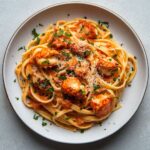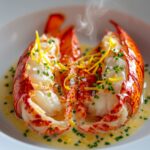
Introduction / Hook
Imagine a plate where ocean brightness meets cozy hearth warmth—the whisper of butter, the kiss of sea salt, and the creamy hug of aged cheese all weaving together with ribbons of tender pasta. This lobster mac and cheese isn’t just a dish; it’s a celebration of contrast, a luxurious twist on a timeless comfort classic. From the first whiff of garlic gently sautéing in butter to the moment you encounter that glorious crust of breadcrumbs crunching atop a molten, ocean-kissed center, every bite feels like a small voyage. The lobster’s briny sweetness lights up the richness of melted cheeses, while a velvety béchamel binds everything into a silky, spoon-stopping groove. It’s the kind of dish that makes a weeknight feel like a special occasion and a special occasion feel like you’re dining at a sunlit coastal bistro.
In the kitchen, this recipe is a bridge—between sea and shore, between indulgence and homey comfort, between simpler weeknights and a party-worthy centerpiece. The aroma alone can pull a crowd toward the stove: a hint of citrus zest dancing with nutty butter, a chorus of melting cheese, and the faint sea-salt scent that reminds you you’re about to savor something truly coastal. It’s not merely about luxury ingredients; it’s about technique, balance, and the confidence to plate something spectacular without fuss. You’ll learn to coax out the best from each component, letting the lobster’s delicate sweetness mingle with the cheese without ever getting drowned by the sauce.
This lobster mac and cheese is for moments when you want to feel pampered without sacrificing warmth or approachability. It’s for a celebratory family dinner, a date night at home, or a dinner party that deserves a little extra shine. And because the heart of the dish lies in technique as much as in ingredients, you’ll gain a toolkit for recreating this indulgent comfort with confidence—whether you’re using lobster tails, leftover meat from a seafood boil, or a quick fresh catch. It’s a dish that rewards patience with a texture that sings and flavors that linger—creamy, toasty, briny, and bright all at once.
The Story Behind the Dish
Macaroni and cheese travels with a storied lineage, tracing its roots to both Italian kitchens and early American gatherings where a humble, dairy-rich sauce found a faithful home with elbow noodles. The addition of lobster to this classic is a distinctly coastal evolution—an homage to the yearning of seaside towns to elevate everyday meals into something worthy of a seaside sunset. In New England, where lobster boats rhythmically rise and fall with the tides, cooks began pairing the soft, yielding pasta with slices of sweet lobster and a lush béchamel—silky and pale, pale yellow from the cheese, and rich with subtle aromatics. It’s a dish that captures the spirit of the coast: robust, comforting, and just a touch glamorous.
In many homes and restaurants, the dish became a canvas for regional character and personal memory. A grandmother’s kitchen might carry a note of nutmeg or smoked paprika whispered into the sauce; a coastal bistro might finish the dish with a crackling breadcrumb crust that crackles like a shoreline shell. The essence is simple: take the sea’s best treasure, fold it into a velvety cheese sauce, and tuck it into pasta that holds its shape and heart. The result is a seafood-centered comfort food that feels special without being fussy, hearty without heaviness, and elegant enough to serve alongside a crisp green salad or a glass of sparkling wine.
When you prepare this recipe, think of it as a bridge between two culinary brooks—the classic, homestyle mac and cheese you grew up with and the premium, seaside dish you order on a celebratory evening out. The technique is timeless: a roux-based sauce that swells with dairy, seasoned with a light touch of mustard, white pepper, and a bright lift of lemon or zest. Fold in the lobster gently so the meat stays succulent, then finish with a layer of cheese that melts into a satin glaze. A final, buttery breadcrumb crust adds texture and a toasty tone that echoes the crackle of a seaside campfire. It’s a story told in flavors and textures, a narrative of comfort meeting coast in each indulgent bite.
Why You’ll Love This Recipe
- Luxurious comfort: A show-stopping upgrade to a beloved classic that remains approachable for home cooks.
- Seafood-bright without overpowering richness: The lobster sweetness and briny notes cut through the cheese for balance and glow.
- Silky, never gluey texture: A well-made béchamel binds the pasta and lobster into a creamy, cohesive bite.
- Texture contrast: A crisp, golden breadcrumb crust provides a satisfying crunch against the creamy interior.
- Flexible and forgiving: Works with fresh lobster, pre-cooked lobster meat, or even high-quality crab if needed.
- Customizable for your needs: Gluten-free or low-carb variations, and several cheese combinations to suit your palate.
- Perfect for entertaining: A guaranteed crowd-pleaser that still feels thoughtful and gourmet.
Flavor Profile & Texture
The centerpiece of this dish is the luscious, cheese-forward sauce that carries the lobster’s delicate sweetness in its folds. The base is a classic velvety béchamel, enriched with a blend of cheeses that melt into a satin sheen—think sharp cheddar for a sly bite, plus a reserve of Gruyère or Parmesan to deepen the cheese map with a nutty, toasty note. A kiss of Dijon or a whisper of dry mustard heightens the dairy’s creaminess without stealing the spotlight. A touch of lemon zest or a splash of lemon juice brightens the richness, ensuring the sauce feels lively rather than heavy.
The lobster itself offers a gentle brine and sweet, tender meat that fluffs up beautifully within the pasta. When folded into the macaroni, the lobster pieces distribute in every forkful, offering a moment of sweetness and a distinct, refined character that elevates the entire dish beyond a traditional mac and cheese. The pasta chosen for this recipe should be sturdy enough to hold sauce without collapsing; tubes or shells are excellent as they cradle bits of lobster and sauce, while a classic elbow pasta can work in a pinch if you prefer a familiar bite.
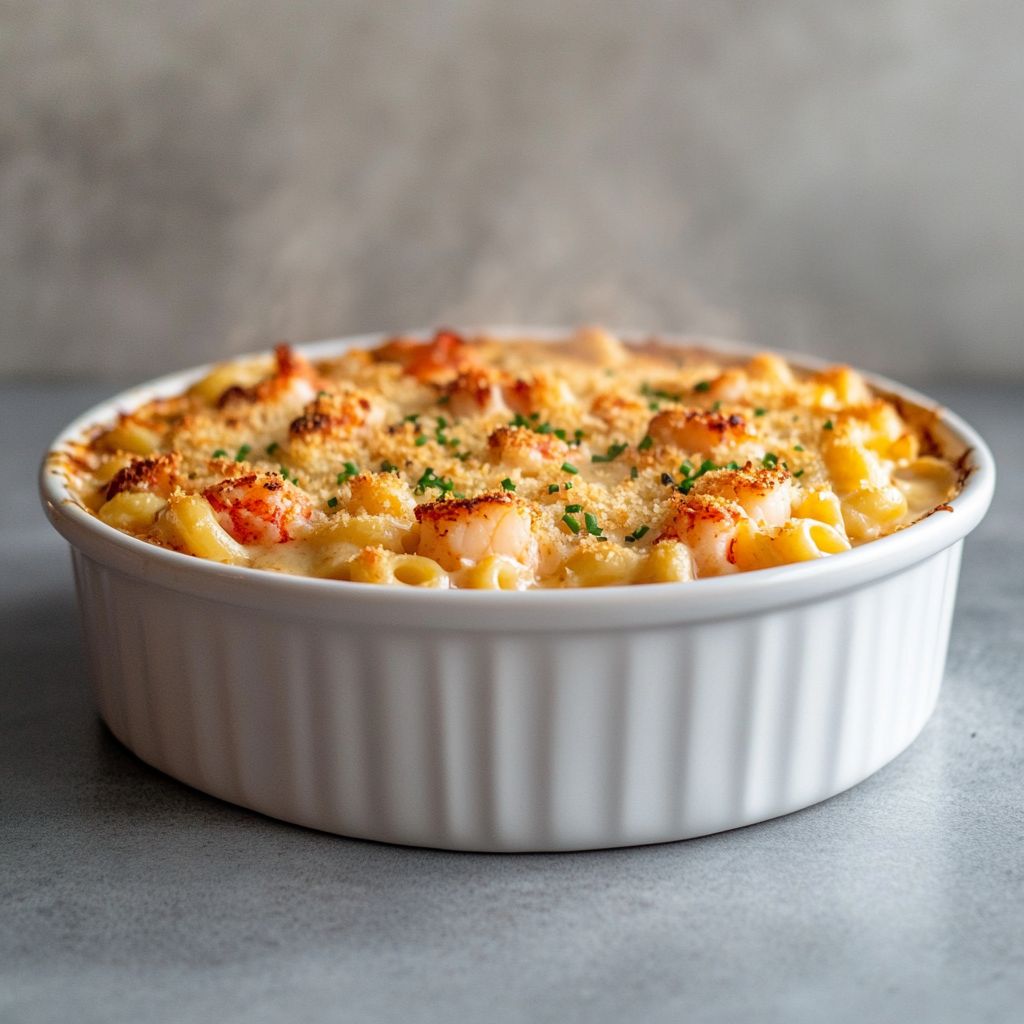
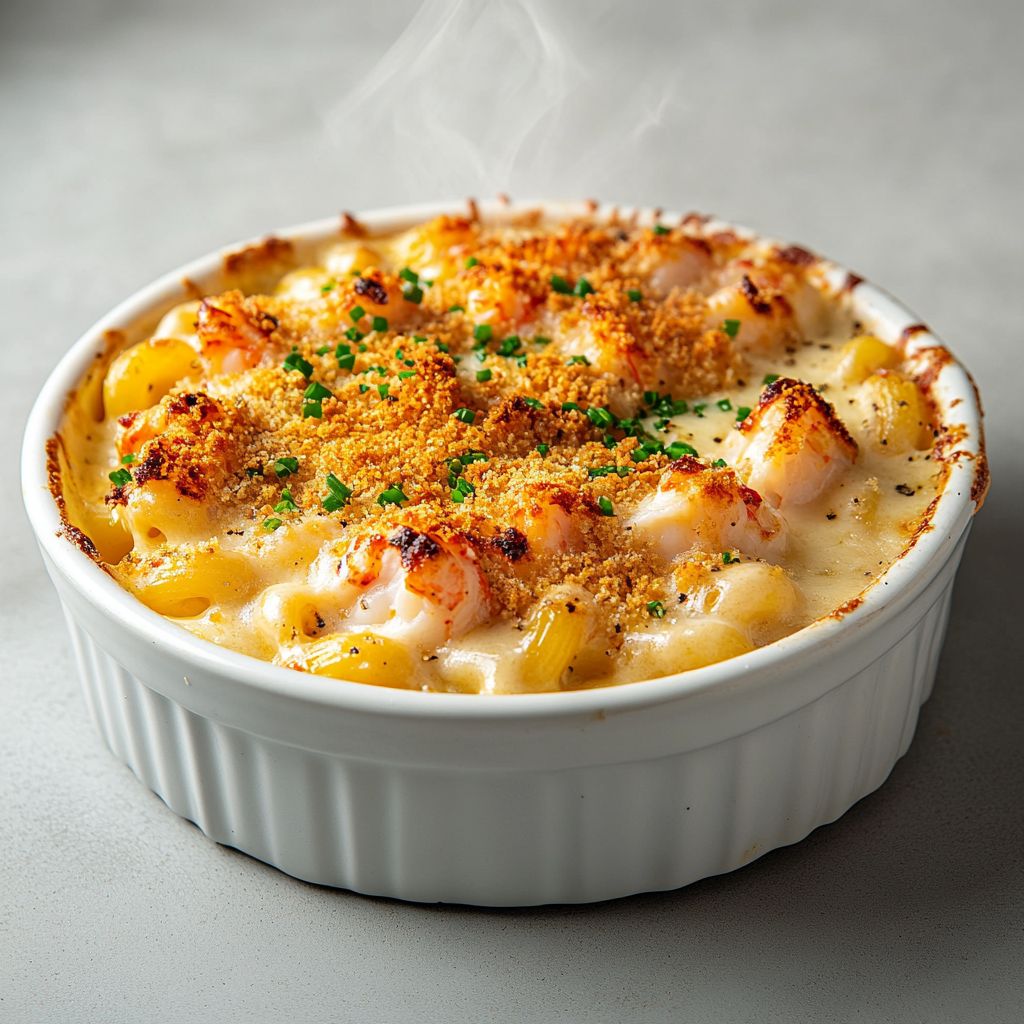
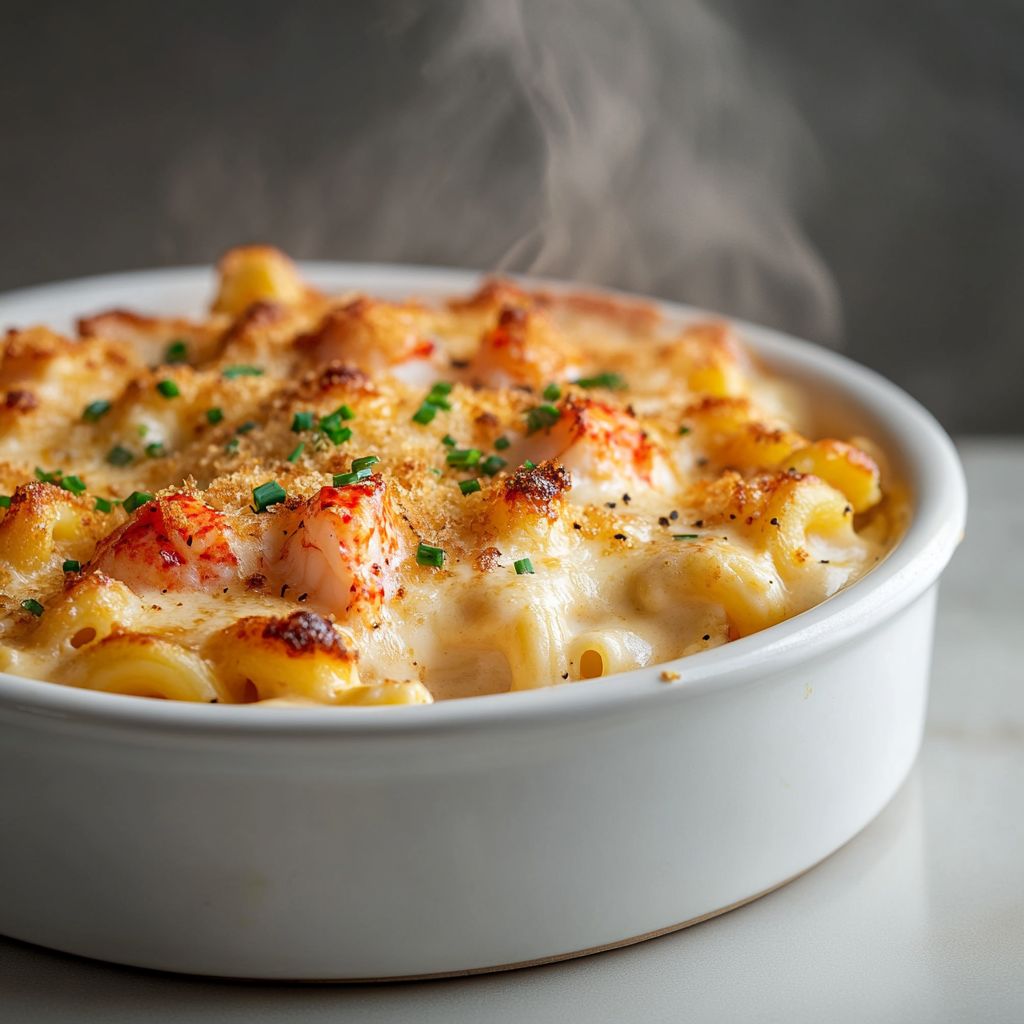
Texture plays a starring role. The interior should be luxuriously creamy, with the pasta fully coated but not overwhelmed by the sauce. The surface benefits from a light, buttery breadcrumb crust that turns crisp and toasty under high heat, offering a welcome contrast to the velvet center. When you scoop in, you should hear a gentle crack of the crust, followed by the soft surrender of the cheese-laced interior. Aromas—garlic, butter, and a hint of lemon—rise from the pan, inviting you to lean in for a closer look and a deeper inhale before the first bite.
Occasions & Pairings
This lobster mac and cheese shines on occasions that deserve a touch of luxury without sacrificing warmth. It’s equally at home on a family table during a special weekend dinner, a celebratory birthday meal, or a holiday spread that calls for something memorable yet comforting. If you’re entertaining, it’s a dish that can be prepared with a little advance planning and then finished in the oven with a short, high-heat blast to achieve that coveted crust.
Pairing is part of the experience. For drinks, a crisp, citrus-driven white wine such as Sauvignon Blanc or a lightly oaked Chardonnay complements the lobster’s sweetness and the cheese’s richness. If you prefer something with more acidity, a dry sparkling wine or Prosecco can cut through the richness beautifully. For a non-alcoholic route, a chilled sparkling apple cider or a lemony iced tea with a hint of dill mirrors the dish’s briny brightness.
Side dishes can be as simple as a bright green salad with a tangy vinaigrette to balance the creaminess, roasted asparagus with lemon, or a light tomato and cucumber salad for freshness. A simple, lightly dressed slaw or a fennel salad can also pair nicely, adding crunch and peppery bite to contrast the softness of the main course. For a more complete seafood-forward menu, consider a light shellfish starter or a delicate crusty baguette to dip into the luscious sauce.
Tips, Variations & Substitutions
Make it your own
- Cheese combinations: The classic approach uses a blend of sharp cheddar with a nutty cheese like Gruyère or fontina. You can experiment with a touch of Parmesan for salt and umami, or a blue cheese crumble folded in sparingly for a bold finish.
- Breadcrumb crust: For extra crunch and color, mix breadcrumbs with a little melted butter and a pinch of paprika or lemon zest before sprinkling on top.
- Herbs and aromatics: A whisper of fresh thyme, chives, or tarragon can brighten the overall flavor without overshadowing the lobster.
- Mustard and citrus: A small amount of Dijon and a hint of lemon zest lift the dish, keeping the richness from feeling cloying.
Dietary variations
- Gluten-free: Use gluten-free pasta and ensure any breadcrumbs are gluten-free. The sauce itself is naturally gluten-free if you skip any flour-based thickening beyond the roux, or you can use a gluten-free roux once per batch.
- Lactose-light option: Use lactose-free milk and cheeses, and salt to taste. The texture will remain creamy, though the mouthfeel may be slightly lighter.
- Low-carb alternative: Swap pasta for thinly sliced, blanched zucchini or spaghetti squash ribbons. You may need to adjust the sauce thickness, adding a touch more béchamel to coat the vegetables.
- Vegetarian note: If you want a lighter, non-seafood version, omit the lobster and boost the cheese and a handful of sautéed mushrooms for umami and texture. This still delivers a luxurious mac and cheese with a deeper, earthy profile.
Regional twists
- New England seafood twist: Fold in a touch of velouté and finish with a light drizzle of melted butter and lemon to echo a coastal fare.
- Spice note: A pinch of white pepper or a tiny amount of smoked paprika can add warmth that pairs well with seafood milk sauces.
Storage & Make-Ahead Ideas
To make entertaining easier, you can assemble the dish up to the final bake stage and refrigerate for several hours or even overnight. If you’re refrigerating, hold off on the breadcrumb topping until you’re ready to bake, so the crust stays crisp. Once baked, portions can be stored in an airtight container in the fridge for a couple of days. Reheat gently on the stovetop over low heat with a splash of milk to loosen the sauce, or reheat in a moderate oven, covered, until heated through and then uncover and finish with a brief under-broiler blast to re-crisp the top.
Freezing is possible but not ideal for texture. If you must freeze, freeze the assembled but unbaked dish in a well-wrapped container; thaw fully in the fridge before baking, then finish with the breadcrumb topping. Expect the texture to be slightly less supple after defrosting, but the flavors will still sing with the lobster’s sweetness and the cheese’s glow.
Make-ahead tips: Prepare the sauce and lobster up to the point of combining with pasta, then store separately. When you’re ready to cook, toss the hot pasta with the cooled sauce and lobster, transfer to a baking dish, top with breadcrumbs, and bake until everything is warmed through and the crust is golden. This can save you time on busy evenings while still delivering a restaurant-worthy finish.
Fun Facts & Trivia (Optional)
- Lobster was once considered the “poverty food” of colonial America and was often reserved for prisoners and servants; now it’s a coveted luxury, especially around festive occasions.
- Macaroni and cheese dates back to early European kitchens, but the modern American version with elbow pasta and a cheese sauce became popular in the 18th and 19th centuries, evolving into countless regional riffs—this lobster variation is one of the most elegant evolutions.
- Beurre monté and béchamel are age-old French techniques that lend this recipe a silky harmony. Mastery of the roux is what ensures the sauce coats the pasta without separating, even as it basks in cheese’s molten glow.
- A crusted top isn’t just for texture; it’s a signal to the senses—the crack of crisp breadcrumbs releasing a toasty aroma that rounds out the creamy center and invites another generous scoop.
- Pairing traditions matter: sparkling wines or a bright white with a touch of citrus can elevate shellfish-rich dishes by cleansing the palate between bites, making each mouthful feel as fresh as the first.
Ingredients
Lobster & Seafood
- – 1 lb (450 g) cooked lobster meat, chopped into bite-sized pieces
→ Lobster provides the star protein and rich, sweet flavor. Use fresh cooked meat from a lobster or fully thawed frozen meat if needed. Chop into uniform bite-sized pieces so every bite has lobster without large chunks that are hard to eat. If you have a mix of tail and claw, keep larger pieces from the tail intact for textural variety.
Pasta
- – 1 lb (450 g) elbow macaroni or small shells, dry
→ The pasta forms the body of the dish. Cook until al dente just before it’s fully tender to account for carryover cooking when folded into the hot cheese sauce. Reserve 1/2 cup pasta water to loosen the sauce if needed. Do not rinse after boiling to keep starch for emulsification.
Cheese Sauce Base
- – 4 tablespoons (1/4 cup) unsalted butter
→ Base fat to create a smooth roux that thickens the cheese sauce. Melt gently over medium-low heat to avoid browning; whisk in flour to form a light, sandy roux that will not taste floury. - – 1/4 cup all-purpose flour
→ Acts as the thickening agent forming the roux with butter. Sift to remove lumps if necessary and cook briefly (1–2 minutes) to remove raw flour taste before adding liquids. - – 2 cups whole milk
→ Provides body and creaminess to the cheese sauce without making it overly rich. Warm before whisking into the roux to prevent curdling; if you only have 2% milk, you may thicken with extra cheese and a splash of cream. - – 1 cup heavy cream
→ Adds luxurious silkiness and helps stabilize the emulsified cheese sauce. For a lighter version, substitute an additional 1/2 cup milk but add a bit more cheese to maintain creaminess. - – 2 cups shredded sharp cheddar cheese
→ Provides bold cheddar flavor and a gooey melt. Shred from a block rather than using pre-shredded to avoid anti-caking agents that can hinder melting. Stir in gradually over low heat to prevent oil separation (the “oil slick”). - – 1 cup shredded Gruyere or fontina cheese
→ Adds subtle nuttiness and a mellower melt that complements the cheddar. Gruyere and fontina melt smoothly and contribute creaminess without overpowering the lobster. Use freshly shredded for best texture. - – 2 oz cream cheese (optional)
→ Extra creaminess and a silkier sauce; this helps emulsify and stabilize the cheese melt. Soften at room temperature before whisking into the sauce to avoid clumping. - – 1 teaspoon Dijon mustard
→ Brightens the cheese sauce and helps balance richness with a slight tang. Stir in with the roux before adding milk to distribute evenly. - – 2 cloves garlic, minced
→ Adds aromatic depth that complements the lobster. Sauté in the butter with the roux for a minute to release the aroma; for milder garlic, blanch briefly in warm milk rather than sautéing with butter. - – 1/4 teaspoon ground white pepper or black pepper
→ Enhances seasoning without adding color; white pepper keeps a clean sauce look. Adjust to taste after sauce thickens. - – Pinch of ground nutmeg
→ Classic mac and cheese flavor note that adds warmth and rounds the cheese. Use freshly grated nutmeg if possible for a more vibrant aroma. - – 1/4 teaspoon paprika or optional cayenne
→ Adds a hint of color and subtle warmth; adjust to heat tolerance. Cayenne will make the dish spicier; paprika is milder for a more family-friendly version. - – Salt to taste
→ The sauce will need salt to bring out the cheese flavors; add gradually after tasting the sauce since the cheese may already be seasoned. Remember the pasta water likely contains salt too, so adjust accordingly.
Toppings & Finish
- – 1 cup panko breadcrumbs
→ Creates a crunchy top layer when baked. For extra crunch, mix with the melted butter before sprinkling over the dish; use light, dry breadcrumbs to avoid sogginess. - – 2 tablespoons unsalted butter, melted
→ Binds breadcrumbs with fat for a crisp, golden topping. Drizzle over breadcrumbs and toss to coat evenly if using buttered breadcrumbs; this helps achieve uniform browning in the oven. - – 1/4 cup grated Parmesan (optional)
→ Adds a sharp, salty note that complements the lobster and cheese sauce. Combine with breadcrumbs or sprinkle on top just before baking for a crisp crust. - – 2 tablespoons chopped fresh parsley (optional)
→ Fresh herb finish that brightens the dish and adds color. Add after baking for a fresh aroma, or mix into the breadcrumbs for a green speckle throughout the top.
Seasonings & Aromatics
- – 1 teaspoon Old Bay seasoning (optional)
→ Classic seafood seasoning that enhances the lobster flavor without overpowering the dish. Use sparingly and adjust to taste; omit if you prefer a milder flavor or if you have dietary restrictions. - – Salt and black pepper to taste
→ Essential seasoning to balance the rich sauce and seafood. Season gradually, tasting as you go, because the lobster and cheese both contribute saltiness. Use white pepper if you want minimal visibility in the sauce. - – Zest of 1 lemon (about 1 teaspoon)
→ A bright citrus note that cuts fatty richness and refreshes the palate. Add to the sauce early for integrated aroma or sprinkle over the baked dish just before serving for a clean citrus aroma. - – 1 tablespoon lemon juice (optional)
→ Adds a touch of acidity to balance the richness; add at the end to taste to avoid curdling the sauce. Use fresh lemon for best brightness.
Instructions
- Preheat your oven to 350°F (175°C) and lightly grease a 9×13-inch baking dish or line it with parchment; this ensures even heat transfer and easy removal of the finished dish.
→ A well-prepared pan prevents sticking and promotes uniform browning across the top and edges. - Bring a large pot of salted water to a rolling boil and cook the pasta until just al dente, about 1–2 minutes before the package directions; reserve 1/2 cup of the starchy pasta water and do not rinse the pasta.
→ Starch on the surface helps the sauce emulsify and cling to the noodles; the reserved water can loosen the sauce if it thickens too much. - Prepare the lobster meat by patting dry and ensuring bite-sized pieces; if tail pieces are larger, keep them a bit bigger for texture but trim any cartilage or shell fragments for clean bites.
→ Uniform pieces ensure even distribution and pleasant mouthfeel in every forkful. - In a heavy-bottom saucepan, melt 4 tablespoons (1/4 cup) unsalted butter over medium-low heat and whisk in 1/4 cup all-purpose flour to form a light roux; cook for 1–2 minutes, whisking constantly, until the mixture is pale and not browned.
→ The roux thickens the sauce and provides a smooth foundation without raw flour taste; avoid browning to keep the sauce silky. - Add the minced garlic to the roux and sauté for about 30–60 seconds until fragrant; keep the heat moderate to prevent scorching and bitterness.
→ Garlic flavor should be aromatic and integrated, not burnt, which would impart a bitter note to the sauce. - Whisk in 2 cups whole milk and 1 cup heavy cream gradually, heating the mixture until it is steaming and begins to thicken; do not boil vigorously to prevent curdling and separation.
→ A gentle simmer thickens the béchamel while preserving a glossy, cohesive sauce that coats the pasta evenly. - Stir in 1 teaspoon Dijon mustard, 1/4 teaspoon ground nutmeg, 1/4 teaspoon paprika (or cayenne if you want heat), and 1/4 teaspoon white pepper; season with salt to taste, and add 1 teaspoon lemon zest; consider adding up to 1 teaspoon Old Bay for a classic seafood kiss.
→ These aromatics sharpen and balance the richness, with lemon zest brightening the sauce and Old Bay enhancing the lobster’s flavor without overpowering it. - Reduce the heat to low and gradually fold in 2 cups shredded sharp cheddar and 1 cup shredded Gruyère (or fontina); if using 2 oz cream cheese, whisk it in after softening at room temperature; continue stirring until the cheese is completely melted and the sauce is smooth.
→ Gentle cheese incorporation prevents oil separation and yields a velvety, cohesive sauce that clings to the pasta. - If the sauce seems too thick, loosen with small additions of the reserved pasta water or a splash of milk, mixing until the sauce coats the back of a spoon; taste and adjust salt as needed since the cheese and lobster will contribute saltiness.
→ Proper thickness ensures a luscious coating without weighing down the pasta, and tasting early avoids over-salting later. - Gently fold in the lobster meat until evenly distributed, then fold in the drained pasta, using tongs to lift and turn until every noodle is coated with sauce.
→ Gentle folding preserves the lobster texture and ensures even sauce coverage on every bite. - Spread the lobster-cheese mixture into the prepared baking dish in an even layer; this promotes uniform heating and caramelization around the edges.
→ A level surface ensures consistent baking and a cohesive slice when serving. - Prepare the topping by mixing 1 cup bread crumbs (panko preferred) with 2 tablespoons melted butter and 1/4 cup grated Parmesan; evenly sprinkle the topping over the pasta; optional fresh parsley can be stirred into the crumbs for color.
→ The buttery breadcrumbs create a crisp, golden crust that contrasts with the creamy interior, enhancing texture and flavor. - Bake in the 350°F (175°C) oven for 20–25 minutes, until the top is golden and the filling is bubbling around the edges; if you desire a deeper crust, broil for 1–2 minutes at the end, watching closely to prevent burning.
→ Baking sets the sauce and cheese, while a brief broil deepens browning for a professional, restaurant-style finish. - Remove from the oven and allow the dish to rest for 5–10 minutes before serving to help the sauce set slightly for clean slicing; garnish with extra lemon zest or chopped parsley if desired.
→ Resting improves portioning and helps the sauce re-bind, making each serving smoother and more visually appealing.
Notes
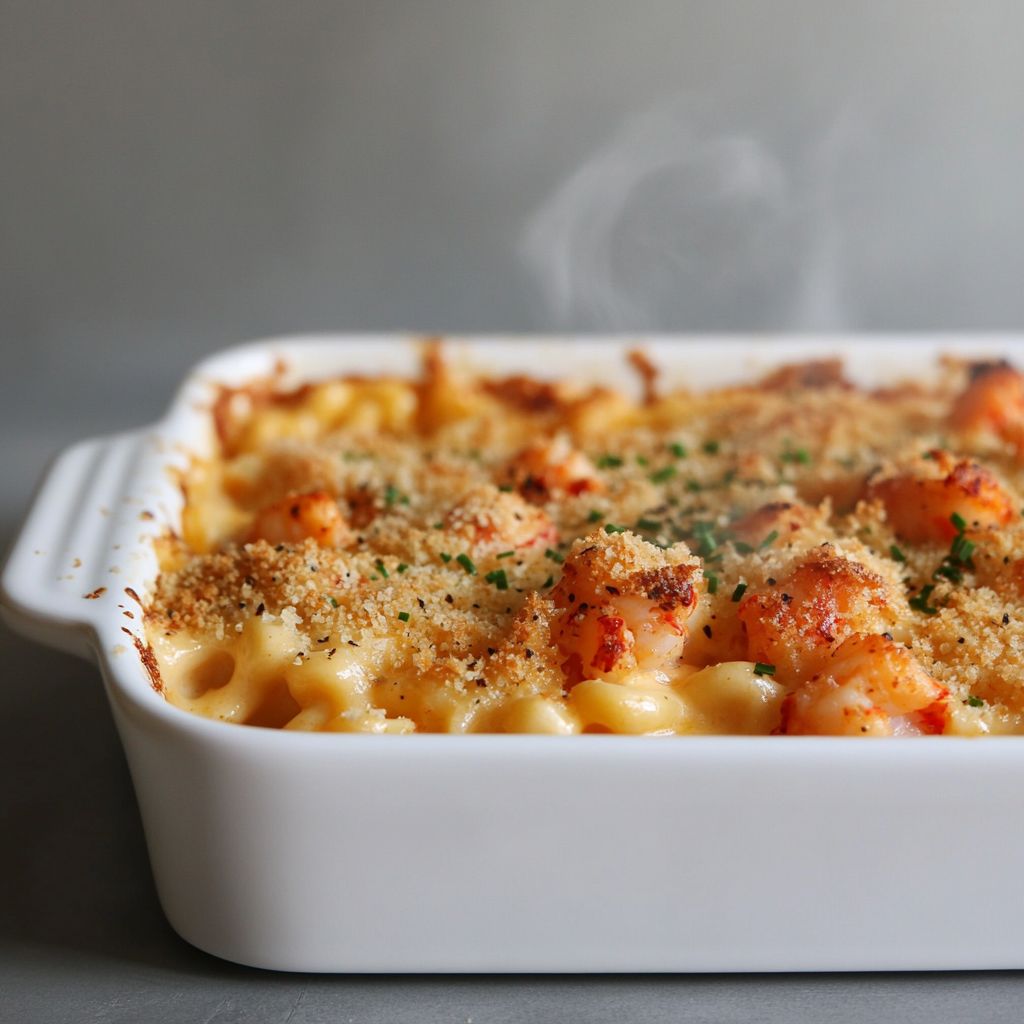
This lobster mac and cheese is a luxurious, crowd-pleasing dish that pairs succulent lobster with a silky three-cheese sauce. For best texture, use freshly cooked lobster meat chopped into bite-sized pieces and keep larger tail pieces intact for variety. Cook the pasta to al dente and reserve 1/2 cup of the pasta water; do not rinse after boiling to preserve starch that helps emulsify the sauce. Melt the butter gently to form a light roux, whisk in the flour, then whisk in warm milk and heavy cream before gradually melting in cheddar and Gruyere (or fontina) to create a smooth, glossy sauce. Finish with Dijon, minced garlic, white pepper, a pinch of nutmeg, and a touch of paprika or cayenne, then season with salt to taste after tasting, since the lobster and pasta water contribute saltiness. A bright note from lemon zest and lemon juice helps cut the richness and keep the dish vibrant.
Tips for texture and adaptations: to make this gluten-free, use gluten-free pasta and replace the all-purpose flour with a gluten-free flour blend or a light cornstarch slurry; omit or replace the breadcrumbs with gluten-free crumbs. If you prefer a lighter version, reduce the butter and cream and compensate with more milk while maintaining enough cheese for creaminess. For a crisp top, toss panko with melted butter and a little Parmesan, then bake until golden, or finish with a quick broil. Leftovers store well in the refrigerator for up to 3 days and reheat gently in the oven or on the stove with a splash of milk to restore creaminess. Finish with extra lemon zest and chopped parsley for a fresh aroma just before serving. Always taste and adjust salt at the end, since cheese and lobster can vary in saltiness.
Tips
Tips for Lobster Mac and Cheese
1) Lobster selection and prep
- Use fresh-cooked lobster meat when possible for the best flavor; fully thaw frozen meat and pat dry before using.
- Chop lobster into uniform bite-sized pieces so every bite has lobster, and reserve some larger tail pieces for textural variety.
- If you have mixture of tail and claw meat, keep larger tail chunks intact for visual appeal and chew.
2) Pasta preparation
- Cook the pasta until just under al dente; it will finish cooking in the hot sauce and baking step.
- Reserve 1/2 cup of the starchy pasta water to loosen the sauce if needed.
- Do not rinse the pasta after boiling to keep starch that helps emulsify the cheese sauce.
3) Making a smooth cheese sauce (roux-based)
- Melt butter over medium-low heat to avoid browning; whisk in flour to form a light roux that won’t taste raw.
- Warm the milk and cream before adding to the roux to prevent curdling and help the sauce emulsify smoothly.
- Add cheeses gradually, off the heat if possible, to prevent oil separation and ensure a glossy sauce.
- Stir in Dijon mustard early to distribute its tang evenly; add garlic with the roux so it releases aroma without burning.
- Keep heat low to medium and avoid boiling once the cheese is melted to prevent separation.
4) Seasoning and balancing flavor
- Season gradually; the cheese and lobster add salt, so adjust salt at the end after tasting the sauce.
- White pepper keeps a clean look in the sauce; nutmeg adds warmth—use freshly grated if possible.
- Old Bay is optional but enhances seafood flavor; lemon zest brightens the dish, and lemon juice can be added at the end to taste to avoid curdling.
5) Incorporating lobster with the sauce
- Fold lobster into the hot sauce off the heat to avoid overcooking the meat; reserve some pieces for topping if desired.
- Be gentle when mixing to prevent broken pieces from turning mushy.
6) Topping and finishing nicely
- For a crunchy top, use panko breadcrumbs mixed with melted butter; a sprinkle of Parmesan adds extra toasty flavor.
- Uniformly coat breadcrumbs with melted butter to promote even browning; bake uncovered until golden and crisp.
- Fresh parsley adds color and brightness—stir in after baking or sprinkle on top just before serving.
7) Seasonings and aromatics
- Adjust Old Bay to taste; it enhances seafood flavor without overpowering the cheese.
- Lemon zest and juice provide a refreshing contrast to the richness—add zest early for integrated aroma or finish with a squeeze just before serving.
8) Make-ahead, storage, and reheating
- Prepare components ahead: sauce, pasta, and lobster; assemble just before baking if you want a crisp topping.
- Leftovers store well in the fridge for 2–3 days; reheat gently in the oven with a splash of milk to restore creaminess.
FAQ
What is lobster mac and cheese?
A luxurious comfort dish that folds tender lobster meat into a creamy, cheesy sauce with pasta, usually finished with a buttered breadcrumb topping and baked until bubbly and golden.
What ingredients do I need?
Common ingredients include:
- 1 lb lobster meat (about 2 cups chopped)
- 1 lb pasta (elbow macaroni or shells)
- 2 cups milk and 1 cup heavy cream
- 4 tbsp butter and 4 tbsp flour (for a roux)
- 2–3 cups shredded cheese (a mix of sharp cheddar with Gruyère or fontina; finish with parmesan)
- 2 garlic cloves (optional)
- Salt, pepper, and a pinch of cayenne or paprika
- 1/2 cup dry white wine (optional)
- 1/2 cup breadcrumbs and 1–2 tbsp melted butter (topping)
- Fresh herbs like thyme or chives (optional)
Should I use fresh lobster or can I use pre-cooked?
Fresh lobster yields the best texture and flavor. You can use pre-cooked lobster meat or frozen lobster; thaw thoroughly and pat dry before adding to the pasta. If using live lobsters, boil or steam until just cooked, then remove meat.
How do I make the cheese sauce (béchamel)?
Make a smooth béchamel:
- In a saucepan, melt 4 tbsp butter over medium heat.
- Whisk in 4 tbsp flour to make a roux; cook 1–2 minutes (do not brown).
- Gradually whisk in 2 cups milk and 1 cup cream; simmer until thick and smooth.
- Season with salt, pepper, garlic, and a pinch of cayenne or paprika. Remove from heat and gradually stir in the shredded cheeses until melted. Add white wine if using for extra brightness.
How do I bake lobster mac and cheese?
Steps:
- Cook pasta in salted water until just under al dente, then drain.
- Fold the lobster meat into the cheese sauce, then combine with the hot pasta.
- Transfer to a buttered baking dish. Mix breadcrumbs with melted butter and parmesan, then sprinkle on top.
- Bake in a preheated 375–400°F (190–200°C) oven for 15–25 minutes, until bubbling and golden. For extra crust, broil briefly at the end.
How do I prevent the sauce from separating or curdling?
Tips:
- Keep heat moderate and cook the béchamel slowly; don’t boil once the cheese is added.
- Add cheese gradually off the heat to prevent clumping, and use a smooth, well-emulsified sauce.
- Stir pasta and lobster into the sauce gently to avoid breaking the sauce.
Can I make this ahead or freeze it?
Yes:
- Make the sauce and lobster up to a day ahead, then refrigerate. Assemble with pasta just before baking.
- For freezing, freeze the assembled unbaked dish tightly wrapped. Thaw overnight in the fridge, then bake as directed (add 5–10 minutes if chilled).
- When freezing, you may need a bit more liquid or a longer bake time to ensure the center is heated through.
What substitutions or variations work (gluten-free, dairy-free, etc.)?
Variations:
- Gluten-free: use gluten-free pasta and gluten-free breadcrumbs.
- Dairy-free: use dairy-free milk (almond, oat, or soy) and dairy-free cheese; use a dairy-free butter or oil and a gluten-free roux (starch-based sauce).
- Flavor twists: add a pinch of truffle oil, smoked paprika, or a splash of white wine for depth; folded in finely chopped herbs for brightness.
What cheeses work best and how much should I use?
Best melting combo: 2 cups sharp cheddar for bite + 1 cup Gruyère or fontina for melt, finished with ½ cup grated Parmesan for depth. Total cheese: about 2–3 cups, adjust to taste. Use grated or shredded cheeses for smooth melting.
How do I store leftovers and reheat them?
Storage and reheating tips:
- Cool to room temperature, then refrigerate in an airtight container up to 3–4 days.
- Reheat in a 350°F (175°C) oven for 15–20 minutes, covered with foil, until hot and bubbly. Re-crisp the top under the broiler for 1–2 minutes if desired.
- Microwave reheats quickly but can make the top soggy; if using, cover and heat in short intervals.