Introduction / Hook
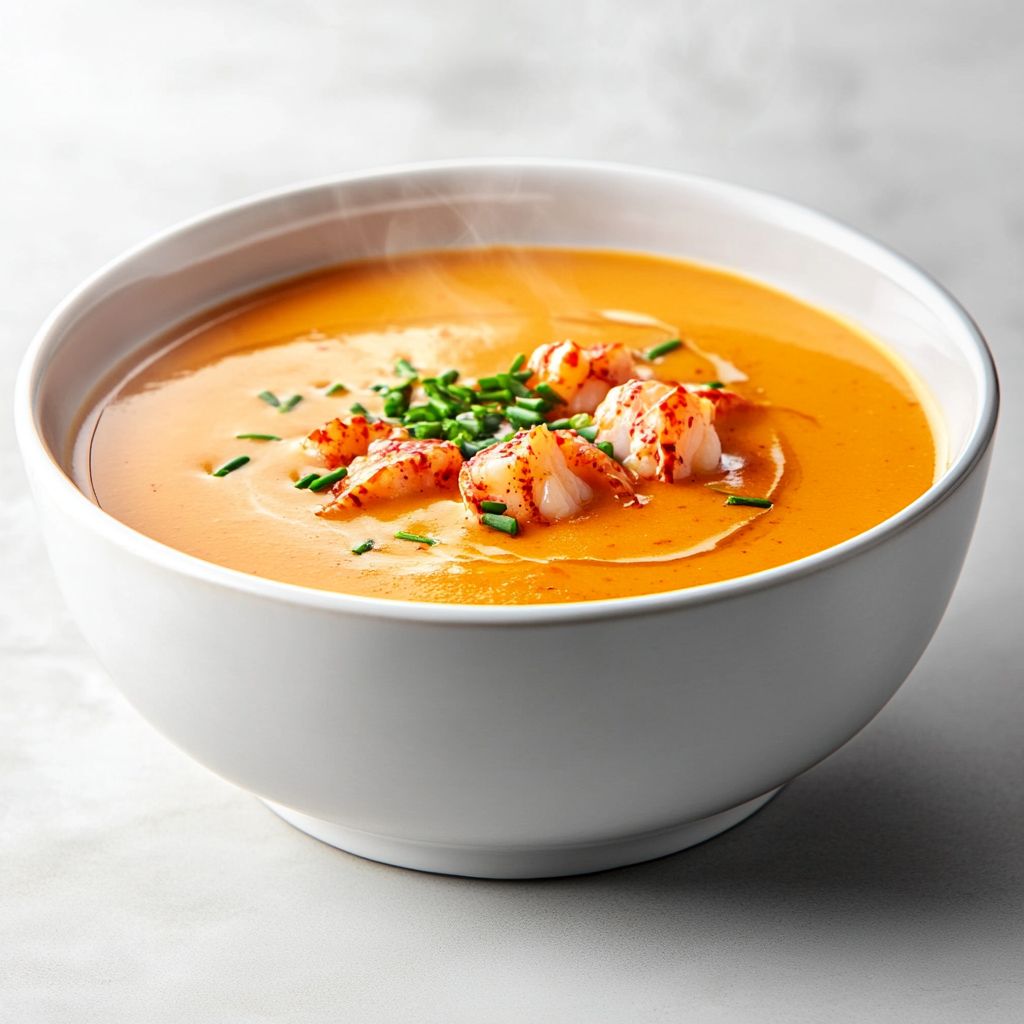
In the hush of a candlelit table, a copper pot sighs with a perfume of sea salt and roasted shells. A swirl of cream catches the light, turning the surface into a pale caramel tapestry. This is lobster bisque—a dish that feels like a coastal legend and a kitchen’s quiet triumph all at once. When you lift a spoonful, first comes the brightness of the sea—briny lobster notes with a whisper of cognac or madeira—then a velvet hug of cream that coats the palate without heaviness. It’s the kind of soup that makes a moment feel elevated, even on a weeknight, and yet it carries the whisper of dinner party grandness in every sip. The beauty of lobster bisque lies in its balance: the intensity of a shellfish stock tempered by dairy richness, the sweetness of lobster meat rising against a backdrop of roasted aromatics, and a finish that glints with a kiss of citrus or herb. If you’ve ever craved something that feels indulgent but refined, familiar yet unfamiliar, this bisque welcomes you with open arms and the promise of a sensorial voyage—creamy, bright, ocean-fresh, and utterly comforting.
Imagine the kitchen filled with the soft sigh of simmering shells, the nutty warmth of toasted aromatics, and the subtle crackle of a chef’s favorite pan, all converging into a single spoonful. Lobster bisque invites you to slow down, savor, and indulge in the kind of depth that only time can coax from humble ingredients. It’s a dish that can conjure a memory of seaside markets, a grandmother’s cookbook, or a first fancy dinner date—the kind of memory you chew on long after you’ve finished the last bite. The recipe you’re about to explore is less about chasing perfection and more about honoring generous ingredients with a technique that respects their essence: extracting every drop of flavor from lobster shells, coaxing sweetness from mirepoix and tomato, and finishing with cream that glows like morning light on a calm sea. If you’re ready to treat yourself and your guests to a voyage of aroma, texture, and nuance, this lobster bisque is your vessel.
The Story Behind the Dish
Lobster bisque sits at an intersection of maritime abundance and French culinary finesse. The word “bisque” is steeped in history and rumor, often traced to old European kitchens where the shells of crustaceans were not wasted but transformed into something greater than the sum of their parts. One prevalent theory suggests that bisque traces its name to the French phrase bis cuites, meaning “twice-cooked,” a nod to the careful, layered process of extracting flavor from shells and then refining it into a smooth, luxurious soup. Others associate it with a time when cooks were keen to stretch every morsel of seafood into a comforting, nourishing bowl for sailors, travelers, and families alike. Regardless of etymology, the technique has endured because it works: shells are roasted or sautéed to unlock deep, roasted sweetness; they’re simmered to yield a robust stock; and then the stock is enriched and refined to lacquer the palate with a silk-smooth texture.
The lobster bisque that has become a modern classic blends technique with a touch of opulence. In traditional preparations, the shells are simmered with aromatics, often a hint of tomato paste for color and acidity, and sometimes a splash of brandy or cognac to lift the freshwater-like sweetness of seafood with a flinty, bright note. The result is a deeply flavored stock that, after straining, is sometimes thickened with a small amount of rice or a classic roux—though contemporary versions often rely on emulsification or careful reduction to achieve their characteristic creaminess. In many coastal regions, bisque is as much a memory as a recipe: a family’s version passed down through generations, each generation adding its own signature flourish—whether a squeeze of citrus, a whisper of fennel, or a final swirl of cream that makes the surface gleam like satin.
Nova Scotia, Maine, Brittany, and Normandy each lay claim to the spirit of bisque in their seafood traditions. In New England kitchens, the bisque tradition often borrows the lobster’s own sweetness, letting it mingle with butter, wine, and cream to create a bowl that feels both celebratory and homely. In French kitchens, the emphasis lies in a velvety texture and a refined balance—shellfish stock that’s deeply savory yet bright, with dairy tones that soften the intensity without dulling the shellfish character. The modern lobster bisque you’ll discover here is a respectful blend of those lineages: the stock is robust, the texture limned with cream, and the finish polished with a hint of aromatics and a final kiss of warmth. It’s a dish that honors the sea’s generosity while celebrating the craft of the kitchen—patience, precision, and a little bit of showmanship, all coming together in a single spoonful.
Why You’ll Love This Recipe
- Luxurious texture with silky, spoon-coating richness that feels indulgent but not heavy.
- Deep, resonant seafood flavor built from a well-developed lobster stock, with just the right amount of sweetness from aromatics and a bright finish from citrus or wine.
- Versatile and crowd-pleasing for special occasions, dinner parties, or romantic nights at home.
- Relatively approachable for home cooks who want to explore French techniques without a daunting list of steps.
- Make-ahead friendly: you can prepare elements in advance, then finish into a perfect bisque when guests arrive.
- Customizable to fit dietary needs or preferences with thoughtful substitutions (vegan, gluten-free, dairy-free options available).
- Beautiful as a course centerpiece or a luxurious starter that sets the tone for a memorable meal.
- Pairs wonderfully with a range of beverages and sides—from crisp white wines to crusty bread with butter—enhancing the meal rather than competing with it.
Flavor Profile & Texture
At first touch, lobster bisque greets you with a gentle wave of sea-salt air and roasted complexity. The aroma alone is enough to conjure a coastal market at dawn—the brine of lobster, the sweetness of caramelized onions and celery, and the murmured warmth of garlic and herbs sautéed in butter. The stock carries a profound depth, a result of simmering lobster shells long enough to extract every ounce of seasoning and mineral from their hulls. When the liquid is strained and enriched, the texture becomes silk, a luscious velvet that glides across the tongue rather than clinging to it. The cream–stock relationship is a careful dance: dairy smooths the edges, but it never hides the lobster’s identity. In your mouth, you’ll sense layers—savory core, a hint of sweetness, a spark of acidity or citrus, and a subtle, wine-like finish that lingers with grace.
The flavor notes unfold in stages. There’s the initial brininess—a reminder of the ocean’s vastness—balanced by the sweetness of the lobster meat itself. Then comes a toasty, roasted depth from the shells, often enriched by a touch of tomato that provides color and a gentle tang. The aromatics—onion, celery, carrot, perhaps a small amount of fennel or garlic—offer savory sweetness and a hint of herbaceous lift. A splash of cognac, sherry, or white wine introduces a bright, fruity note that brightens the palate and prevents the bisque from tipping into sameness. Finally, the finish carries a silky coat of cream, sometimes a final squeeze of lemon or a delicate herb note (tarragon or chives) that keeps the flavors expansive rather than heavy. In texture, imagine a silken custard-like soup that still feels buoyant enough to be ladled with ease, a color that glows amber or pale porcelain depending on the stock and cream ratio, and a mouthfeel that coats without feeling slick or greasy. It’s luxurious without being exhibitionist—an edible embrace that invites lingering, conversation, and, of course, second helpings.
Occasions & Pairings
Lobster bisque is a dish that signals celebration, but it also adapts beautifully to intimate weeknight dinners when you want to elevate the ordinary. It shines as a course for holiday menus, an enticing starter before a seafood platter, or a luxe main for a seafood-forward dinner. Its versatility makes it suitable for multiple settings:
- Holiday gatherings and special occasions where a dish with immediate wow-factor is welcomed.
- Romantic dinners at home, where slow, deliberate tasting and a refined plate elevate the evening.
- Dinner parties, where its impressive presentation proves a memorable opener that pairs well with wine and conversation.
- Weeknights when you crave comfort without sacrificing sophistication—especially when you’re cooking for guests who appreciate seafood.
Pairings enhance the bisque’s elegance. A crisp, well-chilled glass of champagne or a dry sparkling wine can echo the celebratory feel. For more traditional pairings, a Chardonnay with a little oak, a Meursault, or a White Burgundy complements the wine-like finish and the buttery texture beautifully. If you prefer a lighter touch, a Sauvignon Blanc with bright acidity can cut through the richness and lift the dish. For non-alcoholic pairings, a chilled cucumber-mint water or a lemon-ginger iced tea provides refreshing balance without competing with the soup’s depth. On the side, offer thin slices of toasted baguette brushed with melted butter and a whisper of garlic, or a light salad with citrusy vinaigrette to provide contrast and a refreshing finish to the course. A final note: avoid overpowering sauces or textures that compete with the bisque’s refined flavor profile. The goal is harmony, not distraction, so let the soup be the star of the plate.
Tips, Variations & Substitutions
Here are practical ideas to tailor lobster bisque to your pantry, mood, or dietary needs while preserving its soul:
- Stock first, flavor later: Build a rich lobster stock from shells, carrot, celery, onion, and a splash of white wine. Simmer slowly to draw out maximum depth, then strain for a clean base. This foundation sets the tone for the entire dish.
- Roux or no roux: Traditional bisque often uses a light roux to help thicken and emulsify. If you want to avoid gluten or prefer a lighter texture, you can thicken with a small amount of rice that has been simmered and pureed, or simply reduce the stock until it coats the spoon before adding cream.
- Finish with flair: A splash of cognac or brandy added toward the end of cooking brightens the dish and ties the seafood flavors together. If you’re avoiding alcohol, a touch of white wine vinegar or lemon zest can provide a similar lift.
- Dairy variations: Classic bisque uses cream, but you can adapt for dairy-free by using coconut cream or almond milk, adding a touch of olive oil or coconut oil to maintain richness. The flavor will skew slightly, but it stays luscious and velvety.
- Meat alternatives: If lobster isn’t available, you can use shrimp or scallops as a substitute, or create a “lobster-inspired” stock by infusing with seaweed for depth.
- Texture play: For an extra-smooth bisque, pass the blended mixture through a fine sieve or chinois. If you prefer a heartier bite, reserve some lobster meat in chunky pieces to be folded back in at the end.
- Color adjustments: If the stock looks pale, a teaspoon of tomato paste adds color and a gentle acidity; for a deeper hue, a small amount of burnt butter can contribute complexity (when used judiciously).
- Make-ahead approach: Prepare the stock and the base (sans cream) up to a day ahead. Reheat gently, finish with the cream, and add the lobster meat just before serving for a fresh, silky texture.
Storage & Make-Ahead Ideas
Like many refined soups, lobster bisque stores well and can be a time-saver for entertaining. Here are guidelines to keep flavor intact and texture at its best:
- Stock storage: Lobster stock can be made in advance and frozen for up to 3 months. Thaw in the refrigerator overnight before use, then rewarm gently.
- Bisque storage: The finished bisque can be refrigerated for 2–3 days. Reheat slowly over low heat, whisking to restore a smooth emulsion. Add cream at the last moment to prevent separation.
- Make-ahead workflow: If you’re entertaining, prepare the stock and aromatics ahead of time. On the day of service, reheat the stock, finish with the cream and any lobster meat, and serve promptly to preserve its silkiness.
- Freezing tips: If you must freeze the final bisque, freeze without dairy and add cream after thawing and reheating, warming gently to re-emulsify the texture.
- Ahead flavor boosters: A small amount of roasted aromatics, a squeeze of lemon, or a final splash of cognac right before serving can refresh the dish when made ahead.
Fun Facts & Trivia (Optional)
Did you know that bisque, by definition, should be a smooth, creamy soup typically made from shellfish? The term has become a culinary shorthand for luxurious seafood soups, but it originally denoted a specific method of preparation that extracted maximum flavor from crustaceans. Some chefs insist that a true bisque must be strained and then reintroduced to the shellfish meat, ensuring an even, refined texture without any graininess. The color of a classic lobster bisque, deep and amber-hued, is a visual cue to its intensity—the result of long, careful reduction and the natural pigments released by lobster shells during cooking.
Another fun note: lobster, once considered a mere “poverty food” in Europe, gained prestige over centuries as methods to capture and cook crustaceans evolved. Today, lobster bisque conjures images of seaside culinary elegance, often featured in menus that celebrate coastal ingredients and the artistry of French technique. In homes and restaurants alike, the dish serves as a bridge between rustic seafood stock and refined creaminess, a testament to how simple ingredients, when treated with patience and respect, can yield extraordinary comfort and sophistication.
Conclusion: A Dish That Feels Like a Moment
Lobster bisque is more than a soup; it’s an invitation to slow down, to savor the first fragrance that greets you when you lift your spoon, and to linger over the last, luxurious mouthful. It holds a memory of the sea and a promise of warmth, a touch of elegance without ceremony, and a sense that a well-made dish can turn an ordinary evening into something worthy of celebration. Whether you’re serving it to guests who expect a showstopper or to loved ones who deserve a little extra care, this bisque offers that rare balance: indulgence that nourishes, finesse that comforts, and techniques that empower you to create something truly memorable. Embrace the ritual—the roasting, the simmering, the emulsifying—and let the result be a tribute to sea, season, and the joy of sharing good food.
Ingredients
Lobster Bisque Base
-
– 1 1/2 pounds cooked lobster meat, chopped into bite-sized pieces
→ This is the star of the dish, providing both texture and luxurious lobster flavor. Use a mix of claw and tail meat for variety and color. If your lobster meat is refrigerated, pat it dry to remove excess moisture before adding to the bisque to prevent thinning. Reserve a few larger chunks for garnish just before serving.
– Lobster shells from 1-2 lobsters, cleaned and cracked to expose the interior
→ The shells are simmered to extract maximum lobster flavor and deep color for the stock. Roasting the shells lightly in a dry pan for 5–8 minutes before simmering intensifies the sweetness and umami. Strain the shells out well to keep the bisque velvety.
Base & Aromatics
-
– Unsalted butter, 3 tablespoons
→ Butter provides a rich fat base to sauté aromatics and, if you make a roux, to help thicken the bisque. Using unsalted butter lets you control the final seasoning more precisely. Melt gently to avoid browning; you want sheen and aroma, not color.
– Extra-virgin olive oil, 1 tablespoon
→ Olive oil raises the smoke point and prevents the butter from burning during sweating of vegetables. It also adds a light fruity note that complements seafood flavor.
– Yellow onion, 1 medium, finely chopped
→ Onions form the sweet, foundational base of the flavor. Sweat slowly until translucent to release their sugars without browning, which keeps the bisque smooth and balanced.
– Celery stalks, 2, finely chopped
→ Celery provides subtle earthiness and crunch to the early stage; it also adds depth to the aroma as the mixture sweats. Dice finely so it dissolves pleasantly into the stock during simmering.
– Carrot, 1 medium, finely chopped
→ Carrot adds gentle sweetness and color, helping to balance the seafood richness. Chop small so it cooks evenly with the other aromatics.
– Garlic, 2 cloves, minced
→ Garlic delivers a sharp, warming aroma that lifts the seafood flavors. Mince finely so it distributes evenly without biting into chunks in the bisque.
– Tomato paste, 2 tablespoons
→ Tomato paste adds depth, color, and a subtle sweetness that complements the shellfish flavor. Cook it with the aromatics for a minute to mellow its rawness and bring out its umami.
– All-purpose flour (or gluten-free flour), 1–2 tablespoons
→ Used to form a light roux with the butter, giving gentle body and helping the bisque cling to the lobster meat. If avoiding gluten, use a gluten-free flour blend; cook until the raw flour taste disappears.
– Dry white wine, 1/2 cup
→ Deglazes the pan, lifting fond from the vegetables and shells while introducing acidity that brightens the rich flavors. Simmer briefly after adding to reduce and concentrate the aroma.
– Brandy or cognac, 2–3 tablespoons (optional)
→ A classic enhancement for shellfish soups, adding depth and a touch of sweetness. If you choose to use it, stir in before adding stock and allow to cook off the alcohol for a minute or two.
Stock & Flavor Build
-
– Lobster stock or seafood stock, 4 cups (preferably unsalted)
→ The primary liquid that carries the bisque’s seafood-forward flavor. If you’ve boiled shells, you should have stock on hand; otherwise, simmer shells with aromatics to make a fresh stock. Strain well to keep the texture velvety.
– Water, as needed to adjust consistency
→ Use to reach the desired thickness after simmering and straining the stock. Add gradually to avoid thinning the bisque too much; you can always reduce again by simmering longer if it’s too thin.
– Bay leaf, 1
→ A subtle, fragrant note that rounds out the aromatics. Remove before blending or serving to avoid an overpowering herbal edge in the final dish.
– Fresh thyme, 2–3 sprigs (or 1/2 teaspoon dried)
→ thyme adds a woodland, herbal nuance that complements seafood beautifully. If using dried thyme, crush slightly between your fingers to release essential oils before adding.
– Salt, to taste
→ Essential to balance the sweetness of vegetables and the richness of the cream. Start with a small amount and taste as you go, especially if your stock is salted.
– Freshly ground black pepper, to taste
→ Adds a gentle bite that helps lift the lobster flavors. Grind fresh just before serving for maximum aroma and brightness.
– Smoked paprika or cayenne pepper, 1/8–1/4 teaspoon (optional)
→ A light pinch can introduce a subtle warmth and a hint of smokiness without overpowering the delicate seafood notes. Use sparingly if you’re sensitive to heat.
Finish & Garnish
-
– Heavy cream, 1/2–1 cup
→ Stirred in at the end to enrich and emulsify the bisque, giving a luxurious, silky texture. If you prefer a lighter version, you can use half-and-half or a splash of cream, but full cream yields the classic velvety finish.
– Fresh lemon juice, 1 teaspoon
→ A small touch of brightness to cut through the richness and highlight the seafood sweetness. Add after tasting to avoid over-acidifying the soup.
– Fresh chives or tarragon, finely chopped for garnish (optional)
→ Adds a fresh, herbaceous contrast and a pop of color. Chives give a mild oniony note; tarragon delivers delicate anise-like brightness that pairs well with seafood.
– Reserved lobster meat for garnish (optional)
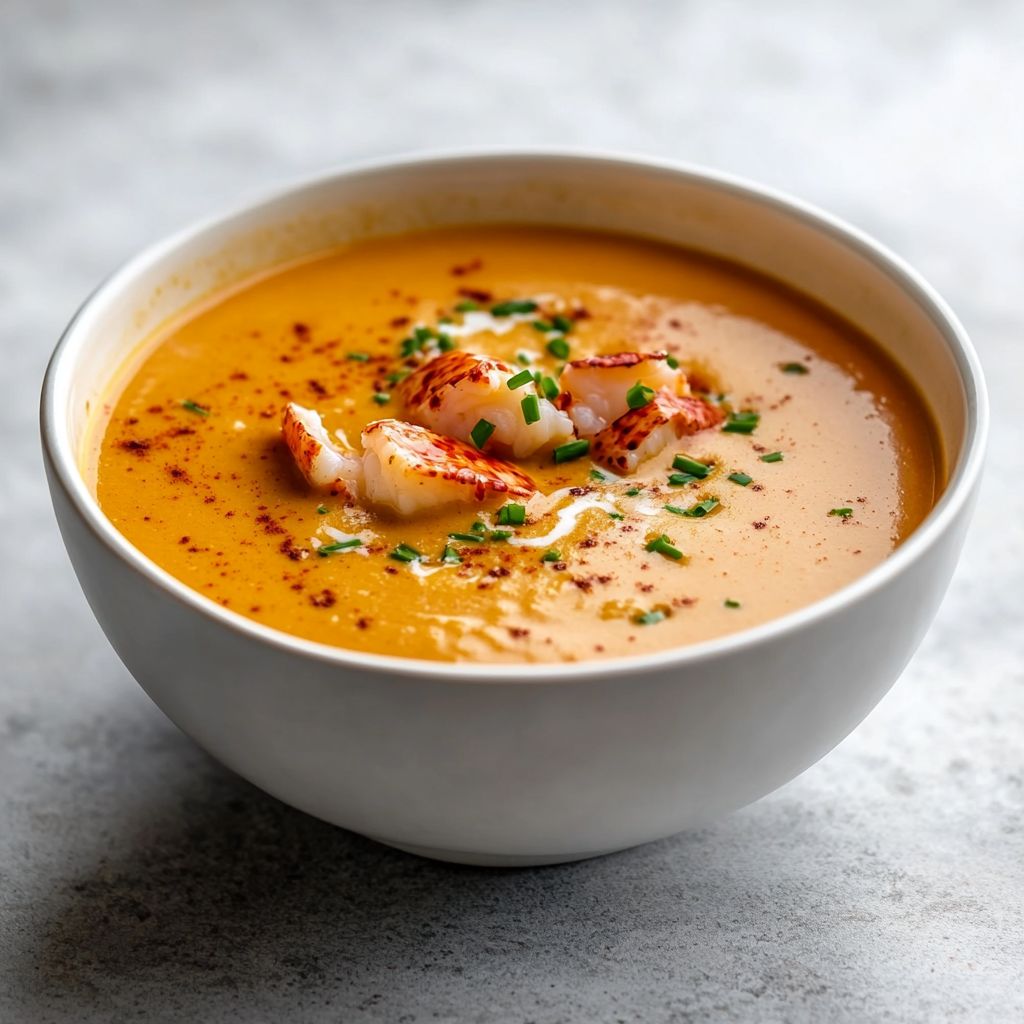
→ Extra large chunks reserved for topping the bisque at service create a visually appealing contrast and a burst of lobster flavor in every spoonful. If your meat is pre-cooked, briefly rewarm or warm through in the hot bisque before serving.
Serving & Accompaniments
-
– Crostini or toasted bread slices
→ A crisp, neutral anchor to scoop the creamy bisque and soak up every bit of flavor. Toast with a touch of garlic for extra aroma if desired, and rub with a cut clove while hot for a quick finish.
– Lemon wedges (optional)
→ Serve on the side for guests who want an extra burst of brightness. A quick squeeze just before eating brightens the rich soup without altering the texture.
Instructions
- Roast the lobster shells in a dry skillet over medium-high heat until deeply golden and fragrant, about 5–8 minutes, turning once to color evenly.
- → Roasting concentrates sugars and umami in the shells, building a deeper, more complex stock color and flavor before you simmer the stock.
- In a large stockpot, combine the roasted shells with 4 cups unsalted lobster stock or seafood stock (or water if stock is not yet available); bring to a gentle simmer over medium heat, then cook for 30–40 minutes to extract maximum flavor and color.
- → A steady simmer avoids toughening proteins and prevents clouding; simmering gently draws gelatin and mineral flavors from the shells without emulsifying fat into an opaque stock.
- Strain the stock through a fine-mesh sieve or cheesecloth into another pot, pressing on the solids to extract every last drop, and discard the shells.
- → Straining yields a velvety liquid free of shell fragments, ensuring a smooth bisque with a refined texture.
- In a clean heavy-bottom pot, melt 3 tablespoons unsalted butter with 1 tablespoon extra-virgin olive oil over medium heat until the butter foams but does not color.
- → The oil raises the butter’s smoking point, preventing burning while the butter provides rich flavor and a glossy mouthfeel essential to the base.
- Add the finely chopped yellow onion, celery, and carrot; season lightly with salt and sweat until translucent and soft, about 8–10 minutes, stirring occasionally to promote even cooking.
- → Sweating releases the vegetables’ sugars and aroma compounds without browning, creating a sweeter, smoother foundation for the bisque.
- Add the minced garlic and tomato paste; cook, stirring, for 1–2 minutes until the paste darkens slightly and fades raw notes.
- → Caramelizing tomato paste deepens color and umami, balancing the seafood sweetness and helping the bisque cling to the lobster meat later.
- Sprinkle in 1–2 tablespoons all-purpose flour; whisk continuously to form a light roux and cook for 1–2 minutes to remove the raw flour taste.
- → The roux provides gentle body to the bisque and helps it emulsify with the dairy without separating; gluten-free flour can be used as a direct substitute if needed.
- Pour in 1/2 cup dry white wine; whisk to deglaze the pan, scraping up any fond, and simmer until the wine is reduced by about half to concentrate the acidity and flavor.
- → Deglazing lifts flavorful browned bits from the pan, adding depth and a bright acidity that cuts richness without overpowering the shellfish.
- If using brandy or cognac, add 2–3 tablespoons now and simmer 1–2 minutes to burn off the alcohol and concentrate the sweetness.
- → Alcohol carries aromatics into the broth; simmering reduces it to a mellow, integrated note that enhances the seafood profile.
- Pour the strained stock back into the pot with the aromatics; add enough water to reach the desired consistency, add the bay leaf and fresh thyme, and bring to a gentle simmer.
- → The stock and added water balance intensity with body; bay leaf and thyme impart aromatic complexity that complements the lobster without overpowering it.
- Simmer gently for 20–30 minutes, partially covered, to marry flavors while maintaining a silky texture for the final bisque.
- → Slow simmering melds aromatics with stock, yielding a harmonious base that remains smooth when finished with cream.
- Remove and discard the bay leaf and thyme sprigs; strain the aromatics again through a fine sieve to ensure an ultra-smooth base for finishing.
- → Straining a second time ensures a perfectly velvety bisque free of leaf fragments or fibrous bits that could rupture the texture.
- Return the smooth stock to the pot; season with salt and freshly ground black pepper to taste; add a pinch of smoked paprika or cayenne for a subtle, warming undertone if desired.
- → Proper seasoning balances the sweetness of the vegetables with the richness of the dairy and seafood; spices should be added in small increments and adjusted by taste.
- Stir in 1/2–1 cup heavy cream; bring the bisque to a gentle simmer and avoid boiling to prevent curdling and separation of the dairy.
- → Cream adds a luxurious, velvety texture and a satin finish; overheating can cause separation, so keep heat steady and just below a boil.
- Stir in 1 teaspoon fresh lemon juice and taste; adjust brightness with more juice if needed to lift the rich flavors without making the soup sour.
- → A touch of acid brightens the sweetness of the lobster and cream, clarifying the palate and enhancing the overall balance.
- Fold in the chopped lobster meat, warming it gently in the hot bisque for 2–3 minutes until just heated through; do not overcook to preserve tender texture.
- → Pre-cooked lobster only needs gentle warming to maintain its delicate texture and prevent toughening; it contributes color and succulent bites to each spoonful.
- Taste and adjust seasoning one final time, correcting salt, pepper, and acidity, and if the bisque is too thick, whisk in a little hot water or stock to reach the desired consistency.
- → Final checks ensure the flavor is balanced and the texture is perfect, with the bisque coating the spoon smoothly.
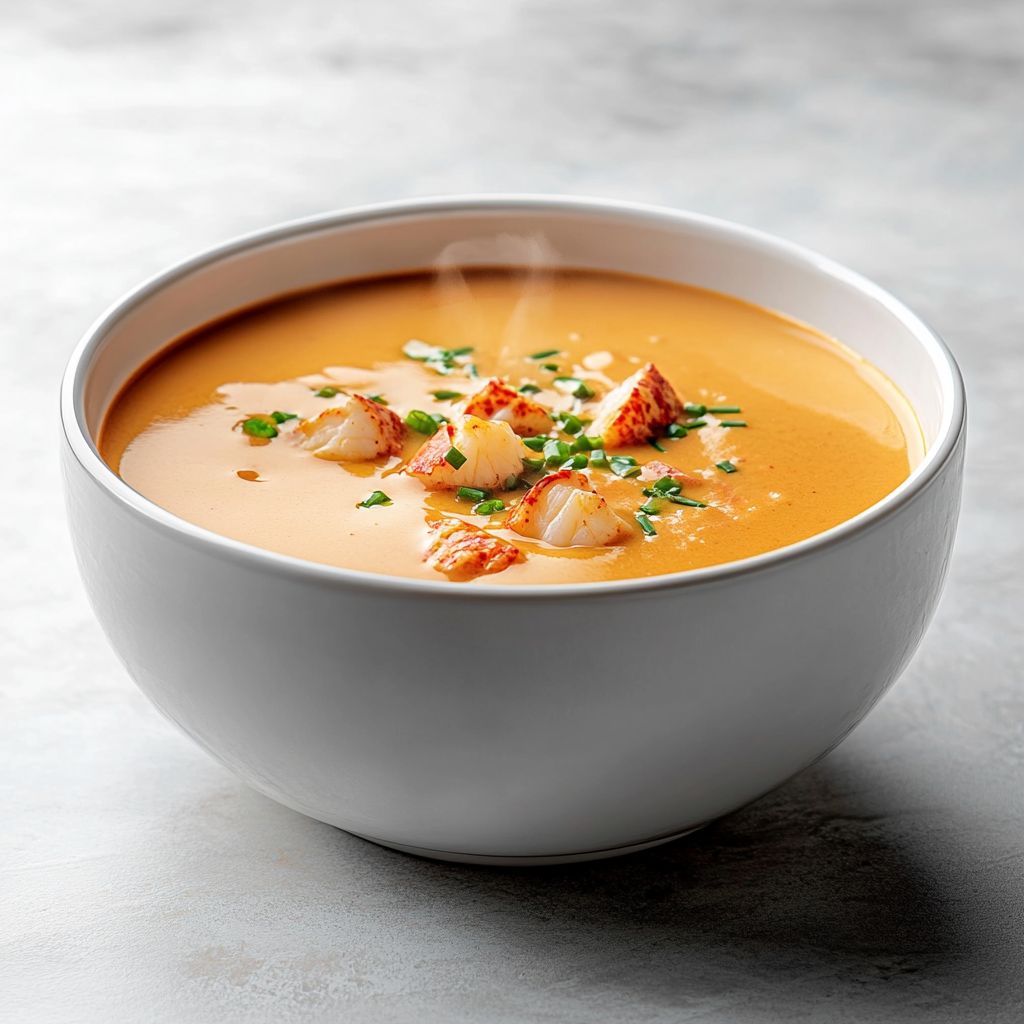
- Keep a few larger pieces of lobster meat reserved for garnish and gently rewarm them in the hot bisque just before service; if desired, tuck them into bowls as a show-stopping finish.
- → Reserved chunks provide a visual and textural contrast at plating, echoing the lobster flavor and offering a luxurious bite in each serving.
- Prepare crostini or toasted bread slices; rub with a cut clove of garlic if desired and toast until golden and crisp to serve alongside the bisque for dipping.
- → Crisp bread adds a textural counterpoint to the creamy bisque, and a light garlic aroma enhances the seafood savor in every bite.
- Serve the lobster bisque hot in warmed bowls with a few reserved lobster chunks on top and a squeeze of lemon on the side for guests who want extra brightness; accompany with the crostini and lemon wedges.
- → Warming the bowls helps maintain a luxurious temperature from first spoonful to last, while the garnish and citrus offer aroma, color, and balance.
Notes
This lobster bisque is a luxurious, shellfish-forward soup built from roasted lobster shells, aromatics, and a silky cream finish. For maximum depth, roast the shells lightly in a dry pan to intensify sweetness, then simmer with the aromatics and stock, straining well to keep the liquid bright and velvety. Add the chopped lobster meat toward the end to preserve its texture, and if your meat is refrigerated, pat it dry before folding it in so the bisque stays creamy rather than thin. A small splash of brandy or cognac added after deglazing can deepen the flavors, while a pinch of smoked paprika or cayenne provides a subtle warmth without masking the seafood; finish with fresh lemon juice to brighten the finished soup. If you prefer a lighter version, substitute half-and-half or a dairy-free cream, but note that the result will be less rich and silky. To make ahead, prepare the stock and base up to the cream stage, refrigerate or freeze, then reheat gently and add the cream just before serving. Gluten-free or dairy-free adjustments are easy: use a gluten-free flour or omit the roux, ensure your stock is gluten-free, and use a dairy-free cream if needed. Serve with crostini or toasted bread and lemon wedges, and garnish with reserved lobster chunks and chopped chives or tarragon for color and a fresh finish; avoid boiling after adding the cream to prevent separation and keep the texture smooth.
Tips
Tips for Lobster Bisque
- Maximize lobster flavor by using a mix of claw and tail meat and patting dry if refrigerated; reserve larger chunks to garnish for a visually appealing finish.
- Lightly roast the lobster shells in a dry skillet for 5–8 minutes before simmering to intensify sweetness and umami; crush or chop the shells after to maximize flavor extraction.
- Sweat the aromatics gently in a mix of unsalted butter and olive oil; keep the vegetables pale and translucent to build a clean base without caramelized notes that can deepen the color too much.
- Cook the tomato paste with aromatics for about a minute to mellow its raw flavor and contribute depth and color to the bisque.
- Prepare a light roux with butter and flour (or gluten-free flour) and cook 1–2 minutes; this gives gentle body to the bisque without a heavy paste; if gluten-free, use a blend and cook until the raw flavor disappears.
- Deglaze with dry white wine and brandy or cognac (if using); simmer to reduce by about half to concentrate flavors and lift the seafood sweetness.
- Simmer the shells with stock for 20–30 minutes (or longer if you have time) to extract maximum flavor and color; strain through a fine-mesh sieve to keep the liquid velvety.
- Keep stock unsalted or lightly salted; adjust salt after incorporating the lobster meat and cream to avoid oversalting the bisque.
- Reserve some large lobster meat chunks for garnish and warming gently in the hot bisque just before serving to preserve their texture and shape.
- Finish with cream off the heat; add gradually and whisk or blend briefly to emulsify; avoid vigorous boiling after adding cream to prevent curdling.
- Season gradually with salt, pepper, and a pinch of smoked paprika or cayenne for a subtle warmth; taste after each adjustment to maintain balance.
- A splash of fresh lemon juice at the end brightens the flavors; add a little at a time and taste to avoid overpowering the seafood sweetness.
- For a smoother texture, blend the bisque briefly and pass through a fine sieve; for a heartier mouthfeel, blend less and leave some small pieces of lobster.
- Make ahead: bisque refrigerates well for 1–2 days; reheat slowly over low heat, stirring, and re-emulsify with a touch of cream if needed; add reserved lobster meat at service.
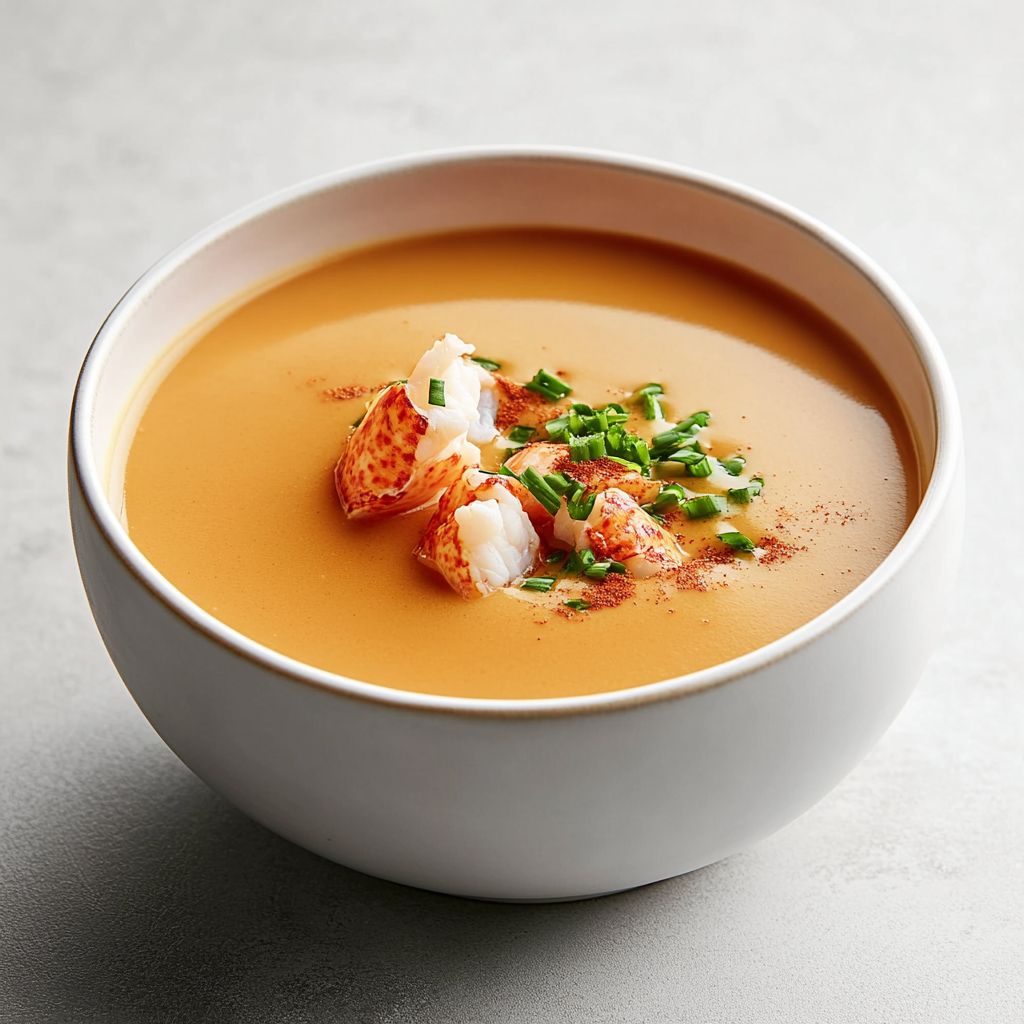
- Serve with crisp crostini or garlic-rubbed bread and lemon wedges; garnish with chopped fresh chives or tarragon and some reserved lobster meat for a luxurious finish.
FAQ
What is lobster bisque?
Lobster bisque is a creamy, smooth soup traditionally made from lobster stock, lobster flesh, aromatics, a touch of wine or cognac, and cream. The lobster shells are simmered to extract flavor, then strained for a velvety texture.
What ingredients do I need to make lobster bisque?
For a classic lobster bisque, you’ll need lobster (tails or claws), shells for stock, aromatics (onion, carrot, celery, garlic), tomato paste, cognac or brandy, dry white wine, butter, flour (for a roux) or cornstarch for thickening, heavy cream or crème fraîche, salt and pepper, bay leaf, and thyme. Optional: paprika or cayenne for heat, lemon juice to brighten, and fresh lobster meat for the finished soup.
Can I use pre-cooked lobster or leftover lobster?
Yes. Use the meat from pre-cooked lobster for the finishing, and save the shells to make the stock. If you only have meat, you can simmer shells briefly in stock to extract flavor, or buy lobster stock.
How do I make the stock for lobster bisque?
Simmer lobster shells with onions, carrots, celery, garlic, and herbs in water to extract flavor. Deglaze with white wine, then simmer 30–60 minutes. Strain the stock and return to the pot. This forms the base; you can enrich with a bit of cream at the end if desired.
How do I thicken and smooth the bisque?
Traditionally, bisque is thickened with a roux (butter and flour) and then strained to a velvety texture. You can also purée a portion of the stock and lobster meat and whisk it back in, or use a cornstarch slurry for a lighter thickening. Finish with cream for silkiness.
Can I make a dairy-free or lighter version?
Yes. To reduce dairy, skip the heavy cream or use a plant-based cream. Use olive oil instead of butter, and thicken with a light roux made with flour or cornstarch. The texture will be lighter and the flavor will rely more on the lobster stock.
How should I store and reheat lobster bisque?
Store in an airtight container in the fridge for up to 3 days. Reheat gently over low heat, stirring often to prevent curdling. If the soup thickens, thin with a little broth or water. Do not boil after adding dairy; heat just until steaming hot.
How do I season and adjust the flavor?
Taste and adjust with salt, pepper, and a splash of lemon juice or white wine to brighten. A pinch of cayenne or paprika adds warmth. If stock is very salty, balance with a touch of cream or a splash of water.
What are good garnishes and serving suggestions?
Serve hot with a drizzle of cream or crème fraîche, chopped chives or parsley, and a few lobster meat pieces. Pair with crusty bread or garlic croutons. A splash of cognac at the end can add depth (optional).
Can I freeze lobster bisque?
You can freeze the stock or the finished bisque (without dairy) for up to 2–3 months. Thaw in the fridge, then reheat gently and whisk in a little cream if desired.