
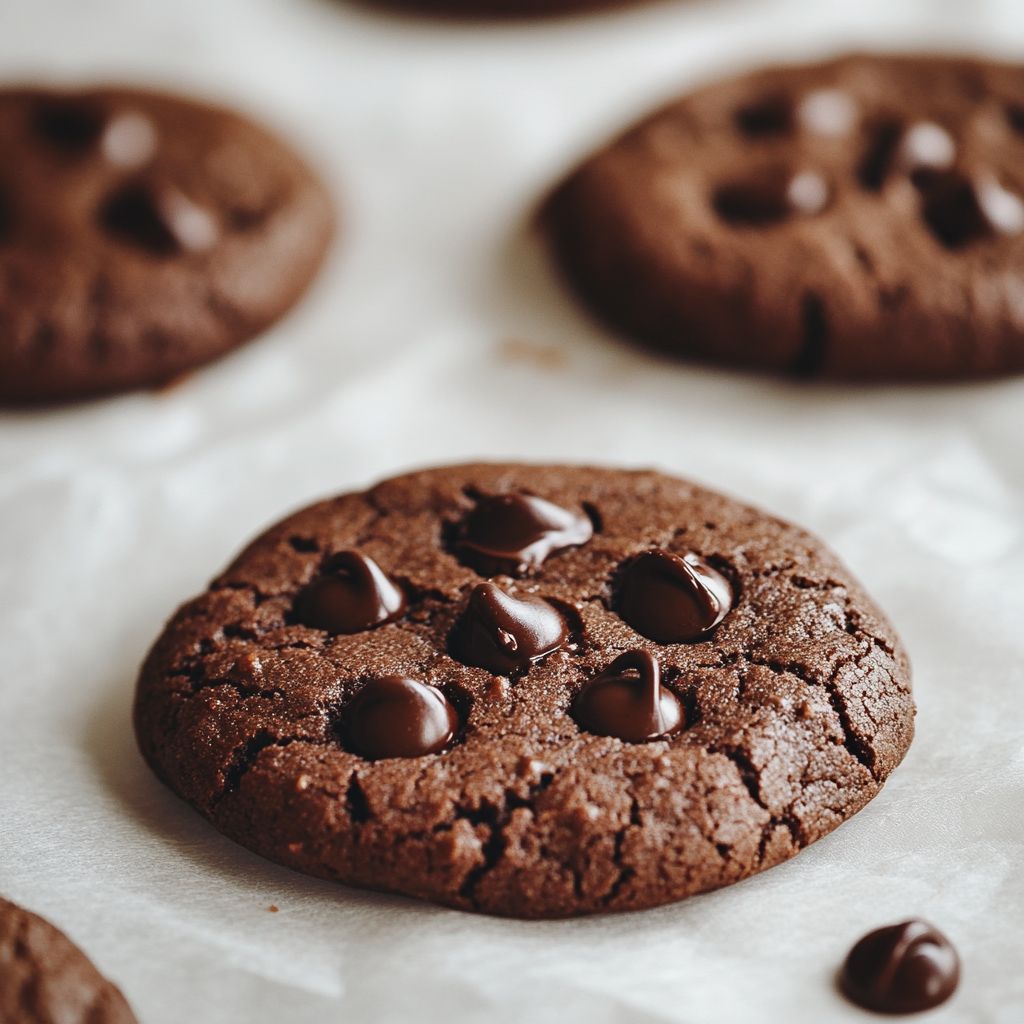
Introduction: The Allure of Soft Baked Chocolate Cookies
Imagine biting into a warm, fresh-out-of-the-oven chocolate cookie, its soft texture yielding with the slightest resistance to reveal glistening pockets of molten chocolate. The aroma alone is like an embrace, filling the kitchen with the comforting perfume of cocoa and vanilla. Soft Baked Chocolate Cookies bring a sensory delight that transcends simple indulgence — they are a nostalgic retreat, reminiscent of childhood days and cozy, lazy afternoons. This recipe promises not only to satisfy your chocolate cravings but also to create moments worth cherishing.
The Story Behind the Dish
The journey of the humble chocolate cookie began in the United States during the 1930s when Ruth Wakefield accidentally invented what is now a global sensation. At her Toll House Inn in Massachusetts, she stumbled upon this culinary marvel by adding broken pieces of semi-sweet chocolate to her cookie dough, unaware that they would retain their shape after baking. This serendipitous discovery led to the creation of the original chocolate chip cookie, forever changing the dessert landscape.
Over the decades, bakers and home cooks have put their own twist on this classic, experimenting with thickness, texture, and add-ins to suit personal preferences. The Soft Baked Chocolate Cookie is a variation that emerged to meet the desire for a chewier, softer bite—perfect for those who appreciate a texture that closely mimics that of cookie dough with the satisfying warmth of a baked treat.
Why You’ll Love This Recipe
- Quick and Easy: These cookies are simple to make, requiring just a few basic ingredients you likely already have in your pantry.
- Chewy Inside, Slightly Crisp Outside: The perfect combination of textures makes each bite irresistible.
- Versatile: You can adapt the recipe with nuts, dried fruits, or different chocolates to suit various tastes.
- Kid-Friendly: A fun activity for children to join in, from mixing the dough to scooping it onto the baking sheet.
- Comfort Food at Its Best: Perfect for any comforting gathering, whether you need a pick-me-up on a dreary day or a celebratory treat for a special occasion.
Flavor Profile & Texture
The beauty of a Soft Baked Chocolate Cookie lies in its uncomplicated yet profoundly satisfying flavor profile. The dominant taste is, of course, chocolate — intense and rich, offering a deep, almost bittersweet pleasure. To balance this is the cookie’s sweetness, a soft and comforting note that enhances rather than overwhelms the cocoa flavors. Subtle hints of vanilla and a pinch of salt act as undercurrents, adding complexity and depth to each bite.
The texture is equally captivating. These cookies boast a melt-in-your-mouth softness, with a slight chewiness that lingers. The edges, slightly firmer and crispier, provide a contrast that heightens the overall sensory experience, making each mouthful a journey of taste and texture.
Occasions & Pairings
Soft Baked Chocolate Cookies are wonderfully versatile, making them suitable for a myriad of occasions. They are a beloved choice for holiday baking, bringing warmth and nostalgia to any festive table. Equally, they are perfect for casual gatherings, afternoon snack times, or as a delightful finish to a family dinner.
Pair these cookies with a tall glass of cold milk for the traditionalist, or venture into pairing them with a robust cup of coffee or a creamy hot chocolate for extra decadence. For an adult twist, serve them alongside a small glass of tawny port or a rich, full-bodied red wine, which complements the chocolate beautifully.
Tips, Variations & Substitutions
Customize your cookies to suit different dietary requirements or flavor preferences. Here are some suggestions:
- Gluten-Free: Substitute regular flour with a 1:1 gluten-free baking blend to maintain the same soft texture.
- Vegan: Use a flax egg in place of a regular egg and substitute butter with a vegan margarine or coconut oil.
- Extra Indulgent: Enhance the richness by folding in chunks of dark or milk chocolate along with semi-sweet chips.
- Nutty Variations: Add chopped walnuts or pecans for a crunchy contrast in texture.
- Spice It Up: For an unexpected twist, incorporate a teaspoon of cinnamon or a dash of cayenne pepper to the batter.
Storage & Make-Ahead Ideas
These cookies are just as delightful when enjoyed fresh as they are when savored a day or two after baking. To keep them soft and chewy, store them in an airtight container at room temperature for up to a week. For longer storage, you can freeze the cookie dough balls on a baking sheet until solid, then transfer them to a freezer-safe bag. This way, you can bake a fresh batch whenever the craving strikes — simply add a few extra minutes to the baking time.
If you’re hosting a party or preparing for a busy week, consider making the dough ahead of time. It can be refrigerated for up to three days, allowing you to pop them in the oven moments before serving for a truly indulgent, fresh-baked experience.
Fun Facts & Trivia
Did you know the chocolate chip cookie became the official state cookie of Massachusetts in 1997? This recognition underscores its status as a beloved American treat. Furthermore, cookie lovers across the globe celebrate National Chocolate Chip Cookie Day on August 4th, a testament to its universal appeal.
In conclusion, Soft Baked Chocolate Cookies are more than just a dessert; they are a tradition, a celebration, and a versatile canvas for culinary expression. Whether you’re baking them to savor solo or to share with friends, each cookie invites comfort, joy, and connection in every soft, chocolatey bite.
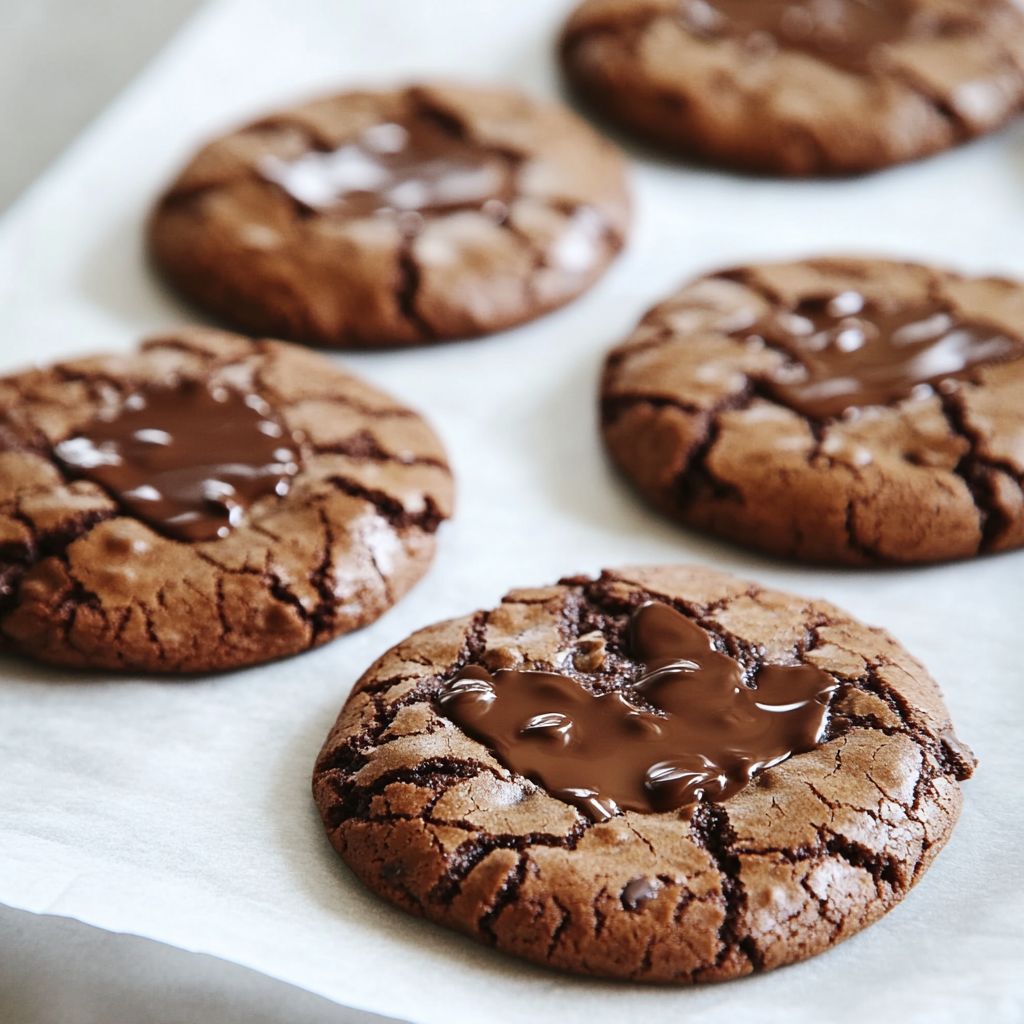
Ingredients
- Cookie Base
- 1 cup unsalted butter (softened)
→ Softened butter is crucial as it aids in creating a creamy texture when beaten with sugars. Ensure the butter is at room temperature for optimal incorporation, allowing the cookies to achieve a soft, tender crumb. For best results, leave it out for about an hour before starting the recipe. - 1 cup granulated sugar
→ Granulated sugar not only sweetens the cookies but also contributes to their chewy texture by creating a crisp outer layer when baked. Make sure to measure it accurately to balance the sweetness and texture properly. - 1 cup packed brown sugar
→ The molasses content in brown sugar adds moisture and a rich caramel flavor, enhancing the overall taste of the cookies. Use light or dark brown sugar depending on your preference, but ensure it’s packed tightly in the measuring cup for correct measurement. - 2 large eggs
→ Eggs act as binders, helping to hold all the ingredients together. It’s vital to use large eggs at room temperature to ensure they emulsify properly with the butter and sugars, resulting in a smooth and consistent batter. - 1 teaspoon pure vanilla extract
→ Pure vanilla extract enhances the flavor profile of the cookies and adds depth. Avoid imitation vanilla; it lacks the complexity of pure extract. Add it with the wet ingredients for even distribution throughout the dough. - 2 cups all-purpose flour
→ All-purpose flour provides structure to the cookies. For soft cookies, ensure you measure it correctly by scooping and leveling off instead of packing it in. Too much flour can lead to dry cookies, so consider using the spoon and sweep method for accuracy. - 1/2 cup unsweetened cocoa powder
→ Cocoa powder gives the cookies their rich chocolate flavor and dark color. Choose a high-quality cocoa powder for better taste. Sift it before adding to the flour to prevent clumps and ensure an even distribution in the dough. - 1 teaspoon baking soda
→ Baking soda is a leavening agent that helps the cookies rise and become soft. Make sure it’s fresh for best results, and mix it thoroughly into the dry ingredients to prevent uneven rising during baking. - 1/2 teaspoon salt
→ Salt enhances the flavors and balances the sweetness of the cookies. It’s best to use fine sea salt to ensure even distribution throughout the dough. It’s an essential ingredient for elevating the overall taste.
- 1 cup unsalted butter (softened)
- Mix-Ins
- 1 cup chocolate chips (semi-sweet or dark)
→ Chocolate chips are the star ingredient, offering gooey pockets of chocolate in every bite. For a richer flavor, opt for dark chocolate chips. You can also reserve a handful to sprinkle on top before baking for an appealing presentation. - 1/2 cup chopped nuts (optional)
→ Chopped nuts like walnuts or pecans can add a delightful crunch and nutty flavor to your cookies. Toast them lightly before chopping to enhance their flavor. Be sure to chop them evenly to distribute them throughout the dough.
- 1 cup chocolate chips (semi-sweet or dark)
Instructions
- Gather all your ingredients and weigh them accurately before starting the preparation.
→ This ensures you have everything you need at hand, minimizing the risk of missing components during the mixing process and ensuring consistent results. - Preheat your oven to 350°F (175°C) and line a baking sheet with parchment paper.
→ Preheating the oven allows the cookies to bake evenly, and using parchment paper prevents sticking, making for easier cleanup and preventing the cookies from becoming too dark on the bottom. - In a large mixing bowl, cream the softened butter with granulated sugar and brown sugar using an electric mixer on medium speed until the mixture is light and fluffy, about 3-5 minutes.
→ Creaming incorporates air into the butter and sugars, creating a light texture in the cookies. Ensure there are no lumps of butter remaining, as these can create uneven baking. - Add the two large eggs, one at a time, mixing on low speed until fully integrated, then mix in the teaspoon of pure vanilla extract.
→ Adding eggs one at a time allows for better emulsification, leading to a smoother and more cohesive batter. Mixing in the vanilla at this stage evenly distributes its flavor throughout the dough. - In a separate bowl, sift together the 2 cups of all-purpose flour, 1/2 cup of unsweetened cocoa powder, 1 teaspoon of baking soda, and 1/2 teaspoon of salt.
→ Sifting helps break up any clumps in the cocoa powder and flour, ensuring a smooth, even cookie dough without pockets of dry ingredients. Additionally, it aerates the flour for a lighter texture. - Gradually add the dry mixture to the wet mixture, mixing on low speed until just combined and no dry flour remains visible.
→ Avoid overmixing at this stage to prevent developing gluten, which can lead to tough cookies. Stop mixing as soon as you don’t see any flour; a few lumps are okay. - Fold in the 1 cup of chocolate chips and, if using, 1/2 cup of chopped nuts, using a spatula or wooden spoon to incorporate them evenly throughout the dough.
→ Folding gently helps maintain the airy structure of the dough while ensuring the chocolate chips and nuts are evenly distributed, leading to delightful bursts of flavor in each cookie. - Using a cookie scoop or tablespoon, portion the dough onto the prepared baking sheet, spacing them about 2 inches apart to allow for spreading.
→ This ensures even baking and prevents the cookies from merging into one another. If you desire larger cookies, adjust the portion size accordingly, but remember to increase baking time slightly. - Sprinkle any reserved chocolate chips on top of the cookie dough before baking for a visually appealing presentation.
→ This step not only enhances the look of the cookies but also ensures that there are plenty of chocolate morsels visible on top, inviting and tempting to anyone who sees them. - Bake the cookies in the preheated oven for 10-12 minutes, or until the edges are set and the tops look slightly puffed and soft.
→ The cookies will continue to cook as they cool on the baking sheet, so it’s important to underbake slightly for that soft, chewy texture desired. A toothpick inserted into the center should have a few moist crumbs attached but not be wet with batter. - Remove the baking sheet from the oven and let the cookies cool on the sheet for 5 minutes before transferring them to a wire rack to cool completely.
→ Cooling initially on the baking sheet allows them to set and makes handling them easier without breaking. Transferring to a wire rack allows air to circulate around the cookies, preventing them from becoming soggy. - Store the cooled cookies in an airtight container at room temperature for up to a week, or freeze them for longer storage.
→ Keeping them in an airtight container prevents them from drying out and maintains their optimal texture. Freezing allows you to enjoy freshly baked cookies at a later date; simply thaw them at room temperature or reheat in the microwave for a few seconds.
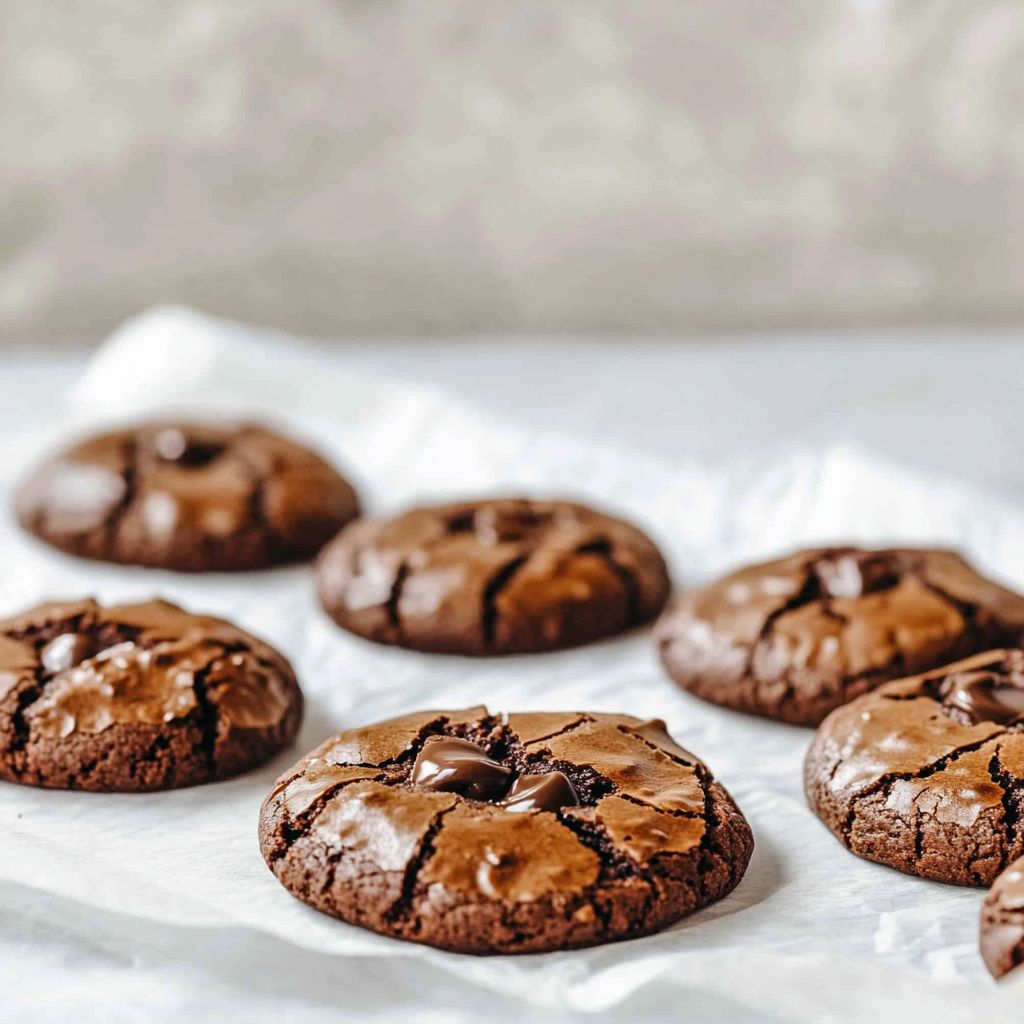
Notes
These soft baked chocolate cookies are a delightful treat that can be enjoyed any time of the day. The combination of granulated and brown sugars gives these cookies a balanced sweetness and a chewy texture that is incredibly satisfying. Using softened butter is key to achieving a creamy and tender dough that bakes beautifully. Make sure to allow your eggs to reach room temperature as well; this helps with the emulsification process, ensuring a uniform batter.
The richness of cocoa powder is what truly defines these cookies, providing an intense chocolate flavor. Be mindful of how you measure your flour; too much can lead to a dry cookie. Mixing your dry ingredients thoroughly helps to ensure a consistent texture throughout the batch. For those who crave extra chocolate, the addition of semi-sweet or dark chocolate chips creates gooey pockets that complement the cookie perfectly.
For added texture and flavor, consider mixing in chopped nuts, which not only enhance the crunch but also provide a wonderful contrast to the softness of the cookie. If you like, reserve some chocolate chips to add on top before baking for an appealing finish.
These cookies can be stored in an airtight container for several days, although they may not last long due to their deliciousness! For longer storage, you can freeze the baked cookies. Enjoy them warm from the oven with a glass of milk for a classic pairing or as a sweet snack any time of the day.
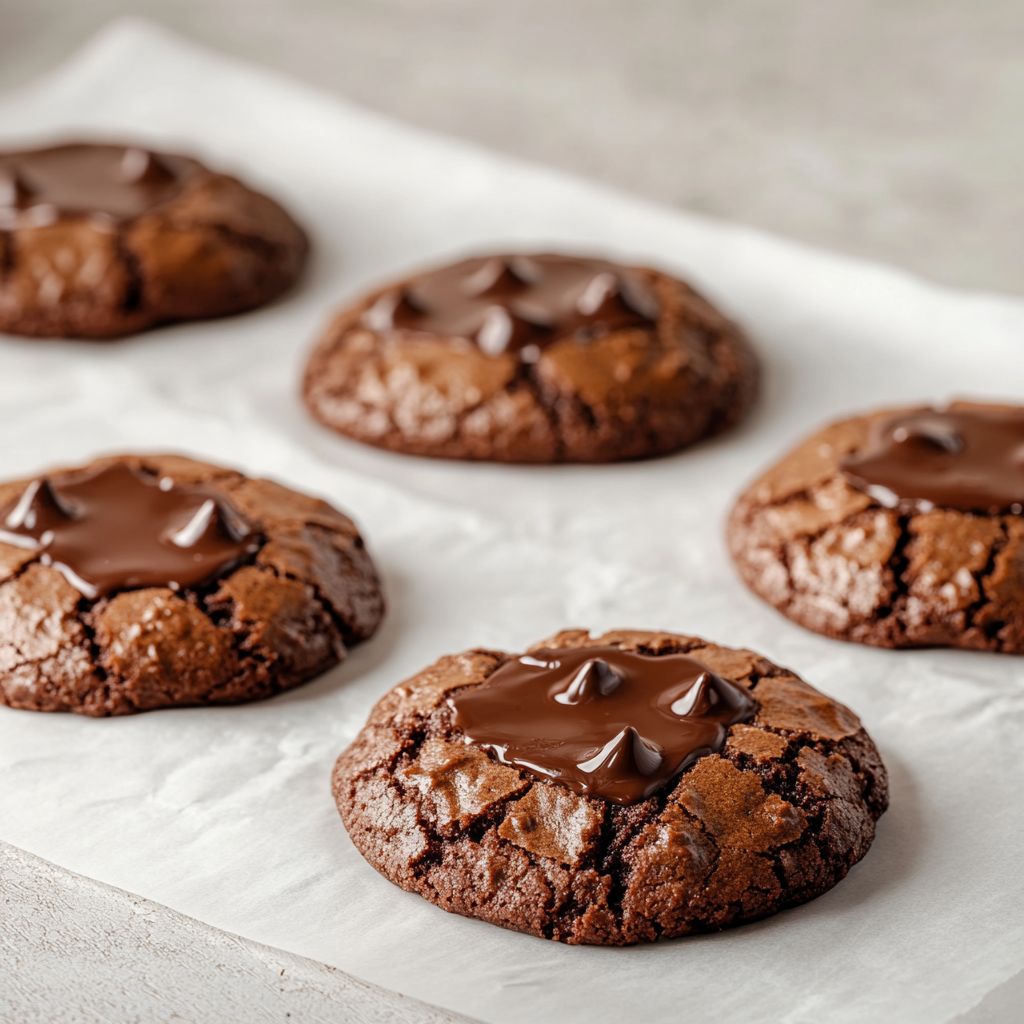
Tips
- Temperature and Storage Tips
- Preheat your oven: Always preheat your oven to ensure even baking. Set it to the temperature specified in the recipe before placing your cookie dough in, which helps achieve that perfect rise and soft texture.
- Chill the dough: For thicker cookies, consider chilling the dough for at least 30 minutes before baking. This helps the cookies maintain their shape and prevents them from spreading too much in the oven.
- Cooling the cookies: Allow the cookies to cool on the baking sheet for a few minutes before transferring them to a wire rack. This prevents them from breaking and allows them to firm up slightly, enhancing their texture.
- Storage: Store leftover cookies in an airtight container at room temperature for up to a week. For longer storage, you can freeze the cookies or the unbaked dough for up to three months. Just make sure to wrap them tightly to avoid freezer burn.
- Baking Techniques
- Baking in batches: If you’re baking multiple trays of cookies, rotate them halfway through baking. This ensures that every cookie gets equal heat exposure, leading to a consistent bake.
- Use parchment paper: Line your baking sheets with parchment paper or silicone mats. This helps prevent sticking and makes cleanup a breeze, while also promoting even baking.
- Test for doneness: Cookies will continue to firm up as they cool. Look for the edges to be set and the centers to look slightly underbaked before taking them out of the oven for that perfect soft texture.
- Customization Ideas
- Flavor variations: Experiment with different types of extracts, such as almond or peppermint, to change up the flavor profile of your cookies. Just a few drops can make a big difference!
- Different mix-ins: Get creative with your mix-ins! Consider adding toffee bits, dried fruit, or white chocolate for a unique twist on the classic chocolate cookie.
FAQ
What ingredients are needed to make soft baked chocolate cookies?
To make soft baked chocolate cookies, you will need all-purpose flour, cocoa powder, baking soda, salt, unsalted butter, granulated sugar, brown sugar, vanilla extract, eggs, and chocolate chips.
How do I ensure my chocolate cookies remain soft after baking?
To keep your cookies soft, be careful not to overbake them. Remove them from the oven when the edges are set but the centers look slightly underbaked. They will continue to cook on the baking sheet as they cool.
Can I substitute the all-purpose flour with gluten-free flour?
Yes, you can use a gluten-free all-purpose flour blend as a substitute for regular all-purpose flour. Make sure it contains xanthan gum or add it separately for the best texture.
What type of chocolate chips should I use for the cookies?
You can use semi-sweet chocolate chips for a classic flavor, but feel free to experiment with dark chocolate, milk chocolate, or even white chocolate chips according to your preference.
How long should I chill the cookie dough before baking?
Chilling the cookie dough for at least 30 minutes helps to enhance the flavors and prevents the cookies from spreading too much during baking.
How can I store leftover cookies to maintain their softness?
Store the cookies in an airtight container at room temperature. To retain their softness, you can also add a slice of bread to the container, as it helps to keep the cookies moist.
Can I freeze the cookie dough for later use?
Yes, you can freeze the cookie dough! Scoop the dough into balls, place them on a baking sheet to freeze, then transfer to a freezer bag once solid. They can be baked directly from frozen—just add a couple of extra minutes to the baking time.
How do I know when the cookies are done baking?
Your cookies are done when the edges are firm and the center looks slightly glossy. They should still look a little underbaked, as they’ll continue to set while cooling.