Introduction to Baked Chocolate Cheesecake
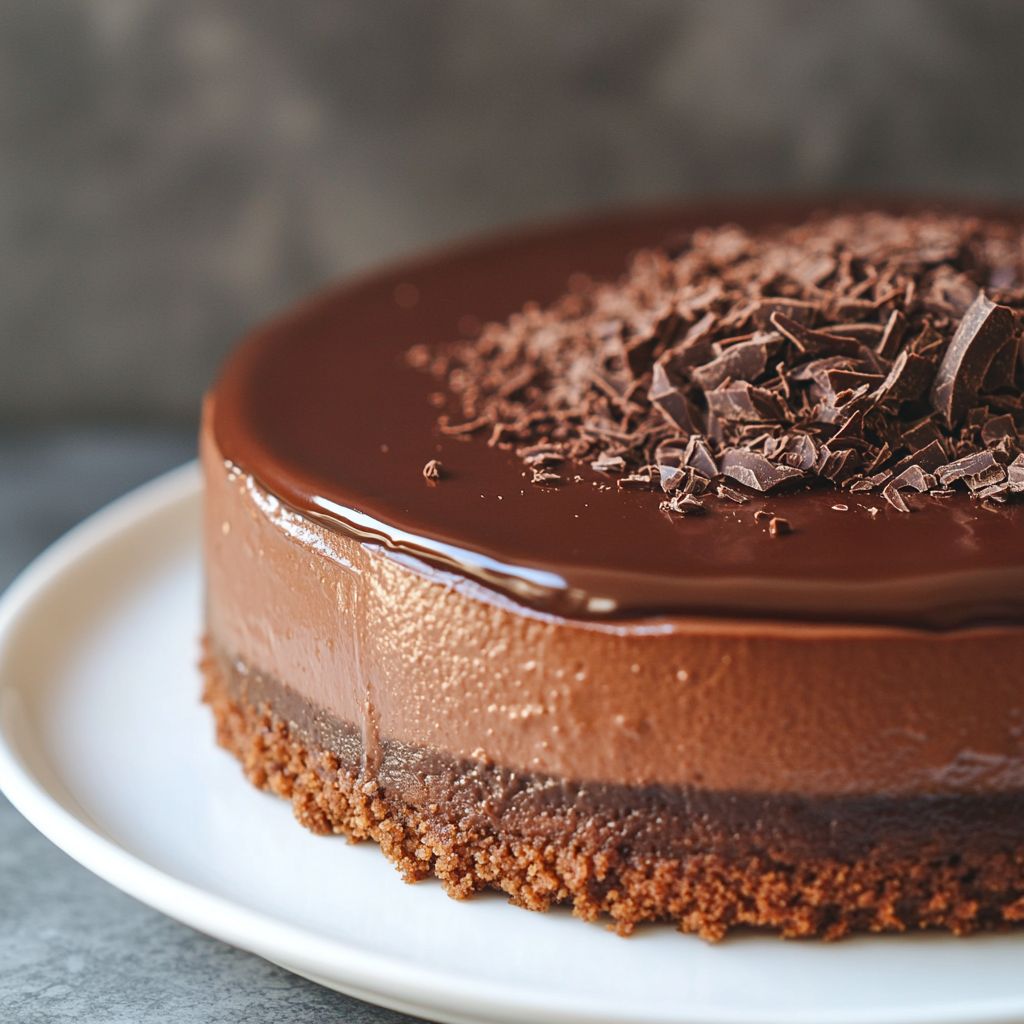
Imagine sinking your fork into a slice of rich, indulgent chocolate cheesecake, perfectly baked to creamy perfection. This isn’t just any cheesecake — it’s a baked chocolate masterpiece that brings a new level of luxury to the classic dessert. As your fork glides through, you hear the light crunch of the buttery crust meeting the velvety chocolate filling, enhancing the joy of this decadent treat. With each bite, your senses are enveloped by the deep, rich flavors of chocolate mingling harmoniously with the tangy cream cheese. It’s a dessert that’s not only intrinsically satisfying but is also a showstopper, promising to elevate any occasion to something truly special.
The Story Behind the Dish
The chocolate cheesecake, a beloved dessert across the world, draws its roots from ancient Greece where the earliest forms of cheese-based treats were offered to athletes during the first Olympic games in 776 B.C. However, the delightful transformation into cheesecake as we know it began in 19th century New York, with the creamy blend of fresh cheese and sugar topped typically with vibrant berries or chocolate. The baked chocolate cheesecake is a modern twist that brings together the classic tang of cream cheese with the lush richness of chocolate, resulting in a dessert that feels both nostalgic and innovative.
This combination is no mere culinary accident; it’s a thoughtful melding of ingredients that heralds from both European and American culinary traditions. With the global popularity of chocolate, recipes have evolved and spread, embedding themselves in the hearts of dessert lovers from various cultures, each bringing their variation to the table. Yet, no matter where you enjoy it, a slice of baked chocolate cheesecake remains an indulgent reminder of the universal love for chocolate and creamy desserts.
Why You’ll Love This Recipe
- Decadence Redefined: With every mouthful, savor the unique richness that only a well-balanced chocolate cheesecake can deliver. It’s a dessert that combines the best elements of chocolate and cheesecake, reimagining each in the most delectable form.
- Simple Elegance: Although it offers a complex symphony of flavors, the recipe remains accessible to home bakers of all skill levels, promising spectacular results every time.
- Versatile Delight: Whether served at a lavish dinner party or a cozy family gathering, this cheesecake is sure to be the centerpiece of the table and a conversation starter.
- Mood Booster: Chocolate is renowned for its mood-enhancing properties, so imagine that uplift coupled with the satisfaction of a homemade dessert.
Flavor Profile & Texture
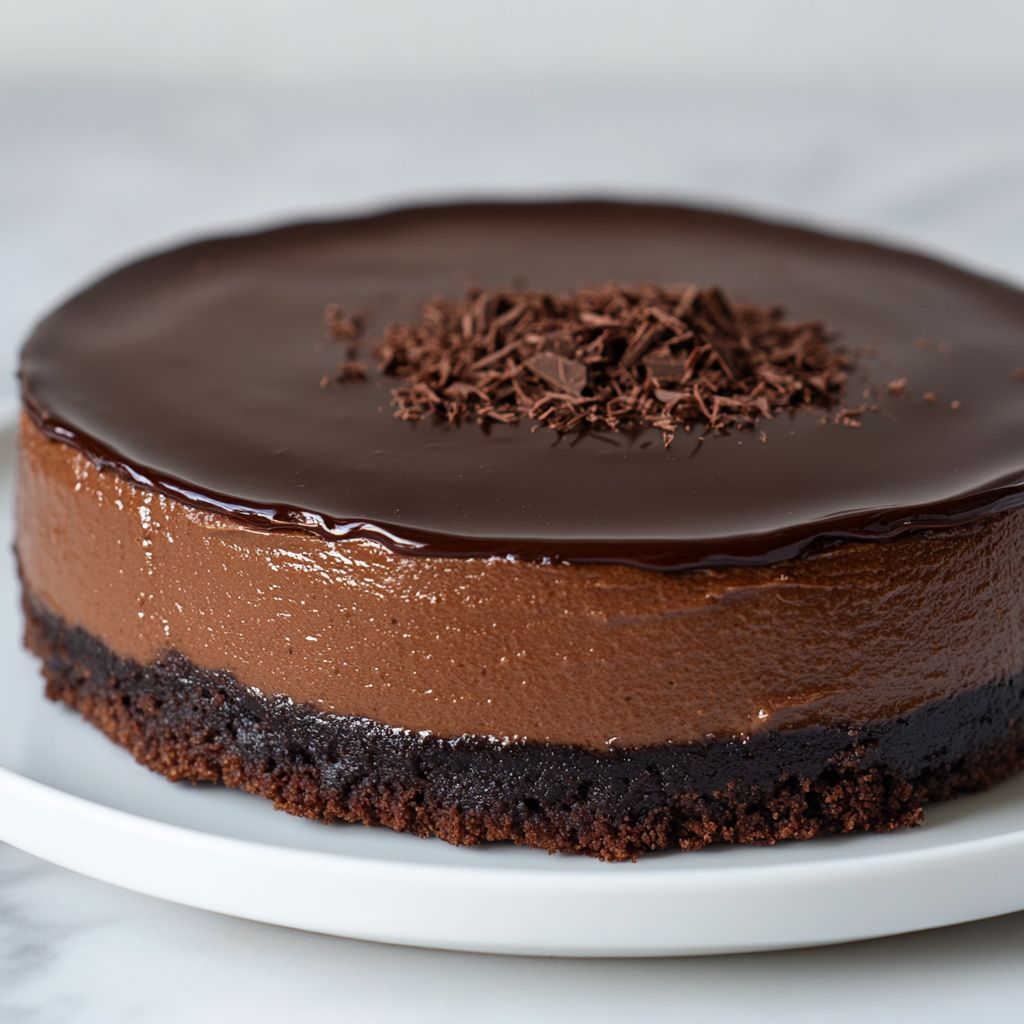
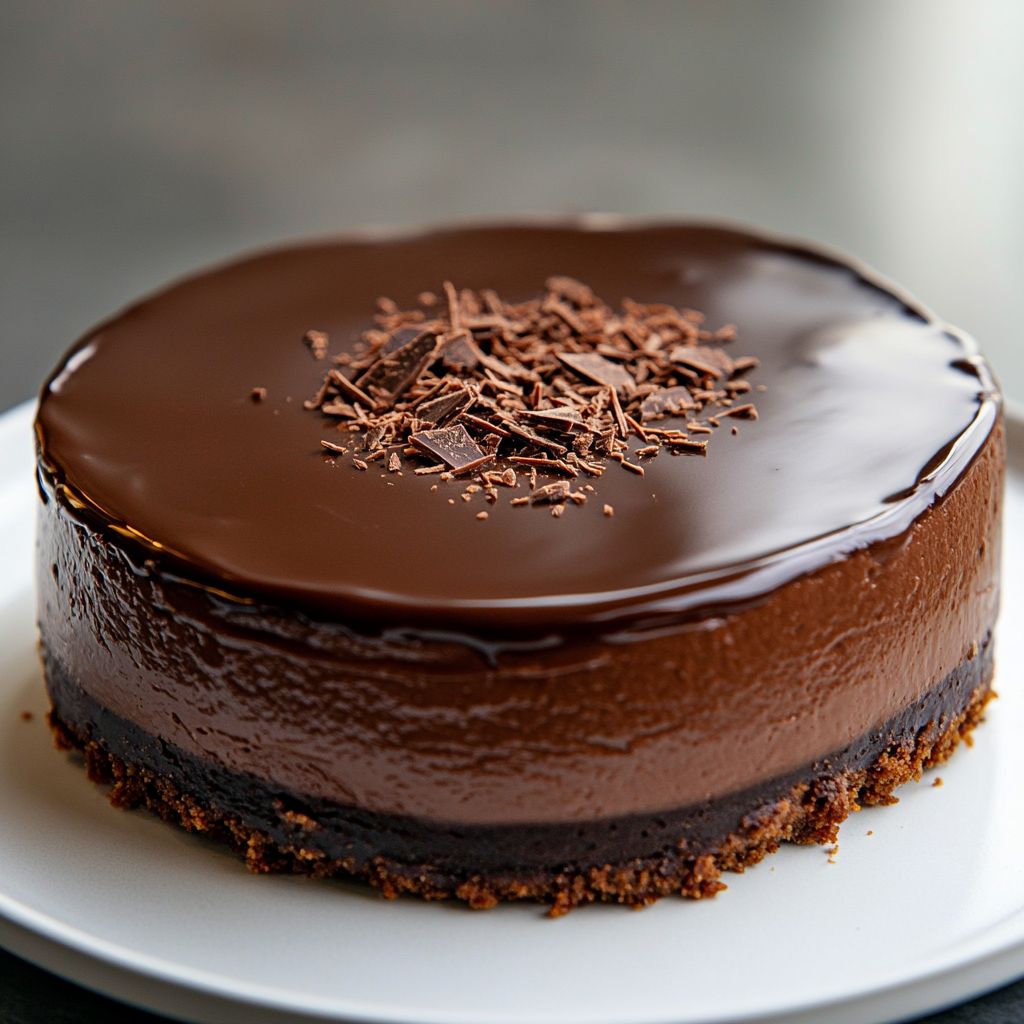
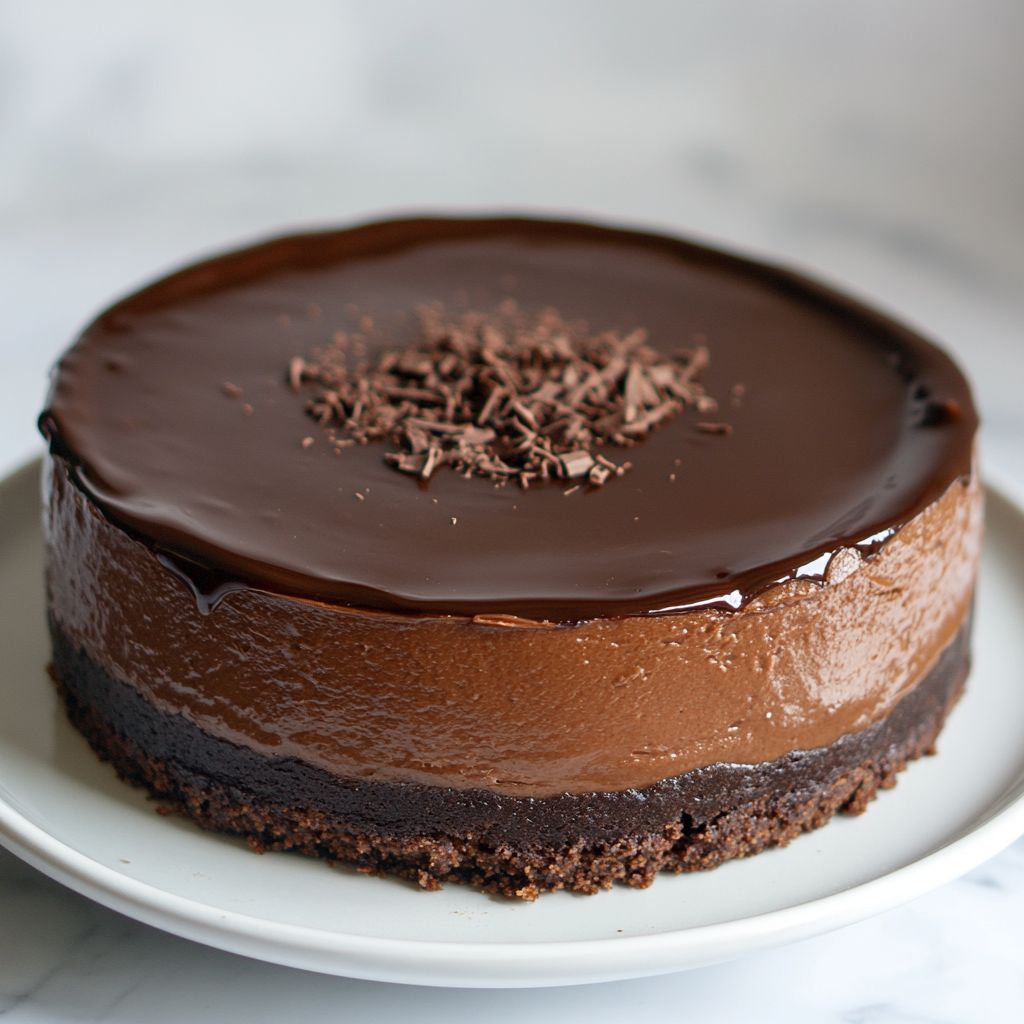
The baked chocolate cheesecake is a dessert lover’s dream. At its core, the flavor profile is a marriage of bittersweet luxury and creamy delight. The deep cocoa notes contrast the mild tang from the cream cheese, creating a balanced sweetness that is neither overpowering nor dull. This harmony makes each bite more irresistible than the last. Picture the texture: a subtly crisp, buttery crust holds a luscious filling that is both dense and silky, topped with a smooth, glossy ganache that envelopes the senses in pure chocolate nirvana.
Occasions & Pairings
This indulgent baked chocolate cheesecake is perfect for virtually any occasion that calls for a touch of elegance and comfort. Celebrate a friend’s birthday, serve it as the grand finale at a dinner party, or simply luxuriate in a slice during a quiet night in.
When it comes to pairing, consider offering a dollop of whipped cream or a scoop of vanilla ice cream alongside your cheesecake. To drink, a rich cup of espresso or a glass of port wine can deepen the flavor experience. Fruit-forward wines or dessert cocktails can also complement or cut through the cheesecake’s richness, refreshing the palate with new sensations.
Tips, Variations & Substitutions
This versatile recipe provides numerous opportunities for customization:
- Add a Fruity Twist: Top with fresh raspberries or strawberries to introduce a slightly tart element that contrasts beautifully with the rich chocolate.
- Make it Gluten-Free: Substitute the crust with gluten-free cookie crumbs or a base of nut flours for those who avoid gluten.
- Dietary Alterations: Use vegan cream cheese and an egg replacer for a plant-based version that doesn’t compromise on flavor or texture.
- Region-specific Flavors: Infuse spices like cayenne or cinnamon into the ganache to give it a Mexican chocolate flair, or incorporate Irish cream into the filling for a boozy twist.
Storage & Make-Ahead Ideas
One of the beauties of baked chocolate cheesecake is its ability to stay fresh and delicious over several days with proper storage. Keep it in an airtight container in the refrigerator, where it can last for up to a week. For longer preservation, wrap individual slices in plastic wrap and store them in a freezer-safe bag for up to three months; just be sure to let them thaw in the refrigerator before serving.
You can prepare the cheesecake a day or two in advance before a big event, allowing you to focus on other preparations while knowing you have an exceptional dessert ready and waiting.
Fun Facts & Trivia
Did you know that National Cheesecake Day is celebrated annually on July 30th in the United States? It’s the perfect excuse to whip up a baked chocolate cheesecake and share it with friends and family, or to indulge in a slice just for you!
Moreover, ancient cheesecakes made with different layers and textures can be found in various parts of the world, from the Italians’ ricotta-based versions to the Japanese cotton-soft cheesecakes. Each region illustrates its cultural adaptations through this dessert, embracing ingredients that capture their culinary essence.
Indeed, the baked chocolate cheesecake is more than a dessert; it’s an epitome of gastronomic art across ages and continents, a deliciously unifying experience found in its smooth, chocolatey depths.
Ingredients
- Cream Cheese
→ Cream cheese is the primary ingredient providing the rich and creamy texture characteristic of cheesecake. Use full-fat cream cheese for the best flavor and smooth consistency. Ensure it is at room temperature to avoid lumps during mixing, leading to a perfectly smooth batter. - Granulated Sugar
→ Sugar sweetens the cheesecake and balances the flavors. It also contributes to the texture by helping to create a pleasing mouthfeel. For even incorporation, measure accurately and mix thoroughly with the cream cheese until completely blended. - Cocoa Powder
→ Unsweetened cocoa powder adds the signature chocolate flavor to the cheesecake. Sift it before adding to avoid lumps and ensure it blends evenly throughout the batter. Use high-quality cocoa powder for the richest flavor and color. - Eggs
→ Eggs act as a binding agent, providing structure and stability to the cheesecake. They should be at room temperature to ensure even mixing and to help the cheesecake rise slightly during baking without cracking. Be careful not to overbeat, as this can incorporate air and create a dense texture. - Sour Cream
→ Sour cream adds creaminess and a tangy flavor that balances the sweetness of the sugar. It also helps to keep the cheesecake moist. Use full-fat sour cream for the best results, and mix it gently with the other ingredients to avoid excess air pockets. - Vanilla Extract
→ Pure vanilla extract enhances the overall flavor profile and adds depth to the cheesecake. Use high-quality pure vanilla extract rather than imitation for the best taste. Add it towards the end of mixing to ensure its aromatic qualities remain intact. - Chocolate Crust
→ A chocolate crust typically made from crushed chocolate cookies mixed with melted butter provides a flavorful foundation for the cheesecake. Use a food processor to finely crush the cookies to ensure even distribution. Press the mixture firmly into the bottom of the pan to create a sturdy base. - Melted Dark Chocolate
→ Melted dark chocolate provides an intense chocolate flavor and richness to the cheesecake. Choose high-quality dark chocolate with at least 60% cocoa content for depth. Allow the chocolate to cool slightly before incorporating it into the cream cheese mixture to prevent curdling.
Instructions
- Prepare your workspace by gathering all the ingredients and tools needed for the cheesecake.
→ This includes measuring cups, spoons, mixing bowls, a food processor, a springform pan, and a rubber spatula. Having everything ready minimizes interruptions and mistakes during the preparation process. - Preheat your oven to 325°F (163°C) and prepare a 9-inch springform pan.
→ Preheating ensures the cheesecake bakes evenly and at the right temperature, preventing it from cooking too slowly or unevenly. Grease the sides of the pan with butter or cooking spray to ensure easy removal. - Make the chocolate crust by finely crushing chocolate cookies in a food processor.
→ Choose chocolate cookies like Oreos or any similar brand. Process until you achieve a sand-like consistency, ensuring there are no large chunks. This step is crucial for an even crust that holds together. - Combine the crushed chocolate cookies with melted butter and mix well.
→ The melted butter acts as a binder to hold the crust together. Use a fork or your hands to combine thoroughly, ensuring that all crumbs are moistened. This creates a compact crust that will hold its shape once baked. - Press the crust mixture firmly into the bottom of the springform pan.
→ Use the bottom of a measuring cup or a flat object to create an even layer, pressing down to compact the crust. This firmness prevents the crust from crumbling when serving the cheesecake. - Bake the crust in the preheated oven for 10 minutes, then remove and allow to cool.
→ Baking the crust helps to set it, preventing it from becoming soggy once the cheesecake filling is added. Cooling it afterward makes sure it doesn’t melt the cream cheese mixture when layered. - In a large mixing bowl, beat the room temperature cream cheese with granulated sugar until smooth.
→ Use an electric mixer on medium speed for about 2-3 minutes. Start slowly to avoid splattering. This step is essential for achieving a silky texture, ensuring that the sugar is fully dissolved. - Sift the cocoa powder into the cream cheese mixture and blend until combined.
→ Sifting removes any lumps and ensures even distribution throughout the batter. Mix on low speed to prevent cocoa powder from flying out of the bowl. - Add the eggs one at a time to the mixture, mixing gently after each addition.
→ This technique allows each egg to incorporate fully before adding the next, creating a smoother batter while reducing the risk of overmixing, which can lead to cracks in the cheesecake. - Stir in the sour cream and vanilla extract, mixing until just combined.
→ Gently folding in these ingredients minimizes air bubbles in the batter. The sour cream adds moisture and a slight tang, enhancing the overall flavor profile. - Melt the dark chocolate in a microwave or a double boiler until completely smooth.
→ If using a microwave, heat in 20-second intervals, stirring in between to prevent burning. Allow it to cool slightly before adding to the batter to avoid curdling the cream cheese. - Pour the melted dark chocolate into the cheesecake mixture and gently fold to combine.
→ Use a spatula to incorporate the chocolate evenly without deflating the batter. This step adds rich flavor and color to the cheesecake. - Carefully pour the cheesecake filling over the cooled crust in the springform pan.
→ Pouring gently helps avoid disturbing the crust while ensuring an even layer of filling. Spread the top lightly with a spatula for a uniform surface. - Bake the cheesecake in the preheated oven for 55-65 minutes, or until the edges are set but the center is slightly jiggly.
→ The residual heat will continue to cook the center after removing it from the oven. This prevents cracking by ensuring the cheesecake isn’t overcooked. - Turn off the oven and let the cheesecake cool inside with the door ajar for 1 hour.
→ This gradual cooling process helps prevent sudden temperature changes that can cause cracks. Leaving the door slightly open allows steam to escape, further stabilizing the texture. - Remove the cheesecake from the oven and let it cool to room temperature.
→ Allowing it to cool completely before refrigerating is important for achieving the right texture. Cover it with plastic wrap once it reaches room temperature to prevent drying out. - Refrigerate the cheesecake for at least 4 hours, or overnight if possible, for the best flavor and set consistency.
→ Chilling allows the flavors to meld beautifully and helps the cheesecake firm up, making it easier to slice. A well-chilled cheesecake also has a more satisfying texture. - When ready to serve, carefully unclip the springform pan and slice the cheesecake.
→ Use a sharp knife dipped in hot water for clean slices, wiping the blade between cuts. This technique ensures beautiful presentation and prevents the cheesecake from sticking to the knife. - Serve chilled, optionally garnishing with whipped cream or chocolate shavings for an added touch.
→ The garnish not only enhances the visual appeal but also adds extra flavor, offering a delightful contrast to the rich chocolate cheesecake.
Notes
Using high-quality unsweetened cocoa powder is essential for achieving a deep chocolate flavor. Sifting the cocoa powder before adding it to the mixture will help eliminate any lumps and ensure an even distribution throughout the batter. Remember that the eggs are important for providing structure, so they should also be at room temperature for optimal mixing.
Incorporating full-fat sour cream adds a delightful tanginess to the sweetness and ensures your cheesecake remains moist and creamy. Be gentle when mixing the sour cream to prevent incorporating too much air, which can lead to a dense texture.
For added depth of flavor, opt for pure vanilla extract instead of imitation vanilla, and add it towards the end of mixing. When preparing the chocolate crust, crush the cookies finely using a food processor to create an even texture, and be sure to press the mixture firmly into the pan for a stable base.
Lastly, melted dark chocolate enriches the cheesecake with a robust chocolate essence. Be cautious to let it cool slightly before mixing it in, as hot chocolate can curdle the cream cheese. Once baked, allow the cheesecake to cool gradually in the oven to prevent cracking, and chill in the refrigerator for a few hours or overnight for the best texture and flavor.
Tips
Cooking Tips for Baked Chocolate Cheesecake
- Preparation is Key: Before starting, make sure to gather all your ingredients and tools. This will help streamline the process and avoid any last-minute rush.
- Soften the Cream Cheese: Ensure your cream cheese is fully softened to room temperature. You can speed up this process by cutting it into smaller pieces or microwaving it for a few seconds, but avoid melting it.
- Mixing Technique: When mixing the cream cheese and sugar, use a hand mixer or stand mixer on low speed to avoid adding too much air, which can lead to cracking during baking. Scrape down the sides of the bowl frequently to incorporate all ingredients evenly.
- Sifting Cocoa Powder: Always sift the cocoa powder before adding it to the mixture. This helps avoid clumps that can create an uneven texture in your cheesecake.
- Egg Temperature: For best results, ensure your eggs are at room temperature, as this creates a smoother batter and better incorporation of ingredients.
- Creating a Perfect Crust: After pressing the chocolate crust mixture into the pan, consider baking it for about 10 minutes at 350°F (175°C) to set it slightly before adding the cheesecake filling. This helps maintain its structure and prevents it from becoming soggy.
- Watch for Overbaking: The cheesecake is done when the edges are set, but the center has a slight jiggle. Overbaking can lead to cracks. To prevent cracking, you can also turn off the oven and leave the cheesecake inside with the door slightly ajar for 1 hour to cool gradually.
- Chill Time: Be patient! Allow the cheesecake to cool completely at room temperature before transferring it to the fridge. Chilling for at least 4 hours, preferably overnight, helps the flavors meld and enhances the creamy texture.
- Serving Suggestions: For an added touch, top your cheesecake with whipped cream, chocolate shavings, or fresh berries just before serving to enhance presentation and flavor.
FAQ
What ingredients are needed for Baked Chocolate Cheesecake?
The main ingredients include cream cheese, sugar, eggs, chocolate, vanilla extract, and a graham cracker crust.
How long does it take to bake a Chocolate Cheesecake?
The baking time is typically around 50-60 minutes, followed by cooling time to set properly.
Can I use a different type of chocolate?
Yes, you can use dark, milk, or even white chocolate, depending on your preferred taste and sweetness level.
Is it necessary to refrigerate the cheesecake after baking?
Yes, it’s important to refrigerate it for at least 4 hours or overnight to allow it to set correctly and enhance the flavors.
How can I tell when the cheesecake is done?
The cheesecake should be set around the edges but still slightly jiggly in the center. It will continue to firm up as it cools.
Can I make this cheesecake in advance?
Absolutely! Baked chocolate cheesecake can be made a day or two in advance and stored in the refrigerator until you are ready to serve it.
What toppings pair well with Baked Chocolate Cheesecake?
Whipped cream, chocolate ganache, fresh berries, or a dusting of cocoa powder are all great toppings to complement the cheesecake.
Is it possible to make a gluten-free version?
Yes, you can use gluten-free graham crackers or a nut-based crust to create a gluten-free Baked Chocolate Cheesecake.