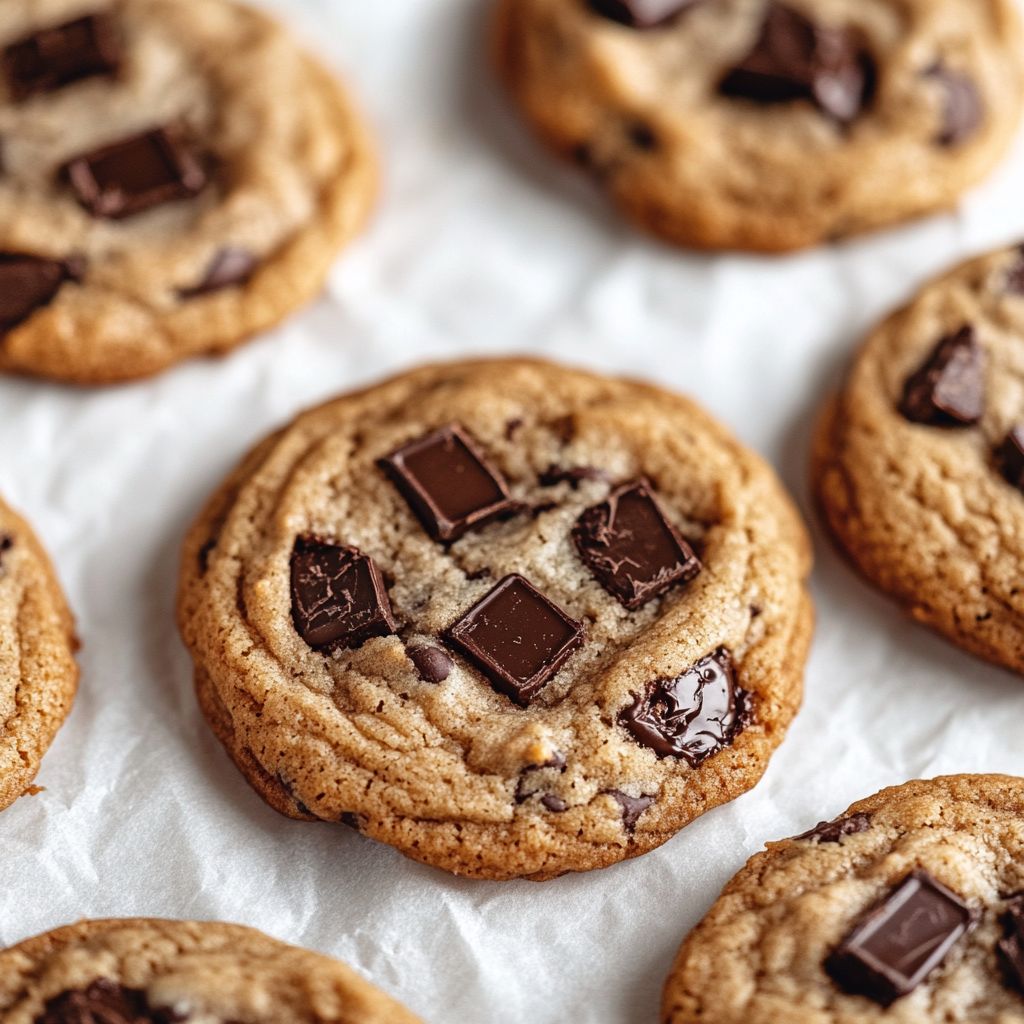
Welcome to the ultimate guide for creating the perfect soft and chewy cookies—your ticket to cookie nirvana! Imagine taking a bite into a warm, freshly-baked cookie, the softness giving way to a delightful chewiness that makes you want to reach for just one more. Whether you’re a beginner in the kitchen or a seasoned baker, understanding the secrets behind these delectable treats will elevate your baking game and delight your taste buds to no end. From family gatherings to cozy evenings spent by the fireplace, soft and chewy cookies are a universally loved dessert that transcends age and occasion.
Before we dive into the heavenly world of soft and chewy cookie secrets, let’s take a moment to explore what truly makes a cookie soft and chewy. It all resides in the intricate balance of ingredients, the techniques employed, and the little nuances that can make or break your batch. We will be exploring factors like the choice of flour, the type of sweeteners you use, the all-important butter, and even the way you mix your dough. Beyond just ingredients and methods, we’ll also touch on how to troubleshoot potential pitfalls that could lead to flat or hard cookies. So get ready to roll up your sleeves and prepare yourself for cookie success!
The journey to crafting soft and chewy cookies begins with understanding the essential components. Flour is the backbone of any cookie recipe; however, the type you choose can greatly influence the texture. Flours with lower protein content yield softer cookies, while those with higher protein create a chewier texture. All-purpose flour is a common go-to for cookie lovers, but experimenting with cake flour can lead to astonishingly fluffy results. Additionally, the technique used to measure your flour can play a crucial role. Always spoon and level your flour rather than scooping directly from the bag to avoid overpacking, which can lead to dryness and unwanted texture.
Next on our ingredient list is the butter, which not only lends flavor but also shapes the desired texture. Using room-temperature butter is key to achieving that soft and chewy consistency. It helps to cream the butter with sugars, creating air pockets that provide a lightness to your cookies. For a unique twist, consider browning your butter; this step adds a rich, nutty depth of flavor that is irresistible. Just remember, the method of creaming your butter and sugar together can also impact the cookie’s overall structure. Too much mixing can lead to denser cookies, while too little can yield a cake-like result.
Speaking of sweeteners, the choice between granulated sugar, brown sugar, or even honey can drastically alter your cookie’s final outcome. Brown sugar, with its molasses content, contributes moisture and a rich caramel flavor, resulting in a soft texture. A combination of both granulated and brown sugars can provide a harmonious balance, adding sweetness as well as depth. For those looking to create indulgent variations, consider adding chocolate chips, nuts, or dried fruits—each addition brings a unique flair and contributes to the overall chewiness.
As we explore techniques, let’s not overlook the importance of chilling your dough. This step is often underestimated yet plays a critical role in the final product. Chilling allows the flour to hydrate and the flavors to meld, promoting a firmer dough that holds its shape during baking. As a result, the cookies may spread less, resulting in thick, chewy centers. If you’re pressed for time, even a brief chill of 30 minutes can still make a difference. For the more patient bakers, letting the dough rest overnight can amplify the flavors and textures to new heights.
The baking process itself is where the magic truly happens. Preheating your oven is a vital step; a hot oven ensures that the cookies bake evenly and achieve that perfect golden-brown exterior. Remember to keep an eye on your cookies as they bake. It’s critical to remove them from the oven when they are just set and still slightly undercooked in the centers. They will continue to cook on the baking sheet even after pulling them out, creating that elusive soft and chewy texture that we’re all after.
But wait—there’s more to explore! Let’s not forget the importance of cooling. Placing cookies on a wire rack instead of a solid surface ensures that they breathe and maintain their texture. Leaving cookies on a warm tray for too long can lead to further baking, which may compromise their ideal chewiness. The subtle art of cooling can be the final touch that turns a good cookie into a great one.
If you ever find yourself with leftover dough, don’t despair. Frozen cookie dough is a game-changer! Portioning out your dough and freezing it means you have cookie goodness ready at a moment’s notice. Simply bake straight from the freezer, adding a minute or two to your baking time, and you’ll have warm cookies to satisfy any craving. This method not only adds convenience but also allows you to enjoy fresh cookies whenever the mood strikes.
Now, let’s talk about variations. Why settle for the classic chocolate chip when you can explore a myriad of flavors? Experimenting with spices like cinnamon or nutmeg can bring a seasonal twist to your beloved dessert. Think pumpkin spice cookies in the fall or a refreshing lemon zest for a summer treat. Additionally, specialty extracts, such as almond or orange, can turn a basic dough into a gourmet delight. The options are as limitless as your imagination!
As we wrap up this guide, remember that baking is not just a precise science—it’s an art form. Each batch you make is an opportunity to learn and experiment, to refine your skills and uncover the complexities of cookie creation. Embrace the process, savor the aroma filling your kitchen, and bask in the pleasure of sharing your delectable treats with those you love. The world of soft and chewy cookies is waiting for you to take the plunge, so gather your ingredients and get ready to create cookie magic!
In summary, the secrets to achieving the ultimate soft and chewy cookies lie not only in the ingredients you select but also in the techniques you employ and the passion you bring to the process. So, as you embark on this delightful baking journey, keep the tips, tricks, and ideas in mind and prepare to impress your friends, family, and maybe even yourself. Happy baking!
Ingredients
- 1 cup unsalted butter softened
- 1 cup brown sugar packed
- 1/2 cup granulated sugar
- 2 large eggs room temperature
- 2 tsp vanilla extract
- 3 cups all-purpose flour
- 1 tsp baking soda
- 1 tsp baking powder
- 1/2 tsp salt
- 2 cups chocolate chips semisweet or milk chocolate
- 1 cup chopped nuts optional
Instructions
- Preheat your oven to 350°F (175°C) and line a baking sheet with parchment paper.
- In a large mixing bowl, cream together the softened unsalted butter, brown sugar, and granulated sugar until the mixture is light and fluffy.
- Add the room temperature eggs, one at a time, mixing well after each addition, then stir in the vanilla extract until thoroughly combined.
- In a separate bowl, whisk together the all-purpose flour, baking soda, baking powder, and salt.
- Gradually add the dry ingredients to the wet ingredients, mixing until just combined. Be careful not to overmix.
- Fold in the chocolate chips and, if using, the chopped nuts until evenly distributed throughout the dough.
- Using a cookie scoop or tablespoon, drop rounded balls of dough onto the prepared baking sheet, leaving space between each cookie to allow for spreading.
- Bake for 10-12 minutes or until the edges are golden brown but the centers are still soft.
- Remove from the oven and allow the cookies to cool on the baking sheet for 5 minutes before transferring them to a wire rack to cool completely.
Notes
These soft & chewy cookies are a delightful treat that combines the rich flavors of brown sugar and chocolate for a truly indulgent experience. To achieve that perfect chewy texture, be sure not to overbake the cookies; they should be slightly underbaked when you take them out of the oven, as they will continue to firm up on the baking sheet. You can personalize these cookies by adding your favorite nuts, such as walnuts or pecans, for added crunch. For an enhanced flavor, consider adding a pinch of cinnamon or a sprinkle of sea salt on top before baking. Store any leftovers in an airtight container to maintain their softness, or freeze them for up to three months for a sweet treat anytime. Enjoy these cookies warm from the oven with a glass of milk for the ultimate comfort food experience!
Faq
What makes a cookie soft and chewy?
A cookie’s texture is influenced by the ratio of ingredients such as flour, sugar, and fat. To achieve a soft and chewy texture, it’s important to use more brown sugar than white sugar and to slightly under-bake the cookies.
Can I use different types of flour for soft and chewy cookies?
Yes, using all-purpose flour generally yields the best results, but you can experiment with whole wheat or gluten-free flour. Just keep in mind that it may alter the texture slightly.
What role does butter play in cookie texture?
Butter adds richness and moisture to cookies. Using room temperature butter makes cookies spread slightly, contributing to a chewy texture. For even softer cookies, consider using half butter and half shortening.
How do I prevent my cookies from becoming too hard?
To prevent cookies from hardening, avoid over-baking them and consider adding a tablespoon of corn syrup or an extra egg yolk to create more moisture.
What is the ideal baking time for soft and chewy cookies?
Typically, soft and chewy cookies should be baked for 8-12 minutes at 350°F (175°C). They should appear slightly undercooked when removed from the oven, as they will continue to firm up while cooling.
Can I freeze soft and chewy cookie dough?
Absolutely! Cookie dough can be frozen for up to three months. Just scoop the dough into balls, place them on a baking sheet to freeze, then transfer to a zip-top bag for longer storage.
Are there any tips for adding mix-ins to soft and chewy cookies?
When adding mix-ins like chocolate chips or nuts, make sure to do so after mixing in the flour to prevent them from sinking. Also, chill the dough for at least 30 minutes before baking for better texture.
How should I store soft and chewy cookies to keep them fresh?
Store cookies in an airtight container at room temperature. To keep them soft, you can add a slice of bread to the container; the cookies will absorb moisture from the bread.