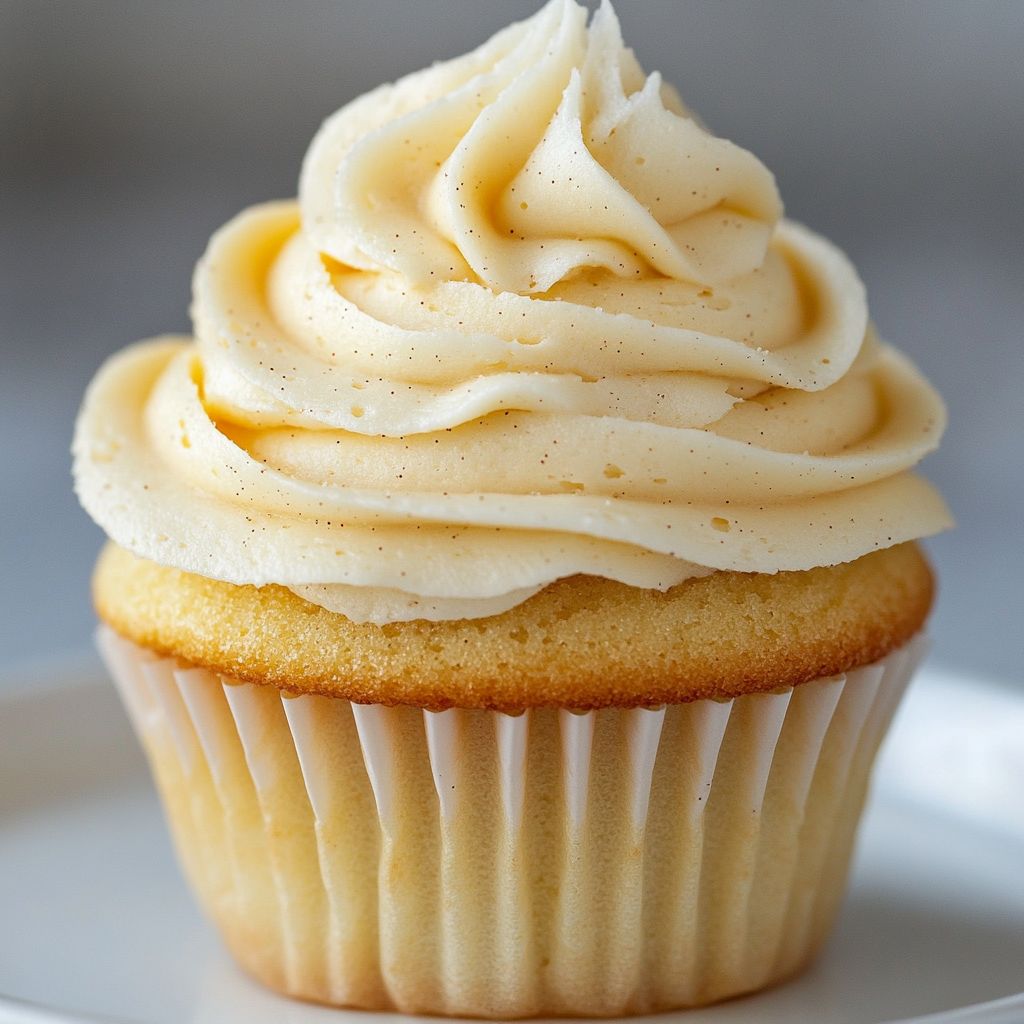
There’s a certain magic that happens in the kitchen when the sweet aroma of freshly made buttercream fills the air. It’s an enchanting moment, one where simplicity meets artistry, and where every layer of cake tells a story of celebration and joy. Perfect buttercream is not merely a frosting; it’s a canvas for your culinary creativity and an invitation to elevate any dessert into a work of art. Whether you’re preparing for a birthday party, a wedding, or just a special family gathering, mastering the art of buttercream can unlock a world of delicious possibilities.
If you’ve ever stood in the kitchen watching your cake layer come to life, only to feel the sinking sensation of anxiety when it comes time to frost it, you’re not alone. Many have faced the challenge of achieving that smooth, rich, and creamy texture that makes buttercream a coveted topping for countless confections. From cupcakes to layer cakes, from cookies to cake pops, the perfect buttercream can turn even the most humble of baked goods into something truly spectacular. Imagine adorning your creation with a velvety finish that not only tastes amazing but also looks like it just stepped out of a bakery window.
The key to creating perfect buttercream every time lies in understanding the fundamental ingredients and techniques involved. At its core, buttercream is a mixture of fat and sugar, balanced to create that ideal consistency that holds its shape while also spreading beautifully. Yet, there’s so much more to it than just mixing butter and sugar. The temperature of your ingredients, the type of sugar you use, and even how long you mix can dramatically influence the outcome. It’s a delicate dance, one that combines science and art, and the results are a delightful symphony of flavors and textures.
Imagine your excitement as the whipped butter transforms, slowly turning into a light and airy bliss that holds promise for every sweet bite to come. As you add in powdered sugar, the joy of watching it come together, gradually forming a dreamy consistency, will turn into eager anticipation. And let’s not forget the additions of flavors—whether it’s a hint of vanilla that creates a classic taste, a burst of citrus for a refreshing twist, or rich chocolate for the ultimate indulgence. The possibilities are endless, and every choice puts a sprinkle of your personality into the frosting.
To achieve the coveted status of “perfect buttercream,” it’s essential to gauge the ratios accurately and leverage the right tools. A high-quality stand mixer or hand mixer can make a world of difference, allowing you to whip the butter to the perfect lightness without breaking a sweat. But it’s not just about the tools; it’s a tactile experience too. Feeling the texture change as air is incorporated, and watching the color brighten is what makes baking feel so rewarding. Along the way, temperature control becomes paramount; your butter must be at just the right softness—not too hard and not too melted—for that ephemeral fluffiness we all crave.
You may wonder about different variations of buttercream. There’s Swiss meringue buttercream, Italian buttercream, and American buttercream, each with their unique characteristics and flavor profiles. If you’re feeling adventurous, why not explore these styles? The elegance of Swiss meringue gives it a beautiful sheen and a silky texture; Italian buttercream adds a level of complexity thanks to its use of hot sugar syrup, resulting in a flavor that can’t be rivaled. American buttercream, known for its simplicity, is sweet and straightforward, making it a popular choice among many bakers.
However, a perfect buttercream is not just about the right proportions and techniques—it’s about the love you infuse into each swirl. Every time you lift the spatula, think of the smile it will bring to someone as they take a bite. Remember that cooking is as much about the journey as it is about the destination. Each batch of buttercream you create will be a learning experience, refining your skills and building your confidence in the kitchen.
And let’s be honest—frosting is fun! The freedom to create can be incredibly liberating, from crafting beautiful roses to adding fun sprinkles or edible glitter, which can turn an ordinary dessert into a festive centerpiece. Entertaining guests, baking with a friend, or spending quality time with family in the kitchen—these moments become priceless memories, cemented by the aromas and flavors you create together.
Storage is another crucial aspect to consider while preparing your buttercream. Understanding how to properly store your buttercream can prolong its life and preserve its delightful texture. Whether you plan on using it immediately or saving it for later, knowing the right techniques will ensure you always have a ready supply for your baking adventures.
As you dive deeper into the world of buttercream, consider exploring new flavor combinations and textures. Infusing your buttercream with seasonal ingredients—like fresh fruits, herbs, or spices—can lead to thrilling discoveries that surprise and delight your taste buds. Pairing tangy lemon with creamy butter to create a zesty buttercream or folding in crushed cookies to add crunch and depth can break the monotony and bring innovation to your frosting game.
Perfecting your buttercream is a remarkable act of patience and practice. Each time you make it, you’ll find that the outcome varies slightly, and that’s a part of the beauty of baking! It’s about finding what works best for you and adapting along the way. That slight sweetness that comes from your unique touch, the spontaneous experiment gone right, or even the moments where you learn from what didn’t go as planned—all are integral to developing your signature buttercream recipe.
So whether you’re a novice baker eager to learn, an experienced cake decorator looking to elevate your skills, or simply someone who loves to indulge in sweet creations, the journey to mastering the perfect buttercream is a rewarding one. This delightful frosting can enhance your cakes, cupcakes, and treats, unleashing your creative spirit. Let’s dive in and uncover the secrets behind making perfect buttercream every time, transforming your sweet treats into visually stunning and delectable masterpieces that will leave everyone craving more. The world of buttercream awaits!
Ingredients
- 1 cup unsalted butter softened
- 4 cups powdered sugar sifted
- 1/4 cup heavy cream
- 1 tsp pure vanilla extract
- 1/4 tsp salt
Instructions
- In a large mixing bowl, use an electric mixer to beat the softened unsalted butter on medium speed until it is creamy and smooth, about 2-3 minutes.
- Gradually add the sifted powdered sugar, one cup at a time, mixing on low speed to prevent the sugar from flying out of the bowl.
- Once all the powdered sugar has been incorporated, increase the speed to medium and add the heavy cream, pure vanilla extract, and salt.
- Continue to beat the mixture on medium-high speed for 3-5 minutes until the buttercream is light, fluffy, and well combined.
- If the buttercream is too thick, add an extra tablespoon of heavy cream to reach your desired consistency, mixing well to combine.
- If it’s too thin, add a little more powdered sugar until the desired thickness is achieved.
- Once ready, use immediately to frost cakes, cupcakes, or store in an airtight container in the refrigerator for up to a week.
Notes
This Perfect Buttercream Every Time recipe yields a creamy and smooth frosting that’s perfect for cakes, cupcakes, and other desserts. Start by ensuring your butter is at room temperature to guarantee a well-emulsified mixture. Sifting the powdered sugar is crucial, as it removes any lumps and results in a silky texture. For best results, use pure vanilla extract for an authentic flavor. You can adjust the consistency of the buttercream to your liking by adding more or less heavy cream; for a fluffier texture, you might want to add a bit more cream. Remember to taste as you go, and feel free to experiment by incorporating different extracts (like almond or coconut) or adding food coloring for a fun twist. This buttercream can be stored in an airtight container in the refrigerator for up to a week, and it can also be frozen for longer storage. When you’re ready to use it, simply let it come to room temperature and re-whip it for the best consistency.
Faq
What ingredients do I need for the perfect buttercream?
To make perfect buttercream, you will need unsalted butter, powdered sugar, heavy cream (or milk), and vanilla extract. Optionally, you can add cocoa powder for chocolate buttercream or other flavorings as desired.
How do I achieve the right consistency for buttercream?
Start with softened butter and beat it until creamy. Gradually add powdered sugar while mixing and include small amounts of heavy cream or milk to reach your desired consistency. If it’s too thick, add a bit more cream; if it’s too thin, add more powdered sugar.
Can I make buttercream ahead of time?
Yes, you can make buttercream ahead of time. Store it in an airtight container in the refrigerator for up to a week. When ready to use, allow it to come to room temperature and re-whip it for a smooth consistency.
How do I prevent my buttercream from being too sweet?
If your buttercream is too sweet, you can balance the flavor by adding a pinch of salt. Additionally, using less powdered sugar or incorporating cream cheese can help reduce sweetness while still achieving a smooth texture.
What types of flavorings can I add to buttercream?
You can add various flavorings to buttercream, including extracts like almond, lemon, or coconut, as well as cocoa powder for chocolate buttercream, or even fruit purees for a fruity flavor. Just be mindful of the liquid content when adding extra ingredients.
Can buttercream be colored for decoration?
Absolutely! You can use gel food coloring or liquid food coloring to tint your buttercream. Start with a small amount and gradually add more until you achieve your desired shade.
Is there a dairy-free alternative for buttercream?
Yes, you can make a dairy-free buttercream using vegan butter or shortening instead of regular butter. Substitute heavy cream with a non-dairy milk, and follow the same mixing instructions for a delicious dairy-free version.
How can I fix a grainy buttercream?
If your buttercream turns out grainy, it’s often due to powdered sugar that hasn’t been fully incorporated. Beat the mixture longer, or add a bit more liquid (cream or milk) to help smooth it out. If it’s still grainy, try sifting the powdered sugar before adding it.