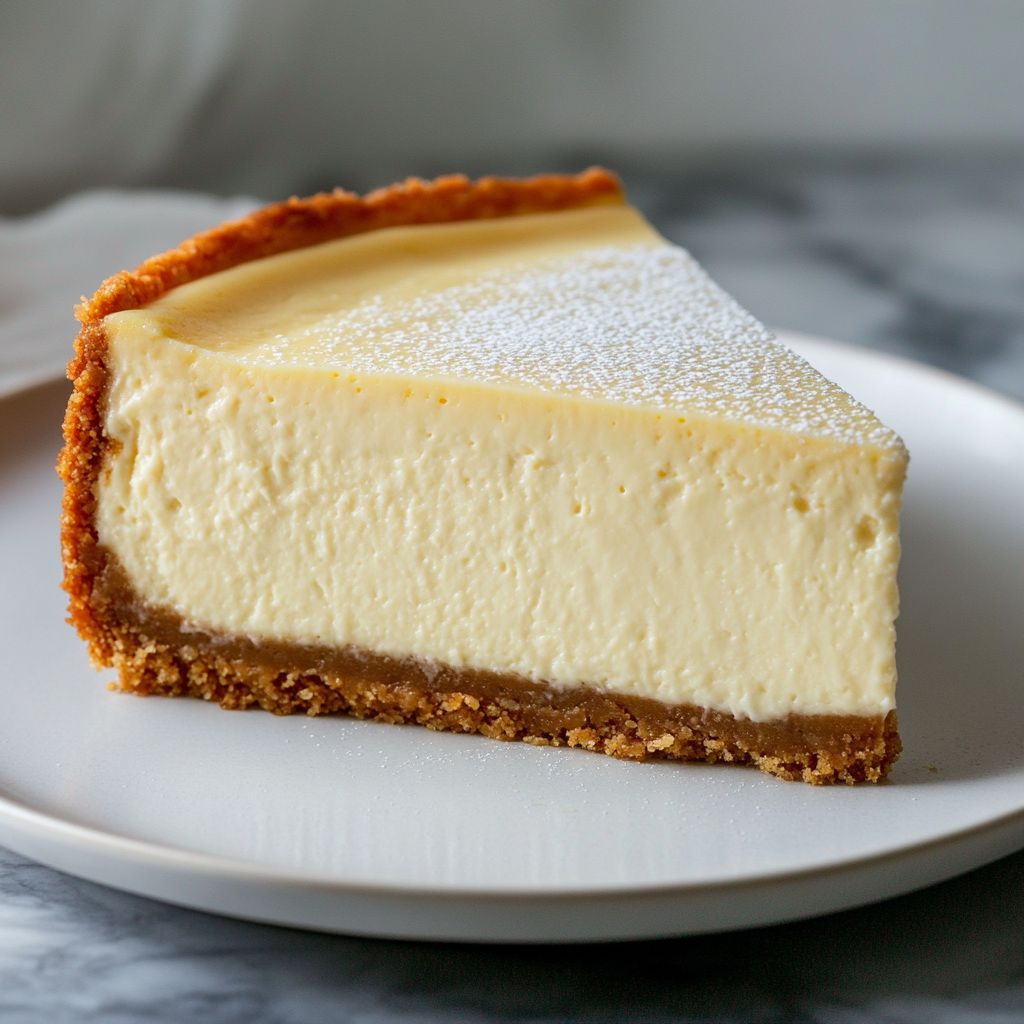
Imagine biting into a luscious slice of cheesecake, the creamy texture melting on your tongue, the rich flavor enveloping your senses – but what if I told you that the visual appeal of that dessert could be equally tantalizing? Unfortunately, one of the most frustrating culinary mishaps that often plagues even the most experienced bakers is the dreaded cracked cheesecake. Those unsightly fissures can be disheartening, casting a shadow over an otherwise perfect dessert. However, fear not! This guide is here to help you master the art of cheesecake making while ensuring your dessert emerges from the oven smooth and flawless.
Cheesecake, with its origins tracing back to ancient Greece, has evolved into a beloved dessert worldwide. Whether you favor the classic New York style, the fluffy Japanese version, or a trendy no-bake cheesecake, the joy of indulging in a perfectly crafted cheesecake transcends cultures and cuisines. However, while its creamy interior delights our palates, the appearance significantly impacts our overall experience. A beautiful cheesecake is not just about taste; it also speaks to the care and technique that went into its creation. A cracked surface can detract from the anticipation of serving this sweet delight. That’s why learning how to prevent cracks is essential for any budding pastry chef.
The texture and consistency of a cheesecake largely depend on the balance of ingredients, the mixing technique, and baking methods. The secret to a perfect cheesecake lies not only in selecting the right ingredients but also in understanding how to treat those ingredients properly throughout the preparation process. The creation of a cheesecake begins long before the batter even makes it into the oven. From room temperature eggs to the correct handling of the cream cheese, every step matters immensely. When these small details are overlooked, it can lead to uneven baking, resulting in cracks.
One of the most critical aspects of making a cheesecake is understanding the concept of temperature. Low and slow is the rule of thumb when it comes to baking this delicate treat. Rapid temperature changes can cause the cheesecake to expand and contract, leading to cracks across its surface. Therefore, mastering the control of the oven temperature, and incorporating techniques like using a water bath, can make a significant difference in baking outcomes. If you’ve struggled with cracks in your cheesecakes before, you’re not alone! This guide is crammed with tips and tricks that can elevate your baking skills and ensure that you achieve that beautifully smooth top that makes everyone ooh and ahh.
In addition to temperature control, let’s not forget the essentials of the proper mixing technique. Over-mixing the batter can introduce air into the mixture, which may cause the cheesecake to puff up during baking and then collapse, leaving cracks in its wake. Understand the dynamics of your ingredients and invest time in achieving the right mixing consistency. Knowing when to stop mixing can be a game changer, preventing cracks and giving your cheesecake that perfect density you desire.
Another area often overlooked is the choice of pan and using parchment liners appropriately. A properly greased or lined pan helps ensure that the cheesecake releases smoothly, which can help prevent cracks caused by sticking to the sides. Moreover, utilizing a springform pan not only aids in presentation but also assists in even baking, which is invaluable in preventing cracks.
It’s also extremely beneficial to understand the signs of doneness. Unlike cookies or bread, which you can test with a toothpick or knife, cheesecakes require a different approach. The center should be slightly jiggly, similar to a custard, while the edges appear set. Once you understand this characteristic, you can better gauge when to take the cheesecake out of the oven and when to let it cool gradually, both critical phases in achieving a crack-free masterpiece.
As we delve deeper into how to prevent cracked cheesecakes, it’s essential to address the cooling process. It’s tempting to plop your cheesecake in the fridge as soon as it comes out of the oven, but this can lead to drastic temperature shifts and cracks. Allow your cheesecake to cool gradually on the counter before transferring it to the fridge. This patience pays off with a better overall appearance and texture. Additionally, covering your cheesecake during refrigeration can prevent surface drying, which can also contribute to cracks.
The art of dessert making is a blend of science and creativity. Each element is interconnected, and understanding these connections will help you navigate through not just cheesecakes but all baking. With the right techniques to prevent cracks, you will be able to focus on unleashing your creativity, whether you want to garnish your cheesecake with fresh berries, drizzling chocolate sauce, or even experimenting with flavors like lemon, pumpkin, or mocha. Cheesecake is a canvas for flavor and presentation, and achieving a flawless surface is the first step in allowing your unique style to shine through.
Let’s also touch on the importance of patience and practice. Every great chef has faced challenges; it’s how you approach them that shapes your skills. Don’t get discouraged by a few setbacks—each cheesecake provides an opportunity for you to learn and refine your technique. As you gain experience, you will find what works best for you and develop your signature style while mastering the secrets of perfecting cheesecake.
This comprehensive guide will walk you through the techniques, tips, and methods to ensure that every cheesecake you make emerges unscathed from the oven. By working through the processes step by step, with mindful attentiveness to each detail, you will transform into a cheesecake pro. Bid farewell to cracks and murky surfaces, and embrace the gleaming, glossy beauty that comes with mastering your skills.
Are you ready to embark on this delicious journey? Your future cheesecakes are waiting, and they’re going to be stunning. With a touch of patience, some tried-and-true methods, and a sprinkle of creativity, you’ll be serving up cheesecakes that not only taste divine but also look the part. Let’s dive into the specifics of how to keep those cheesecakes smooth and delectable, one slice at a time!
Ingredients
- Cheesecake Filling
- 4 packages (8 oz each) cream cheese softened
- 1 cup granulated sugar
- 1 tsp vanilla extract pure
- 4 large eggs room temperature
- 1/2 cup sour cream
- 1/4 cup heavy cream
- Crust
- 1 1/2 cups graham cracker crumbs
- 1/2 cup unsalted butter melted
- 1/4 cup granulated sugar
- Optional Toppings
- Fresh fruit or fruit compote
- Whipped cream
- Chocolate shavings
- Caramel sauce
Instructions
- Preheat your oven to 325°F (163°C) and prepare a 9-inch springform pan by wrapping the bottom with aluminum foil to prevent water from seeping in.
- In a mixing bowl, combine the graham cracker crumbs, melted unsalted butter, and granulated sugar. Stir until the mixture resembles wet sand.
- Press the crumb mixture firmly into the bottom of the prepared springform pan to form an even crust layer.
- Bake the crust for about 10 minutes, then remove it from the oven and allow it to cool while preparing the filling.
- In a large mixing bowl, beat the softened cream cheese with an electric mixer on medium speed until smooth and creamy.
- Add the granulated sugar and vanilla extract to the cream cheese, mixing until well combined.
- Incorporate the eggs, one at a time, ensuring each one is fully mixed before adding the next, and scraping down the sides of the bowl as needed.
- Once eggs are fully blended, fold in the sour cream and heavy cream gently until just combined. Be careful not to overmix, as this can incorporate too much air, leading to cracks.
- Pour the cheesecake filling over the cooled crust, smoothing the top with a spatula.
- To prevent cracks, place the cheesecakes in a large roasting pan filled with hot water to create a water bath. This helps regulate the cooking temperature.
- Bake the cheesecake in the preheated oven for 50-60 minutes, or until the edges are set but the center still slightly jiggles when shaken.
- Turn off the oven and crack the oven door open, allowing the cheesecake to cool in the oven for 1 hour. This gradual cooling helps reduce the risk of cracking.
- Remove the cheesecake from the water bath and refrigerate for at least 4 hours, or preferably overnight, before removing it from the springform pan.
- Before serving, top with fresh fruit, whipped cream, chocolate shavings, or caramel sauce, if desired.
Notes
To achieve a perfectly smooth cheesecake without cracks, it’s essential to incorporate a few key techniques during preparation and baking. First, ensure all your ingredients, particularly the cream cheese and eggs, are at room temperature. This helps to create a smooth batter that is less likely to bubble during baking.
When mixing your cheesecake filling, blend the cream cheese and sugar until well combined and creamy, before adding the eggs one at a time. This gradual incorporation helps maintain the air in the batter, leading to a fluffier texture. Avoid overmixing once the eggs are added to prevent excess air from forming.
When pouring the filling into the crust, gently tap the pan on the counter to release any air bubbles that may have developed. Consider using a water bath during baking: wrap the outside of your springform pan with foil to prevent water from seeping in, and place it in a larger pan filled with water. This helps regulate the temperature and creates steam, which keeps the cheesecake moist and prevents the top from drying out and cracking.
Once baked, turn off the oven and crack the door open slightly, allowing the cheesecake to cool gradually. This step prevents sudden temperature changes which can cause cracks. After about an hour, move the cheesecake to the refrigerator to chill completely for several hours or overnight.
For serving, consider garnishing with fresh fruit, whipped cream, or a drizzle of caramel sauce for added flavor and presentation. Remember, if opted toppings, like chocolate shavings or fruit compote, should be added just before serving to keep the crust intact. Follow these guidelines for a delicious, visually appealing cheesecake that will impress your guests!
Faq
What are the main causes of cracked cheesecakes?
Cracked cheesecakes can be caused by several factors, including overmixing the batter, baking at too high a temperature, and sudden temperature changes. Additionally, insufficient cooling time can also contribute to cracks.
How can I avoid overmixing the cheesecake batter?
To avoid overmixing, mix the cream cheese until smooth before adding other ingredients. Once you combine the eggs and other elements, mix just until incorporated. Using medium speed on your mixer helps minimize overmixing.
Is it important to use room temperature ingredients?
Yes, using room temperature ingredients helps ensure a smooth and homogenous batter. Cold ingredients can lead to lumps and, ultimately, cracks in your cheesecake as it bakes.
What temperature should I bake my cheesecake?
Cheesecakes should generally be baked at a low temperature, around 325°F (160°C). This slow cooking method helps prevent cracks by allowing even cooking throughout the cheesecake.
How can a water bath prevent cracks?
A water bath, or bain-marie, provides gentle and even heat to the cheesecake while baking. It helps maintain moisture in the oven, which can reduce the likelihood of cracks forming on the surface.
What should I do if my cheesecake starts to crack while baking?
If you notice cracks forming while baking, don’t panic. You can reduce the temperature of the oven slightly and cover the top with aluminum foil to retain moisture. This may help minimize the appearance of the cracks.
How long should I cool the cheesecake?
After baking, allow the cheesecake to cool in the oven with the door slightly ajar for at least an hour. This gradual cooling helps prevent sudden temperature changes that can lead to cracks.
Can toppings hide cracks in a cheesecake?
Yes, popular toppings like fruit, whipped cream, or chocolate ganache can help disguise any cracks. Just ensure the cheesecake is properly cooled and set before adding any toppings for the best presentation.